
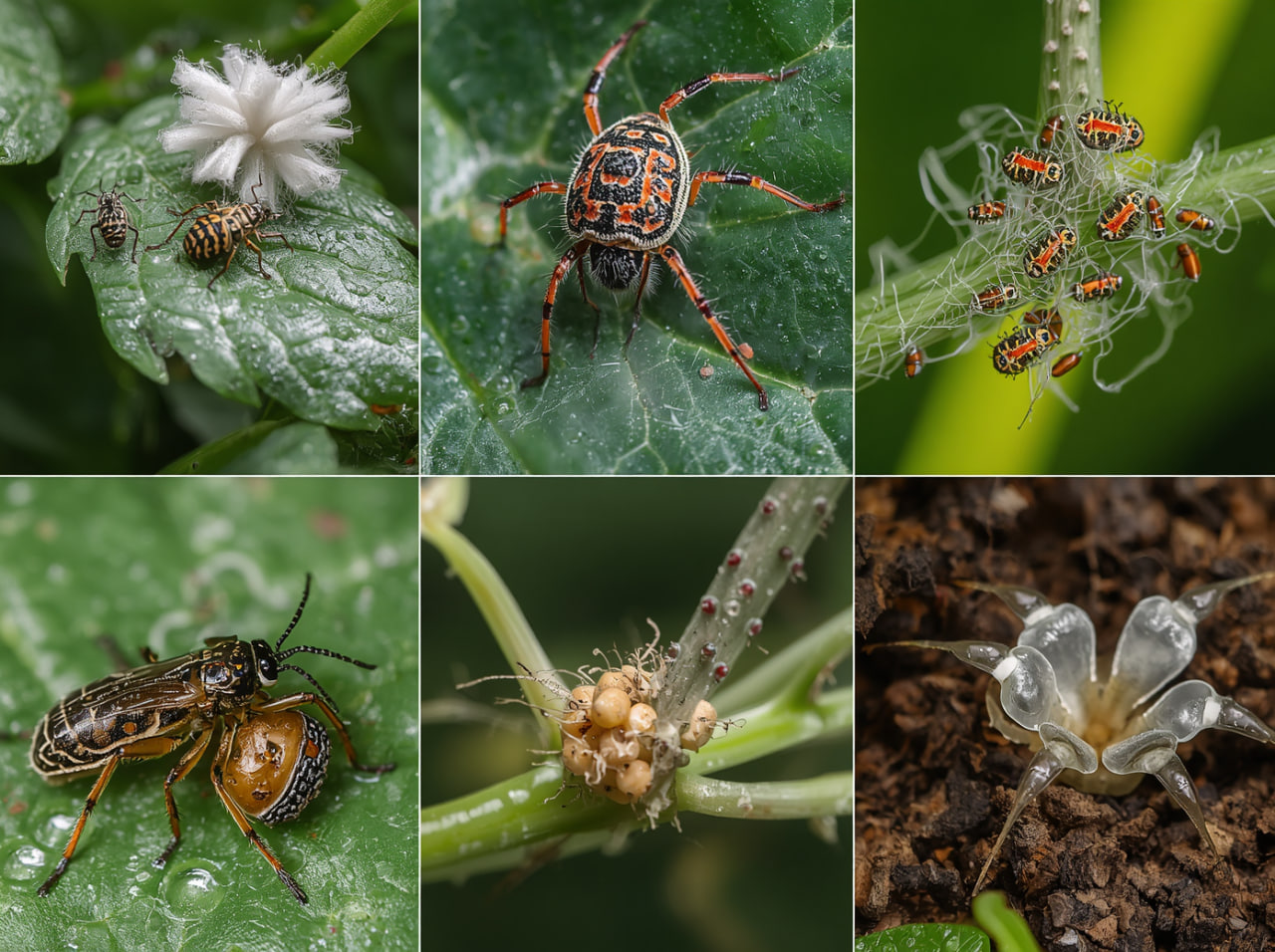
Discovering that your beloved houseplants have become home to insects is one of the most frustrating experiences in plant care. Pests can appear seemingly overnight, spread rapidly through a plant collection, and cause significant damage before they are noticed. But with correct identification and prompt, targeted treatment, virtually every common houseplant pest can be eliminated without resorting to harsh chemical pesticides.
The key is early detection. Inspect your plants weekly as part of routine care, checking both the top and undersides of leaves, the stems, and the soil surface. An infestation caught early is vastly easier to treat than one that has established itself throughout the plant and spread to neighbors.
Preventive Practices: Keep Pests Away
Prevention is dramatically more effective than treatment. These practices significantly reduce the risk of pest infestation in any plant collection.
- Quarantine all new plants for two to four weeks before placing them near existing plants
- Inspect new plants thoroughly before purchase, particularly checking leaf undersides and stem joints
- Maintain healthy growing conditions; stressed plants are far more vulnerable to pest attack
- Remove dead and dying leaves promptly; decaying plant material attracts certain pests
- Avoid overwatering; wet soil attracts fungus gnats and promotes conditions favorable to other pests
- Clean leaves occasionally with a damp cloth; dust buildup reduces plant health and can harbor mites
The Complete Pest Identification and Treatment Guide
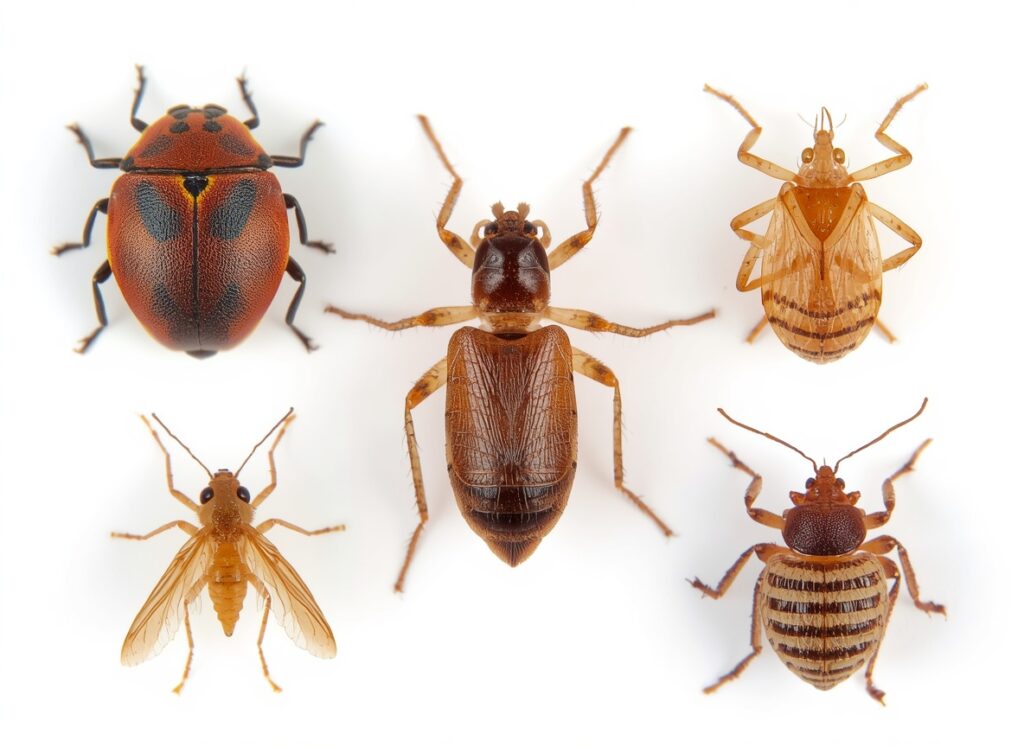
1. Mealybugs — The White Cottony Pest
Mealybugs are among the most common and most frustrating houseplant pests. They appear as small, white, cottony masses in the joints between leaves and stems, along stems, and sometimes on root systems. They are sap-sucking insects that weaken plants, excrete sticky honeydew that promotes sooty mold, and can kill heavily infested plants.
Identification:
- White, cottony, waxy masses in stem joints and leaf axils
- Sticky honeydew residue on nearby surfaces
- Ants on the plant (which farm mealybugs for their honeydew)
Treatment:
- Light infestation: remove individual mealybugs with a cotton swab dipped in 70 percent isopropyl alcohol
- Moderate infestation: spray thoroughly with insecticidal soap solution (two teaspoons per liter), reaching all stem joints and leaf undersides; repeat every seven days for four to six weeks
- Severe infestation: treat with neem oil spray (two teaspoons neem oil, half teaspoon dish soap, one liter water); alternatively use a systemic insecticide
- Root mealybugs: remove plant from pot, wash roots thoroughly under running water, discard the old soil, repot in fresh mix, treat the plant with systemic insecticide
2. Fungus Gnats — The Tiny Flying Pests
Fungus gnats are small, dark flies that hover around the soil surface and fly up in clouds when the pot is disturbed. The adults are merely annoying; it is their larvae in the soil that cause actual damage by feeding on root hairs and organic matter, potentially causing plant decline in heavy infestations.
Identification:
- Small, dark flies resembling tiny mosquitoes around the plant and soil surface
- Larvae are tiny, white, thread-like worms in the top inch of soil
- More common in plants that are overwatered or in very moist, peat-heavy soil
Treatment:
- Allow the top two inches of soil to dry completely between waterings; larvae cannot survive without consistently moist soil
- Apply a layer of coarse sand or grit to the soil surface to create a dry barrier that deters egg-laying adults
- Use yellow sticky traps to capture adult flies and monitor population levels
- Apply beneficial nematodes (Steinernema feltiae) to the soil; these microscopic worms parasitize and kill fungus gnat larvae specifically
- Bottom-water plants for a period to keep the top soil surface dry
3. Spider Mites — The Nearly Invisible Destroyers
Spider mites are tiny (less than one millimeter), and difficult to see with the naked eye. They thrive in hot, dry conditions and can devastate a plant very rapidly. The first signs are usually fine webbing between leaves and stems combined with a characteristic stippled, bronze, or silvery discoloration of the leaf surface as the mites pierce cells and drain their contents.
Identification:
- Fine, silky webbing between leaves and at stem joints
- Stippled, bronze, or silvery appearance on leaf surfaces
- Tiny moving dots visible on leaf undersides with a magnifying glass
- Most common in hot, dry conditions; particularly in summer near heating vents
Treatment:
- Increase humidity immediately; spider mites struggle to reproduce in humid conditions
- Wash the plant thoroughly with a strong jet of water, targeting leaf undersides
- Apply insecticidal soap or neem oil solution every five to seven days for three to four weeks
- Predatory mites (Phytoseiulus persimilis) provide excellent biological control in enclosed spaces
4. Scale Insects — The Immobile Armor-Plated Pest
Scale insects are unusual pests because adult females are completely immobile, protected under a hard shell or waxy covering attached to stems and leaf undersides. They look more like small brown bumps or waxy discolorations than insects. They suck sap continuously, producing sticky honeydew and gradually weakening the plant.
Types:
- Soft scale: brown, oval bumps on stems and leaf midribs; produce copious honeydew
- Armored scale: flat, circular, dark discs; less honeydew; harder to kill due to protective shell
Treatment:
- Physically remove scales by scrubbing with a soft brush dipped in soapy water or alcohol
- Apply horticultural oil (which suffocates the insects under their shells) thoroughly to all stems
- Systemic insecticides are the most effective for severe infestations as the insects absorb them through feeding
- Treat weekly for at least six weeks to catch young crawlers as they emerge from beneath the dead shells
5. Aphids — The Rapidly Multiplying Colonies
Aphids are soft-bodied, pear-shaped insects that cluster on new shoots, flower buds, and leaf undersides, sucking sap and causing leaf curl, distorted growth, and sticky honeydew deposits. A single aphid can produce dozens of offspring without mating, and populations can explode from a few individuals to thousands within days in warm conditions.
Identification:
- Clusters of small, soft-bodied insects on new growth and flower buds
- Sticky honeydew on leaves and surfaces below the plant
- Distorted, curled new leaves
- Ants attending and protecting the aphid colony
Treatment:
- Remove small colonies by hand or with a strong blast of water
- Apply insecticidal soap spray every five days for three weeks
- Encourage natural predators: ladybirds, lacewings, and parasitic wasps
- Avoid excessive nitrogen fertilization which produces the soft, succulent new growth aphids prefer
6. Thrips — The Silvery Scarring Pests
Thrips are tiny, slender insects that rasp the surface of leaves and flowers to feed on cell contents, leaving characteristic silvery, streaked scarring on leaf surfaces. They also spread plant viruses. They are fast-moving and can be difficult to spot; look for the characteristic silver damage and check flowers, where they often shelter.
Treatment:
- Apply insecticidal soap or neem oil every five to seven days for four to six weeks
- Use blue sticky traps to monitor and capture adults
- Predatory mites (Amblyseius cucumeris) provide effective biological control
7. Vine Weevil — Root Destroyer
Vine weevil adults are dull black beetles that notch leaf edges in characteristic semicircular bites. The real damage is done by the creamy-white grubs in the soil, which eat roots and can kill plants. Signs of vine weevil grub attack include sudden plant wilting and collapse despite adequate moisture.
Treatment:
- Apply pathogenic nematodes (Steinernema kraussei) to moist soil in late summer and early autumn when soil temperatures are above 41 degrees Fahrenheit
- Repot affected plants, removing and destroying all grubs found in the root ball
- Use biological vine weevil nematode treatments annually as preventive maintenance
8. Whitefly — The Dust Cloud Pest
Whiteflies are small, white, winged insects that cloud up from plants when disturbed. They cluster on leaf undersides and are particularly common on indoor tomatoes, fuchsias, gardenias, and other soft-leaved plants. They suck sap, excrete honeydew, and can spread plant viruses.
Treatment:
- Apply insecticidal soap or pyrethrin spray every five to seven days, targeting leaf undersides where eggs are laid
- Yellow sticky traps catch large numbers of adults and help monitor population
- Introduce the parasitic wasp Encarsia formosa for biological control in greenhouses and conservatories
Natural and Organic Treatment Options
Neem Oil
Derived from the neem tree, neem oil disrupts insect hormonal systems, repels adults, prevents egg-hatching, and is effective against a wide range of pests including aphids, mites, mealybugs, scale, and whitefly. It is safe for humans, pets, and beneficial insects when used correctly. Mix two teaspoons neem oil with half a teaspoon of mild dish soap in one liter of water and spray thoroughly on all plant surfaces.
Insecticidal Soap
Kills soft-bodied insects on contact by disrupting their cell membranes. Effective against aphids, mites, mealybugs, thrips, and whitefly. Must make direct contact with the insect to work; it has no residual effect. Safe for most plants but can cause leaf burn in direct sun; apply in the evening.
Diatomaceous Earth
Fossilized algae powder that damages the exoskeletons of crawling insects, causing dehydration. Apply to the soil surface to control soil-dwelling pests and to stem surfaces to create a barrier against crawling insects.