
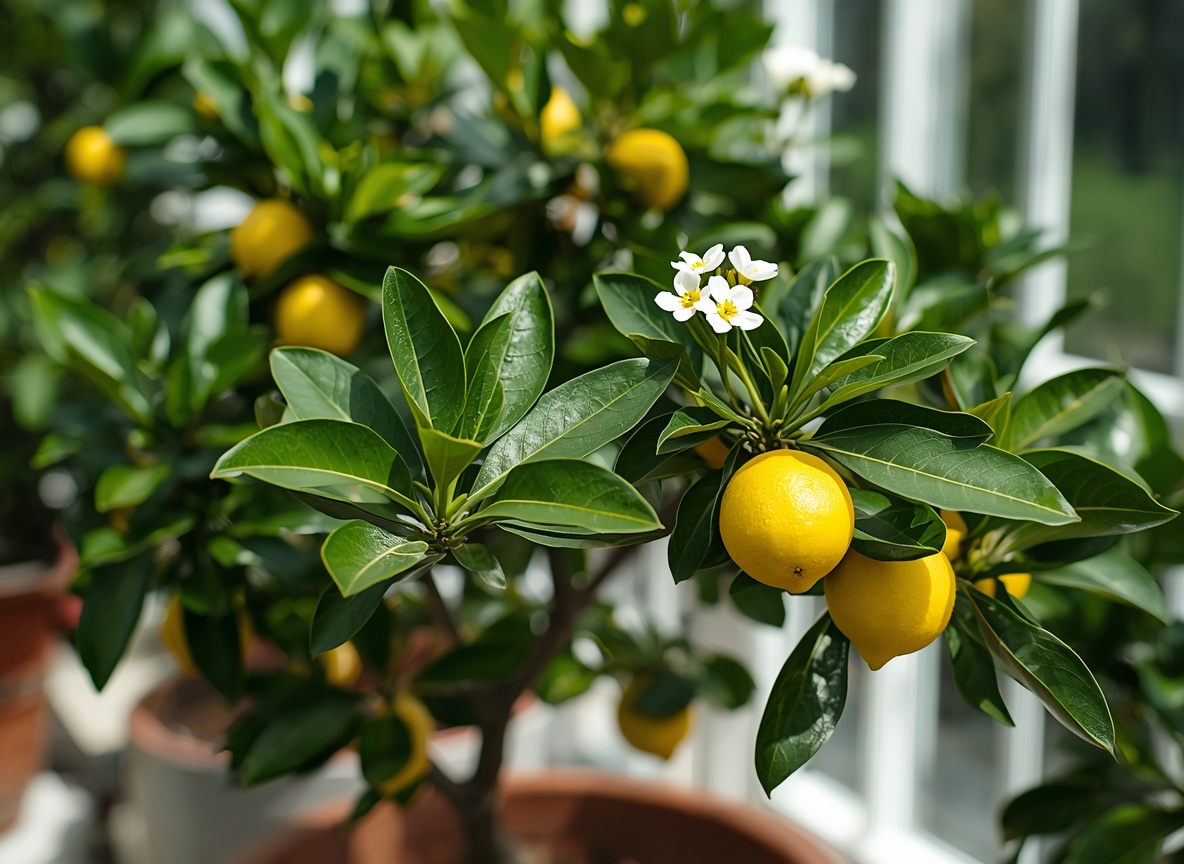
Growing a citrus tree indoors is one of the most rewarding plant projects available to a home gardener. The glossy, evergreen foliage is beautiful year-round; the fragrant white flowers fill a room with one of the most intoxicating scents in the plant kingdom; and the fruit — whether lemons, limes, kumquats, or miniature oranges — brings genuine practical value as well as visual delight.
Citrus trees are more adaptable to container growing than most people realize. With the right conditions, a dwarf Meyer lemon or Calamondin orange will produce fruit in a container on a sunny windowsill or in a conservatory, flowering and fruiting multiple times a year in good conditions.
Best Citrus Varieties for Indoor Container Growing
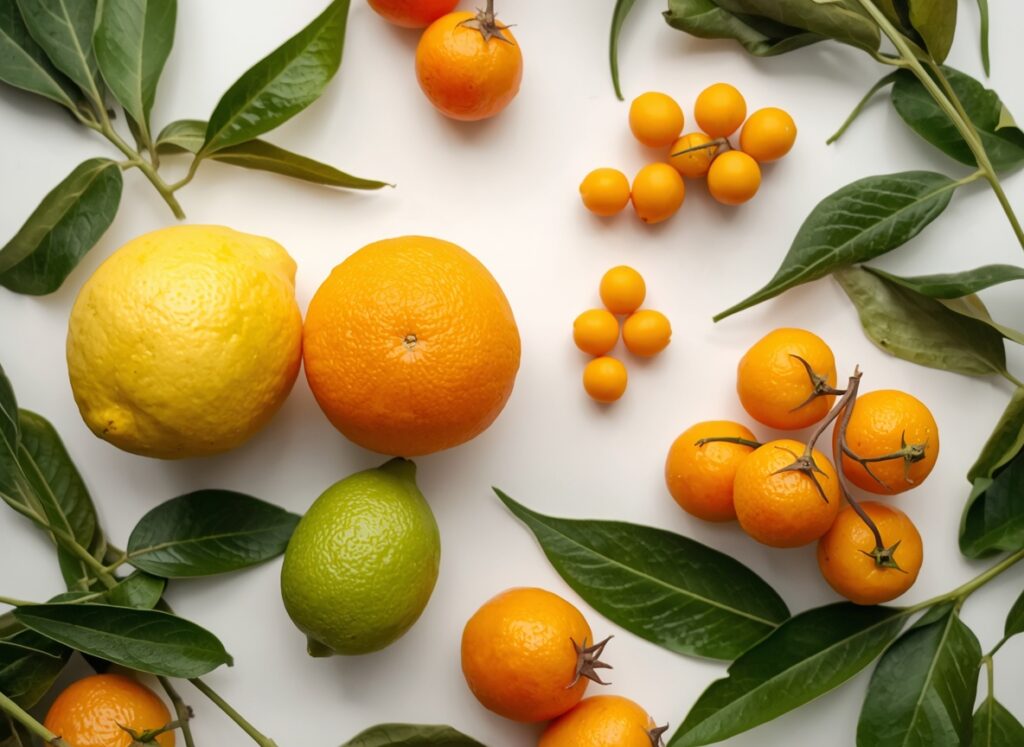
Meyer Lemon (Citrus x meyeri) — The Most Popular Indoor Citrus
Meyer lemons are a hybrid between a lemon and an orange, producing fruit that is sweeter, less acidic, and more aromatic than standard lemons. They are more compact than true lemon trees, more tolerant of lower temperatures, and flower and fruit almost continuously under good conditions. The fruit is ornamentally beautiful as well as edible. This is the best overall choice for indoor citrus growing.
Calamondin Orange (x Citrofortunella microcarpa) — Easiest Indoor Citrus
The Calamondin orange is a hybrid between a kumquat and a mandarin. It produces dozens of tiny, bright orange fruits and flowers nearly year-round, making it the most reliably productive indoor citrus. The fruit is very sour but excellent in cooking and beverages. It tolerates lower light conditions than other citrus and is the most forgiving for beginners.
Key Lime (Citrus aurantiifolia) — Compact and Productive
Key limes are smaller than Persian limes and more aromatic. They are compact growers suited to container growing and produce prolifically with adequate sun. Their intense fragrance and distinctive flavor make them highly desirable for cocktails, desserts, and cooking.
Kumquat (Fortunella species) — Most Cold-Hardy
Kumquats are the most cold-tolerant citrus and produce small, oval, bright orange fruits that are eaten whole (the skin is sweet while the flesh is tart). They are compact, ornamental, and productive, making them excellent indoor trees.
Dwarf Eureka Lemon — Traditional Lemon Flavor
For those who want traditional lemon flavor, dwarf Eureka lemon trees grow well in large containers with maximum sunlight. They are not as compact as Meyer lemons but produce standard culinary lemons of excellent quality.
Light: The Most Critical Requirement
Citrus trees need maximum light to thrive indoors. They require a minimum of eight hours of bright light daily and perform best with some direct sunlight, particularly morning sun. A south-facing window is ideal in temperate climates. Without adequate light, citrus trees produce pale, sparse foliage, few or no flowers, and poor-quality fruit.
Supplemental Grow Lighting
In climates with short, dark winters, supplemental full-spectrum LED grow lights running for twelve to sixteen hours daily are often necessary to maintain healthy citrus trees through winter. Position lights close to the canopy and use a timer for consistency.
Outdoor Summer Growing
Moving citrus trees outdoors to a sunny patio, terrace, or south-facing wall from late spring through early autumn dramatically improves their health, flowering, and fruiting. Acclimatize gradually to outdoor sun over one to two weeks to prevent sunscald on leaves adapted to indoor light levels.
Watering Citrus Trees
Citrus trees need consistent moisture but are sensitive to both overwatering and drought. The roots need oxygen as well as moisture; waterlogged soil causes root rot, which manifests as yellowing leaves and fruit drop.
Watering Schedule:
- Water when the top two inches of soil are dry; typically every five to seven days in summer
- Reduce to every ten to fourteen days in winter when growth slows
- Water thoroughly until it flows from drainage holes; never allow to sit in water
- Use room-temperature water; cold water stresses citrus roots
Water Quality
Hard tap water in alkaline areas raises soil pH over time, locking up nutrients and causing chlorosis. Use rainwater or filtered water whenever possible, particularly for regularly watered container plants.
Soil, Pot, and Repotting
Soil
Use a specific citrus potting mix or create your own by combining quality potting mix with 20 to 30 percent perlite for improved drainage. Citrus roots need oxygen as much as moisture; the mix must drain freely while retaining adequate moisture between waterings.
Pot Size
Start with a pot that is only slightly larger than the root ball. Citrus trees in pots that are too large often develop root problems because excess soil stays wet. Move up one pot size every two to three years as the root ball fills the current container.
Repotting
Repot in spring every two to three years or when roots circle the base of the pot or emerge from drainage holes. Move to a pot two to three inches larger in diameter. Use fresh citrus or well-draining potting mix and water thoroughly.
Fertilizing Citrus Trees
Citrus trees are heavy feeders that require regular fertilization to produce healthy foliage and abundant fruit. Use a fertilizer specifically formulated for citrus, which contains the higher levels of nitrogen, potassium, and micronutrients (especially iron, manganese, and zinc) that citrus requires.
- Spring through summer: apply liquid citrus fertilizer every two weeks
- Autumn: reduce to monthly applications
- Winter: stop fertilizing or apply at quarter-strength only
- Foliar feeding: spray diluted liquid fertilizer directly onto leaves once a month for rapid uptake
Yellow leaves with green veins (interveinal chlorosis) indicate iron or manganese deficiency, often caused by soil pH above 6.5. Apply chelated iron as a soil drench or foliar spray and lower soil pH with sulfur or ericaceous products.
Pollination and Fruit Set
Most citrus varieties are self-fertile and do not require a second tree for pollination. However, indoor growing without wind or insect activity means pollination must be assisted manually.
Hand Pollination:
- When flowers are fully open, use a small, soft paintbrush or cotton swab
- Gently transfer pollen from the stamens (dusty yellow structures) to the stigma (central sticky structure)
- Repeat for every open flower; perform in the morning when pollen is most abundant
- Successful pollination is indicated by the flower base swelling into a tiny fruit within days
Common Citrus Problems
Yellowing Leaves
The most common citrus problem with several causes: overwatering (yellowing throughout with soft soil), nitrogen deficiency (yellowing lower leaves with green veins), iron deficiency (interveinal chlorosis on new growth), or root rot (rapid yellowing with wilting). Diagnose by examining the pattern of yellowing and checking soil moisture.
Leaf Drop
Some leaf drop in winter is normal as citrus adjusts to lower light. Excessive leaf drop indicates stress from overwatering, underwatering, cold temperatures, cold drafts, or being moved to a new position.
No Fruit Despite Flowering
Usually indicates insufficient pollination (hand-pollinate), inadequate light, or stress from temperature fluctuations. Ensure maximum light and stable temperatures through the fruiting period.