

Bringing plants into your home is one of the most rewarding things you can do — they purify the air, reduce stress, and make any space feel alive. But if you’re just starting out, the fear of accidentally killing your green companions can hold you back.
The good news? You don’t need a green thumb to keep these 15 plants thriving. They’re forgiving, adaptable, and absolutely beautiful. Whether you live in a sun-drenched apartment or a dim studio, there’s a perfect plant on this list for you.
What You’ll Learn in This Guide:
- The 15 easiest indoor plants that survive beginner mistakes
- Exactly how much water and light each plant needs
- Which plants are safe for pets and children
- Pro tips to keep your plants healthy all year long
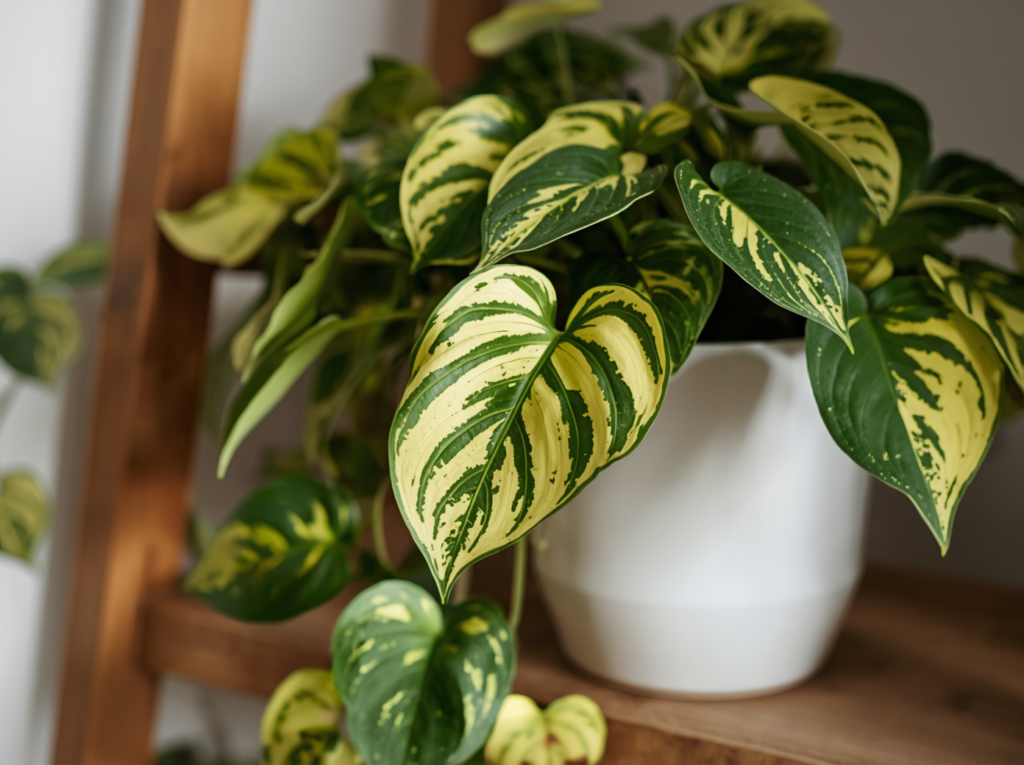
If there’s one plant that deserves the title of ‘most beginner-friendly,’ it’s the pothos. This trailing vine with heart-shaped leaves can survive low light, irregular watering, and even neglect. It grows quickly, making it deeply satisfying for new plant parents.
Care Requirements:
- Light: Low to bright indirect light — thrives in almost any condition
- Water: Every 1–2 weeks; let soil dry completely between waterings
- Humidity: Tolerates normal indoor humidity (40–60%)
- Toxicity: Mildly toxic to cats and dogs — keep out of reach
Pothos are also exceptional air purifiers. NASA’s Clean Air Study found they help remove indoor air pollutants including formaldehyde and benzene. Hang them in a macramé hanger or let them trail from a bookshelf for a stunning visual effect.
Pro Tip:
If your pothos leaves turn yellow, you’re overwatering. If they curl inward, it needs more water. Once you learn to read these signals, caring for pothos becomes completely intuitive.
2. Snake Plant (Sansevieria trifasciata) — The Bedroom Oxygen Booster
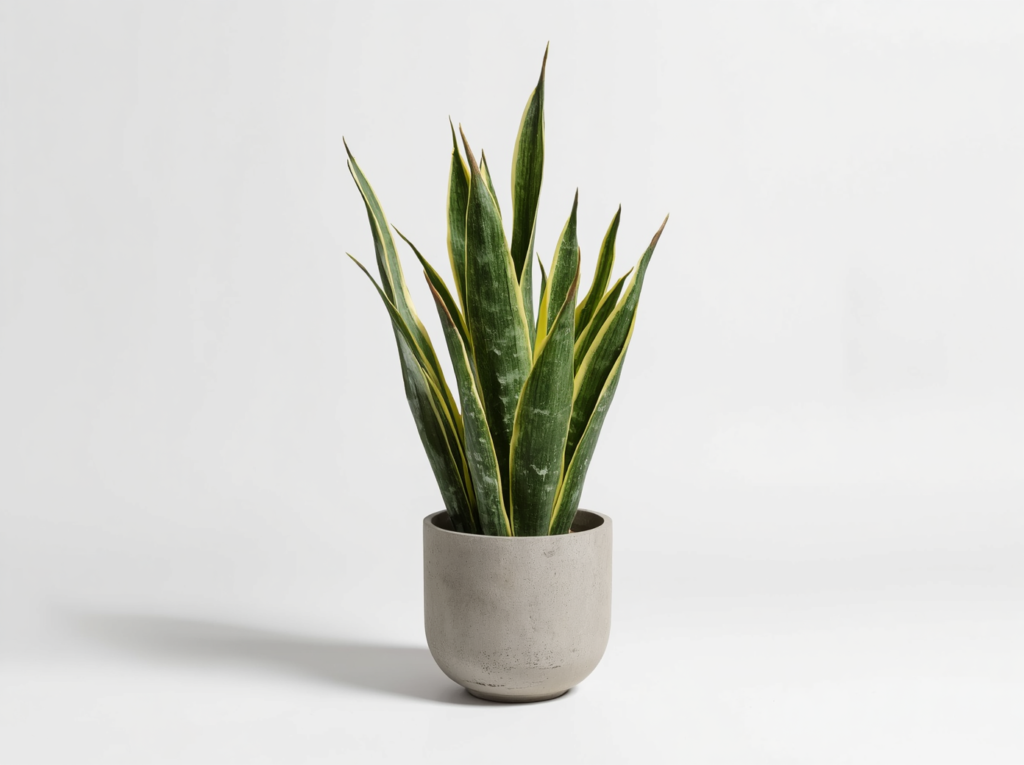
The snake plant is practically legendary for its resilience. It can go weeks without water, tolerates low light, and actually releases oxygen at night — making it the ideal bedroom companion. Its architectural, upright form adds a sculptural quality to any room.
Care Requirements:
- Light: Low light to bright indirect — avoid direct harsh sunlight
- Water: Every 2–6 weeks depending on season; less in winter
- Soil: Well-draining cactus or succulent mix
- Pet Safety: Toxic to cats and dogs if ingested
Snake plants are incredibly drought-tolerant because they store water in their thick leaves. The most common mistake beginners make is overwatering — when in doubt, wait another week before watering.
3. ZZ Plant (Zamioculcas zamiifolia) — The Durable Dark-Room Survivor
The ZZ plant is a true survivor. With its glossy, dark green leaves and ability to thrive in nearly zero natural light, it’s become a favorite in offices and darker homes. It stores water in its thick rhizomes, making it one of the most drought-resistant houseplants available.
Care Requirements:
- Light: Low to moderate indirect light; no direct sun needed
- Water: Every 2–4 weeks; the rhizomes store water
- Growth Rate: Slow, but very steady — new shoots emerge in spring
- Toxicity: All parts are toxic; wear gloves when repotting
4. Spider Plant (Chlorophytum comosum) — The Fast-Growing Air Purifier
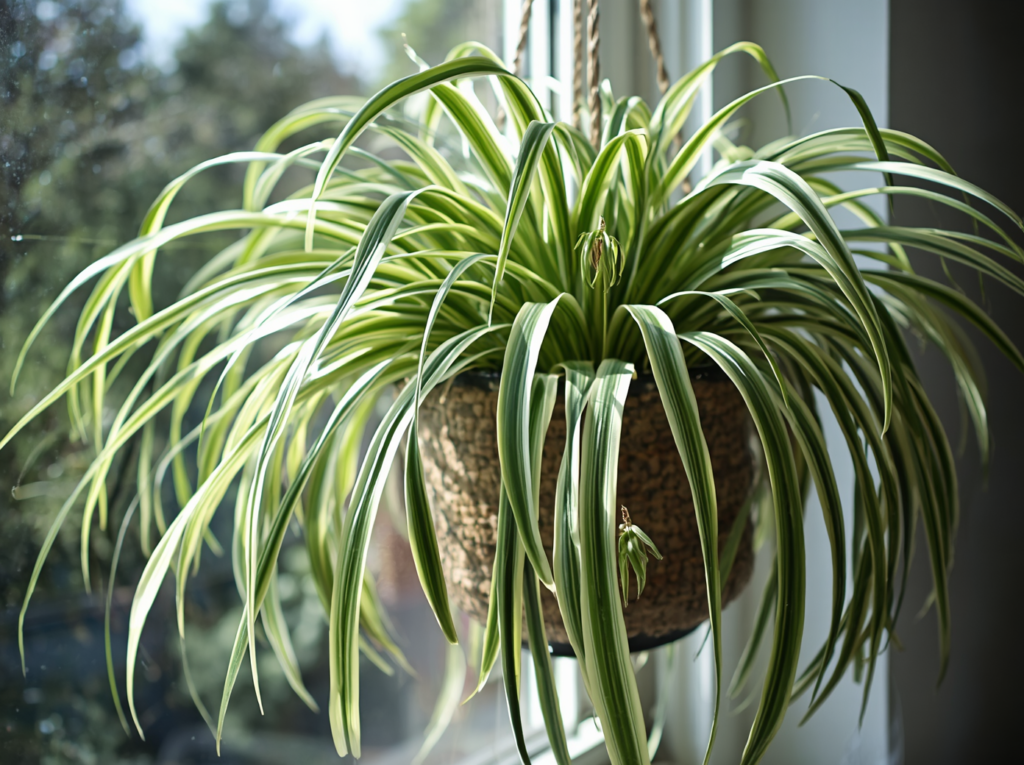
Spider plants are beloved for their cheerful arching leaves and the tiny ‘spiderettes’ (baby plants) they produce on long runners. They’re non-toxic, fast-growing, and one of the most effective air-purifying plants studied by NASA. Perfect for hanging baskets near windows.
Care Requirements:
- Light: Bright to medium indirect light; tolerates lower light
- Water: Weekly in summer; every 2 weeks in winter
- Propagation: Incredibly easy — just root the baby spiderettes in water
- Pet Safety: Non-toxic — completely safe for cats, dogs, and children
5. Peace Lily (Spathiphyllum) — The Elegant Low-Light Bloomer
Peace lilies are one of the few flowering plants that thrive in low light, making them exceptional for darker corners. They’re also highly expressive — their leaves dramatically droop when thirsty, making them easy to water on demand. White blooms appear in spring and sometimes again in fall.
Care Requirements:
- Light: Low to medium indirect light; avoid direct sun (causes leaf burn)
- Water: When leaves begin to slightly droop — usually weekly
- Humidity: Enjoys humidity; mist occasionally or use a pebble tray
- Toxicity: Toxic to pets and people if ingested; causes mouth irritation
6. Rubber Plant (Ficus elastica) — The Statement Living Sculpture
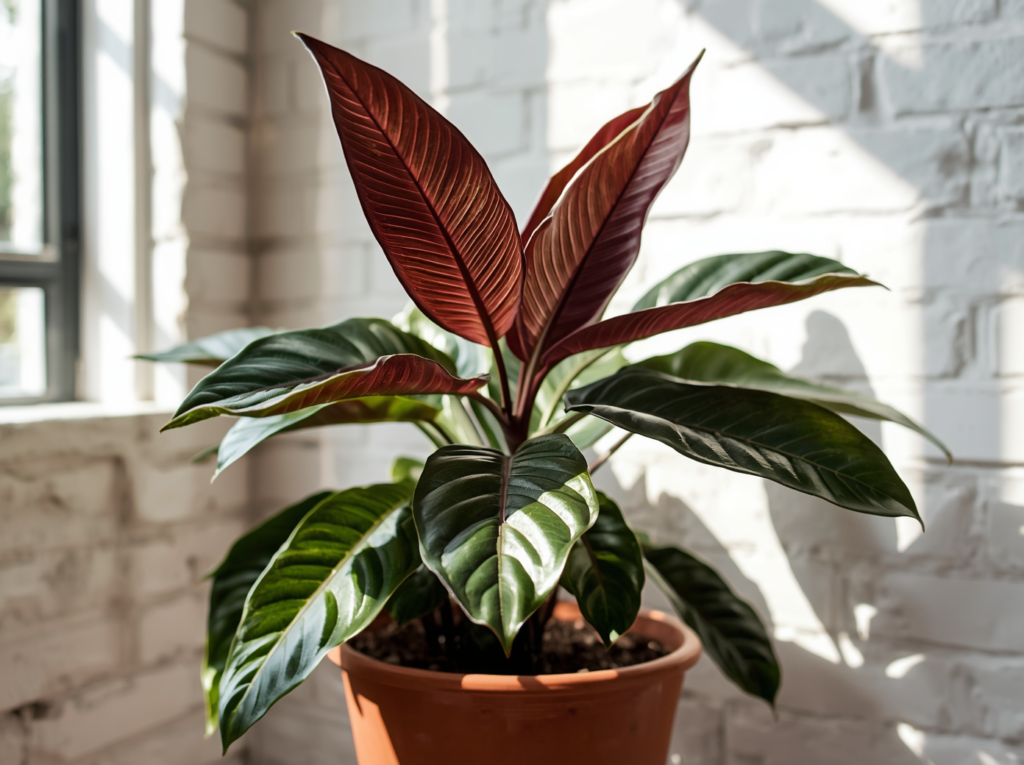
With its bold, oversized leaves in rich green or burgundy, the rubber plant makes an instant design statement. It grows tall and upright, eventually reaching ceiling height indoors. Despite its dramatic appearance, it’s surprisingly easy to care for.
Care Requirements:
- Light: Bright indirect light — a few feet from a south-facing window is ideal
- Water: Every 1–2 weeks; allow top inch of soil to dry between waterings
- Wipe leaves with a damp cloth monthly to keep them dust-free and shiny
- Toxicity: Mildly toxic to pets; keep out of reach
7–15: More Beginner Favorites
Here’s a quick reference for seven more excellent starter plants:
- 7. Aloe Vera — Stores sunlight and water; doubles as a natural burn remedy
- 8. Chinese Evergreen (Aglaonema) — Stunning patterned leaves; survives low light
- 9. Heartleaf Philodendron — Fast-growing, heart-shaped leaves; loves humidity
- 10. Dracaena — Tall, striped foliage; great for corners; removes air toxins
- 11. Cast Iron Plant (Aspidistra) — Almost indestructible; tolerates extreme neglect
- 12. Monstera Deliciosa — Iconic split leaves; intermediate grower; very rewarding
- 13. Jade Plant — Succulent tree; symbolizes good luck; lives for decades
- 14. Haworthia — Tiny, architectural succulent; perfect for desks
- 15. English Ivy — Fast-trailing; excellent air purifier; beautiful in hanging pots
Essential Beginner Tips for All Indoor Plants
1. Always Check Soil Before Watering
The number one killer of houseplants is overwatering. Before watering, push your finger 1–2 inches into the soil. If it feels moist, wait. If it’s dry, water thoroughly until it drains from the bottom.
2. Light Is Everything
Most indoor plants die from too little or too much light. ‘Indirect light’ means bright but not direct sun rays touching the leaves. A north-facing window provides low light; south and west-facing windows provide bright indirect to direct light.
3. Fertilize During Growing Season
Plants need nutrients to grow. Use a balanced liquid fertilizer (10-10-10 NPK) once a month during spring and summer. Stop fertilizing in fall and winter when growth slows.
4. Watch for Pests
Common houseplant pests include fungus gnats (from overwatering), spider mites (from low humidity), and mealybugs. Inspect leaves weekly and treat with neem oil spray at the first sign of infestation.
Frequently Asked Questions
What is the easiest indoor plant to keep alive?
The pothos and snake plant are widely considered the easiest. Both tolerate low light, irregular watering, and beginner mistakes with remarkable resilience.
How often should I water my indoor plants?
There’s no universal schedule. The frequency depends on the plant species, pot size, soil type, and indoor climate. As a rule: most plants need water every 1–2 weeks in summer and every 2–4 weeks in winter.
Can I grow indoor plants without sunlight?
Some plants, like ZZ plants, snake plants, and cast iron plants, survive in very low natural light. However, all plants need at least some light to survive. If your space has no windows, consider a full-spectrum grow light.
Starting your indoor plant journey is one of the most fulfilling hobbies you can adopt. Begin with just one or two plants from this list, learn their rhythms, and let your confidence grow alongside your collection.