

Succulents are the darlings of the plant world — sculptural, colorful, and endlessly varied. They store water in their leaves, stems, or roots, making them incredibly forgiving for busy or forgetful plant owners. But despite their reputation for toughness, succulents do have specific needs — and understanding them is the difference between a thriving collection and a soggy, rotting mess.
This guide covers everything: soil, watering, light, temperature, propagation, and the most common mistakes to avoid.
Understanding Succulents: Why They’re Different
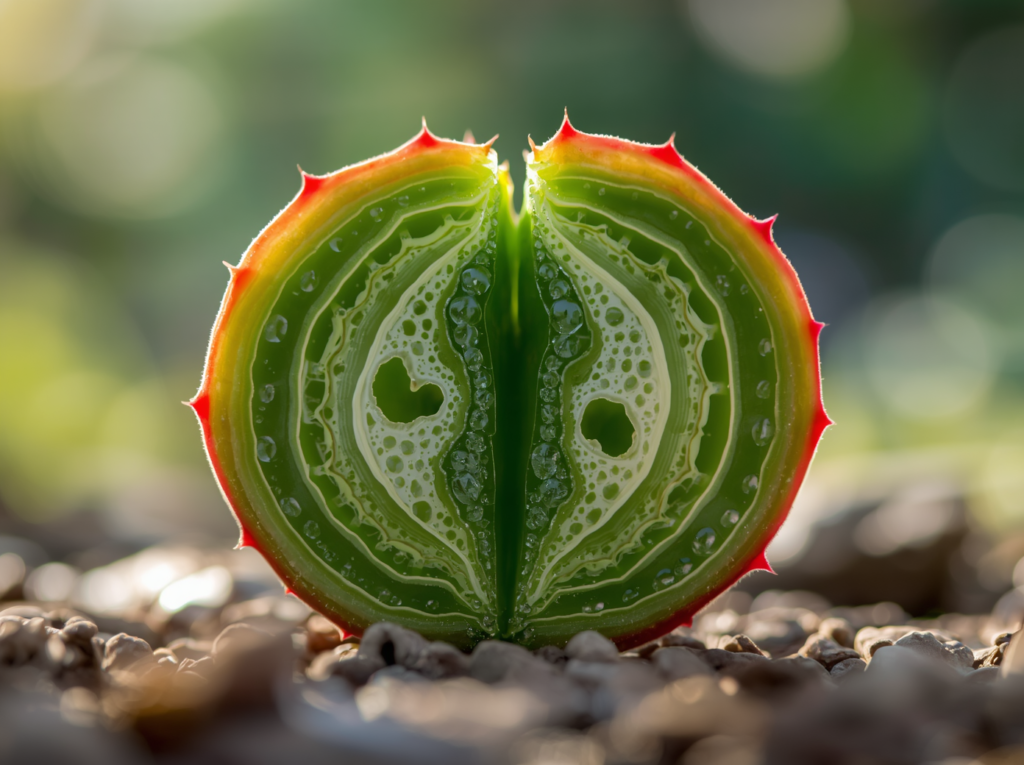
Succulents evolved in arid and semi-arid environments — deserts, rocky mountain slopes, coastal cliffs — where rainfall is rare and intense. Their defining feature is water storage: specialized cells in their fleshy leaves, stems, or roots swell with moisture during wet periods and sustain the plant through long droughts.
This adaptation means succulents need completely different care from tropical houseplants. They prefer infrequent deep watering over frequent light watering, and they need excellent drainage to prevent root rot — their greatest enemy.
The Perfect Soil for Succulents
Why Regular Potting Mix Doesn’t Work
Standard potting soil retains too much moisture for succulents. Extended wetness at the root zone causes root rot — a fatal condition that spreads quickly and is difficult to reverse. You need soil that drains fast and dries out completely between waterings.
Best Succulent Soil Options:
- Commercial succulent/cactus mix — widely available; works well for most species
- DIY mix: 50% coarse sand (not beach sand) + 50% regular potting mix
- Pro mix: 40% perlite + 40% potting soil + 20% coarse grit or pumice
The key is drainage speed. When you water, it should flow freely through the pot and out the drainage hole within seconds, not pool and slowly absorb.
Watering Succulents: The Soak and Dry Method
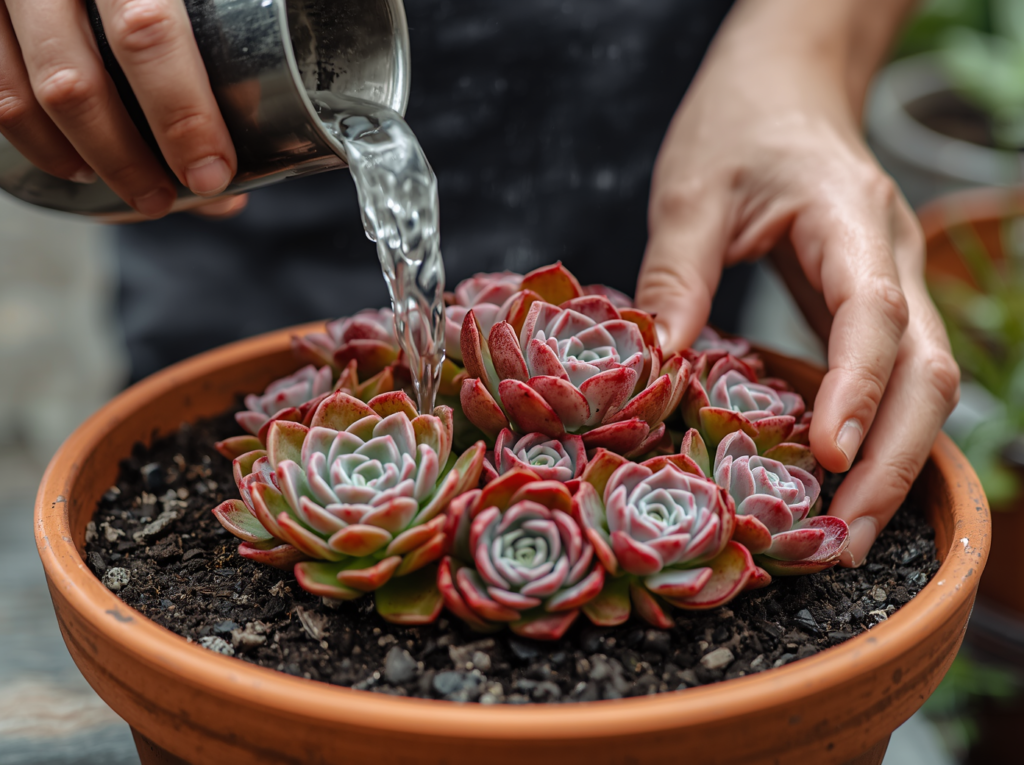
The Golden Rule: Soak Thoroughly, Then Dry Completely
Succulents thrive on the soak-and-dry method: water thoroughly until it flows from the drainage hole, then wait until the soil is completely dry before watering again. This mimics natural rainfall patterns in their native environments.
Seasonal Watering Schedule:
- Spring & Summer (growing season): Water every 7–14 days for indoor plants
- Fall: Gradually reduce to every 2–3 weeks as growth slows
- Winter (dormant season): Water only once a month, or even less
Signs of overwatering: mushy, translucent leaves that fall off at the slightest touch; discolored (yellow, brown) base leaves; foul smell from the soil.
Signs of underwatering: shriveled, wrinkled leaves that feel soft instead of firm; the plant shrinks slightly; leaves lose their plump appearance.
Important Watering Rules:
- Always water at the base, never mist the leaves (promotes rot and fungal disease)
- Use room-temperature water; cold water can shock tropical-origin succulents
- Never let succulents sit in water — remove the saucer after watering
Light Requirements for Succulents
Most succulents need 6 hours of bright light daily. They’re sun-lovers by nature, but the intensity of indoor light versus outdoor sun is dramatically different.
Outdoor Succulents:
Full sun to partial shade is ideal. Morning sun with afternoon shade is often perfect, protecting them from the harshest midday heat. In very hot climates (USDA zones 9–11), provide afternoon shade to prevent sunscald.
Indoor Succulents:
Place near your brightest window — south or east-facing windows are ideal. If natural light is insufficient, supplemental grow lights (specifically full-spectrum LEDs) placed 6–12 inches above the plants work extremely well.
Signs Your Succulent Needs More Light:
- Etiolation (stretching) — the plant grows tall and leggy, reaching for light
- Pale, washed-out color instead of vibrant greens, purples, and reds
- Leaves become widely spaced on the stem
Temperature and Climate
Most succulents prefer temperatures between 60°F and 80°F (15°C–27°C). They generally dislike frost, though some cold-hardy varieties (like Sempervivum, or ‘hen and chicks’) survive temperatures well below freezing.
Avoid placing succulents near heating vents, air conditioners, or drafty windows — extreme temperature fluctuations stress the plants and slow growth.
How to Propagate Succulents
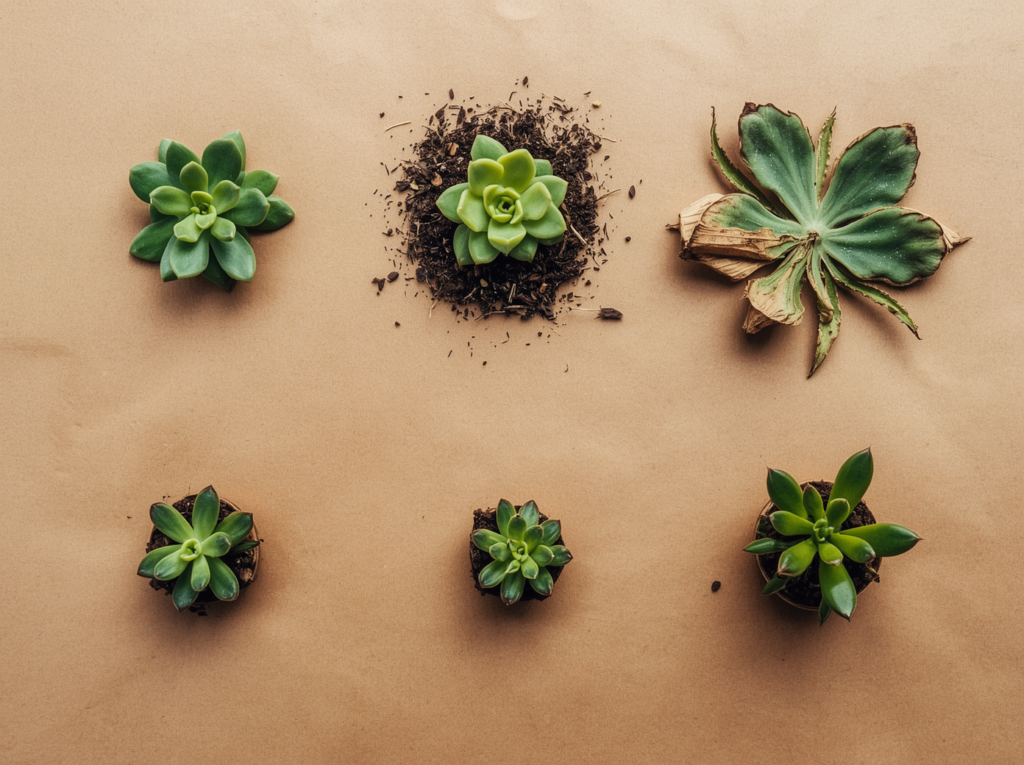
One of the most magical aspects of succulents is how easily they propagate. A single healthy leaf can become an entirely new plant. Here are the three main methods:
Method 1: Leaf Propagation
Gently twist a healthy leaf from the mother plant with a clean, complete break. Lay it on dry succulent soil in indirect light. Within 2–4 weeks, tiny roots and a new rosette will emerge. Mist lightly every few days once roots appear.
Method 2: Stem Cuttings
Cut a healthy stem with a clean, sterilized blade. Allow the cut end to callus for 2–5 days in a dry, shaded spot. Plant in well-draining soil and wait 1–2 weeks before watering to encourage root development.
Method 3: Offsets (Pups)
Many succulents, especially aloe and agave, produce offsets — small clones that grow at the base of the mother plant. Once they reach a few inches in size, gently separate and repot them.
Common Succulent Mistakes (And How to Fix Them)
Mistake 1: Watering on a Schedule Instead of by Need
Every plant, pot, and environment is different. Instead of watering every Tuesday, check the soil. If dry, water. If moist, wait. The plant tells you what it needs.
Mistake 2: Using Pots Without Drainage Holes
Drainage is non-negotiable for succulents. If you love a particular pot without a drainage hole, use it as a decorative outer pot and keep your succulent in a plastic nursery pot inside it. Empty the outer pot after watering.
Mistake 3: Placing in Low Light
Most succulents sold in stores were grown under greenhouse conditions with intense light. Moving them indoors to a dim room causes rapid deterioration. Prioritize your sunniest window.
Best Succulents for Beginners
- Echeveria — rosette-shaped; endless color varieties; very forgiving
- Haworthia — grows in lower light; stays small; perfect for desks
- Aloe Vera — functional and beautiful; medicinal gel; nearly indestructible
- Sedum — ground-covering or trailing; extremely cold-hardy varieties available
- Jade Plant (Crassula ovata) — develops a woody trunk; can live for decades
- Sempervivum — fully frost-hardy; excellent for outdoor rock gardens
With the right soil, light, and watering approach, succulents are among the most rewarding plants you can grow. Start with one or two varieties, master the soak-and-dry method, and watch your collection multiply naturally through propagation.