
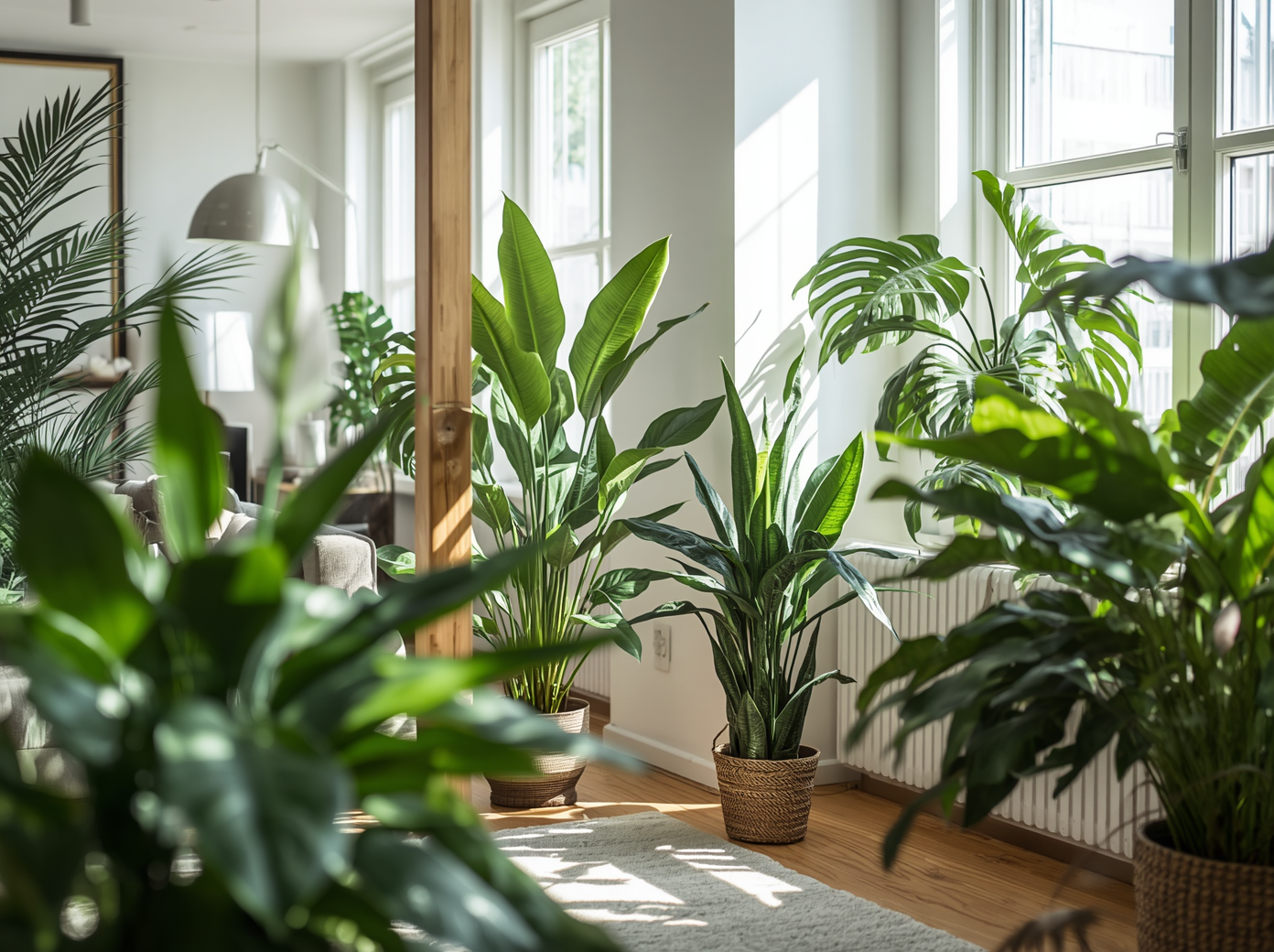
Most people spend over 90% of their time indoors, where air pollutant concentrations can be 2 to 5 times higher than outdoor levels, according to the EPA. Indoor air pollution is linked to headaches, fatigue, respiratory issues, and long-term health risks — and it comes from surprising sources like furniture, carpets, cleaning products, and even cooking.
The solution might be growing right on your windowsill. NASA’s landmark Clean Air Study and subsequent research have identified specific houseplants that actively filter toxic compounds from the air. Here are the 10 most effective, along with the science explaining how they work.
How Plants Clean the Air: The Science
Plants remove airborne pollutants through two primary mechanisms. First, their leaves absorb gaseous pollutants through stomata (tiny pores) during the natural process of gas exchange. Second, and perhaps even more powerfully, the microorganisms living in the root zone soil break down and neutralize toxic chemicals — a process called phytoremediation.
The most common indoor air pollutants include formaldehyde (from furniture, carpets), benzene (from plastics, paints), trichloroethylene (from solvents, adhesives), xylene (from paints, varnishes), and ammonia (from cleaning products).
1. Spider Plant — The Most Effective All-Rounder
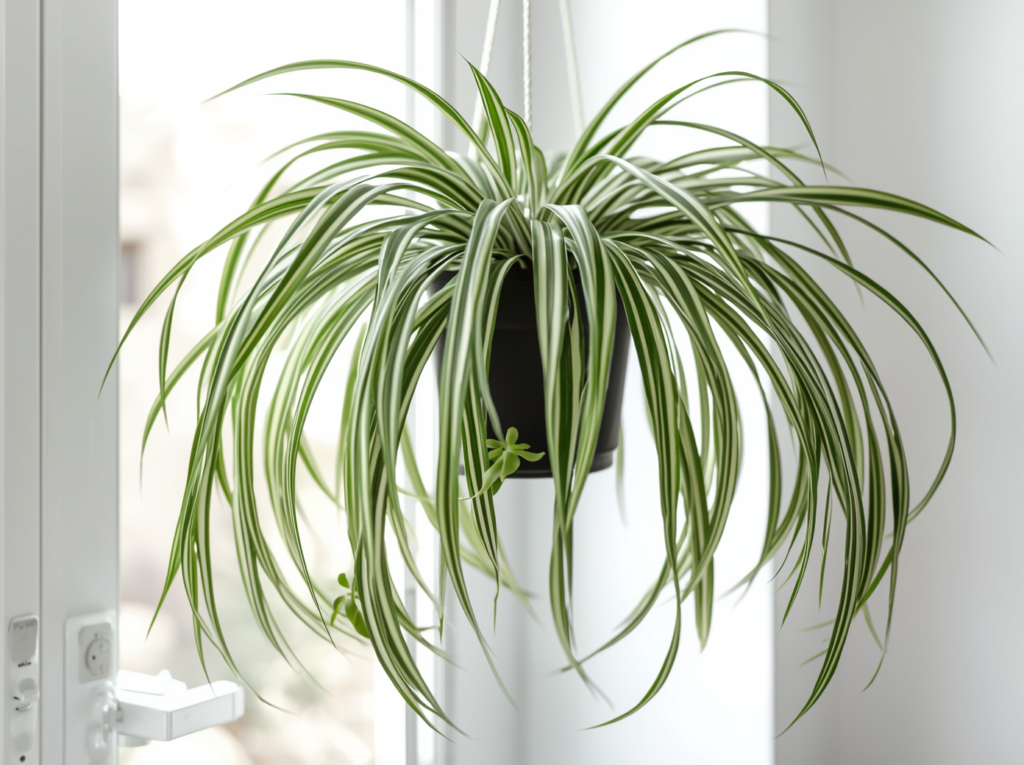
NASA’s original Clean Air Study ranked the spider plant among the top performers for air purification. In a controlled 24-hour test, spider plants removed approximately 96% of carbon monoxide and formaldehyde from a sealed chamber. They are also remarkably easy to grow and are completely non-toxic to children and pets.
Key Toxins Removed:
- Formaldehyde — from pressed wood furniture, flooring, insulation
- Carbon monoxide — from cooking, heating appliances
- Xylene — from paints, varnishes, rubber
For best air-purifying results, use one medium-to-large spider plant per approximately 100 square feet of living space.
2. Peace Lily — Removes 5 Major Pollutants
The peace lily is exceptional because it targets five of the most common indoor air toxins simultaneously. It’s one of only a few plants to effectively absorb acetone — a common VOC released by nail polish removers, certain paints, and even the human body in metabolic processes. It’s also one of the best benzene removers among houseplants.
Key Toxins Removed:
- Benzene — from tobacco smoke, synthetic fibers, plastics
- Formaldehyde — from household products and building materials
- Trichloroethylene — from dry-cleaning chemicals, adhesives
- Ammonia — from cleaning products and fertilizers
- Acetone — from nail products and lacquers
Important note: peace lilies are toxic to cats and dogs. Keep them in rooms inaccessible to pets.
3. Pothos — Champion Formaldehyde Fighter
Pothos plants are workhorses for removing formaldehyde, which is one of the most pervasive indoor air pollutants — released from everything from cabinets to wallpapers to cleaning products. Studies have shown pothos plants significantly reduce formaldehyde concentrations even in low-light conditions, making them useful in almost any room.
Best Placement Strategies:
- Place in garages where car exhaust fumes containing carbon monoxide accumulate
- Near new furniture or newly painted walls that off-gas heavily
- In laundry rooms where cleaning product fumes concentrate
4. Boston Fern — The Humidity Regulator
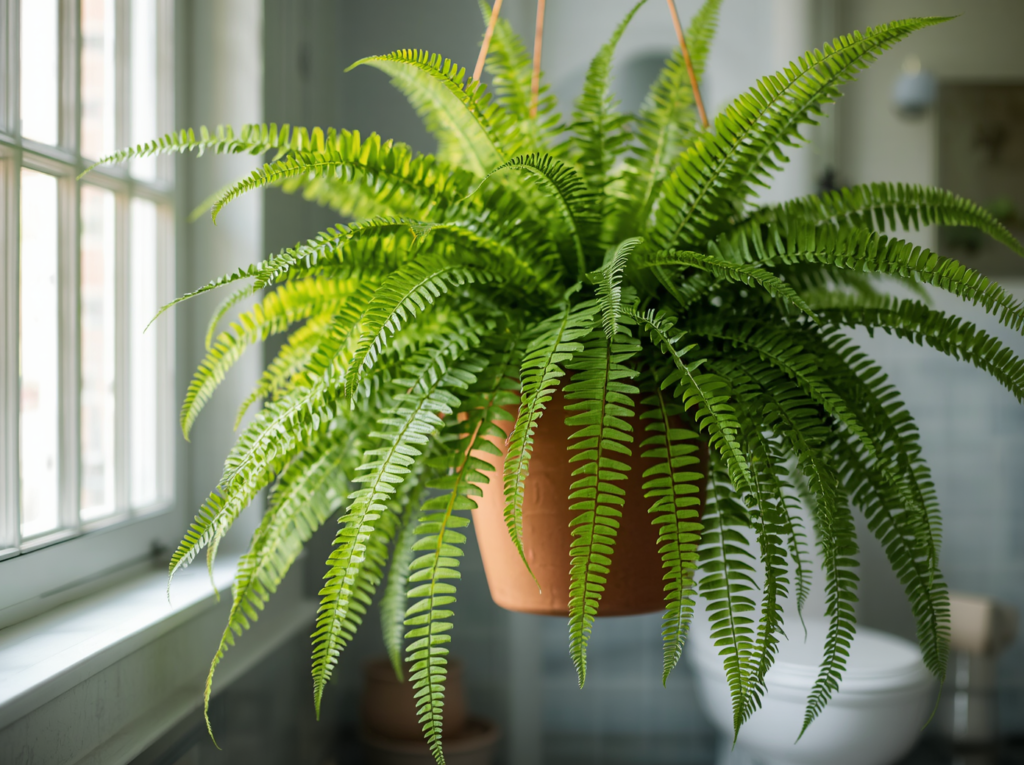
Boston ferns lead the pack in formaldehyde removal among all plants studied by NASA. But they offer a unique additional benefit: they act as natural humidifiers, releasing moisture into the air while simultaneously removing pollutants. In dry homes (especially during winter when heating reduces humidity), a Boston fern can measurably improve both air quality and humidity levels.
Key Toxins Removed:
- Formaldehyde — highest removal rate among ferns studied
- Xylene — from vehicle exhaust, paints, tobacco smoke
Care note: Boston ferns need consistent moisture and higher humidity than most houseplants. They thrive in bathrooms or kitchens, or when misted daily.
5. Rubber Plant — Long-Term VOC Absorber
Research from the University of Georgia found that rubber plants are particularly effective at removing volatile organic compounds (VOCs) from enclosed spaces. Their large, waxy leaves offer a substantial surface area for gas exchange, and the microbiome in their root zone soil is especially active at breaking down toxins.
6. Dracaena — Attacks Benzene and Trichloroethylene
Multiple varieties of dracaena (including ‘Marginata,’ ‘Janet Craig,’ and ‘Massangeana’) ranked among the top performers in NASA’s study, particularly for removing benzene and trichloroethylene. These compounds are commonly found in printer inks, solvents, and varnishes — making dracaena an excellent choice for home offices and art studios.
Important:
Dracaena plants are toxic to cats and dogs. The compounds in the leaves cause vomiting, dilated pupils, and loss of appetite in pets.
7. Golden Cane Palm — The Natural Air Filter
The golden cane palm (Dypsis lutescens) is one of the best overall air purifiers available in a large, statement-making form. It’s particularly effective at removing formaldehyde, xylene, and toluene — and as a bonus, it’s completely non-toxic to children and pets, making it one of the safest air-purifying plants for family homes.8. Aloe Vera — Tackles Formaldehyde and Benzene
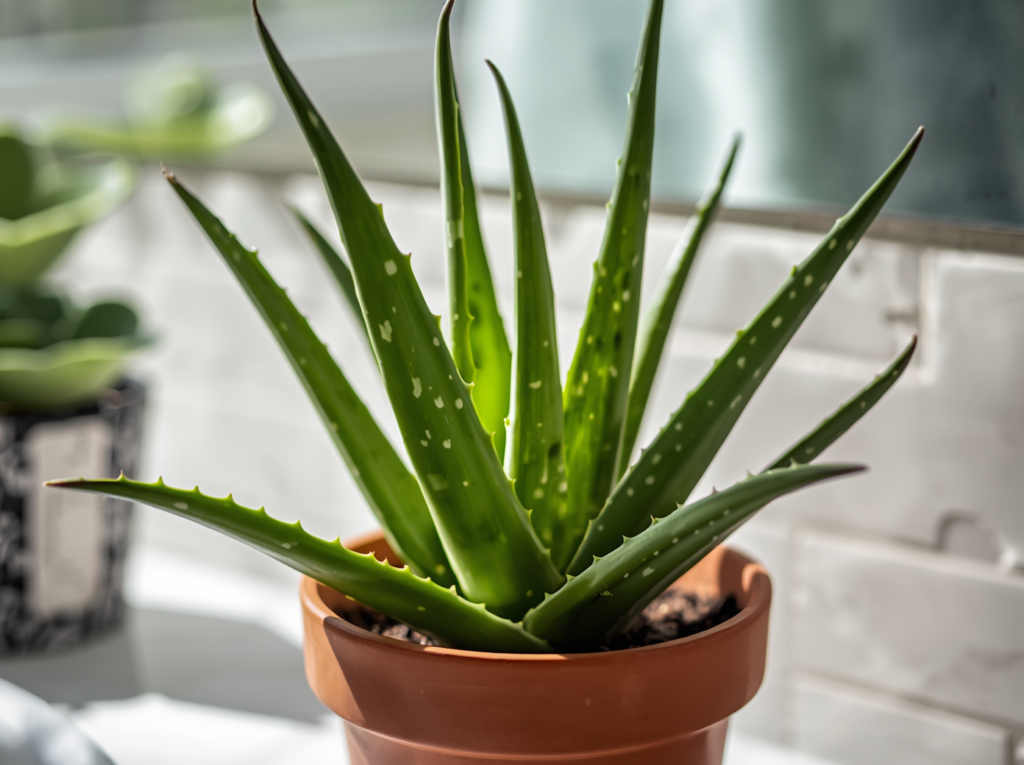
Aloe vera is a multi-functional plant: it removes formaldehyde and benzene from the air while also serving as a natural first-aid remedy for minor burns and skin irritations. When air pollution levels in a room become harmful, aloe vera leaves develop brown spots — acting as a natural air quality indicator. This visual warning system makes it uniquely practical.
9. Chinese Evergreen — Low-Light Air Purifier
Chinese evergreens are among the most effective air purifiers for low-light environments. They remove benzene and formaldehyde and tolerate the kind of dim conditions that would make other air-purifying plants struggle. The wide, variegated leaves come in stunning patterns of silver, green, and red — adding beauty while cleaning the air.
10. English Ivy — Mold Reducer
Beyond the standard VOC removal, English ivy offers a remarkable additional benefit: it reduces airborne mold particles. A University of Georgia study found that English ivy plants reduced mold in a room by up to 60% within 12 hours. For people with allergies or asthma, this makes English ivy particularly valuable in bathrooms, basements, or any area prone to mold.
How Many Plants Do You Need?
NASA’s original recommendation was approximately 15–18 medium-to-large plants for a 1,800 square foot home — roughly one plant per 100 square feet of living space. More recent research suggests that while individual plants do have measurable effects, you’d need significantly more plants to make a dramatic, quantifiable difference in a real-world home (as opposed to the sealed test chambers used in studies).
The practical recommendation: use plants as one component of a broader indoor air quality strategy. They provide real benefits and are valuable additions to any home — but also ensure adequate ventilation, use air purifiers with HEPA and carbon filters in high-pollution areas, and address the sources of pollution where possible (e.g., choose low-VOC paints and furniture). The beauty of air-purifying plants is that they provide measurable health benefits while being genuinely beautiful additions to your home. Start with spider plants and pothos for the easiest care and highest resilience, and add peace lilies or Boston ferns as you grow more confident in your plant care skills.