
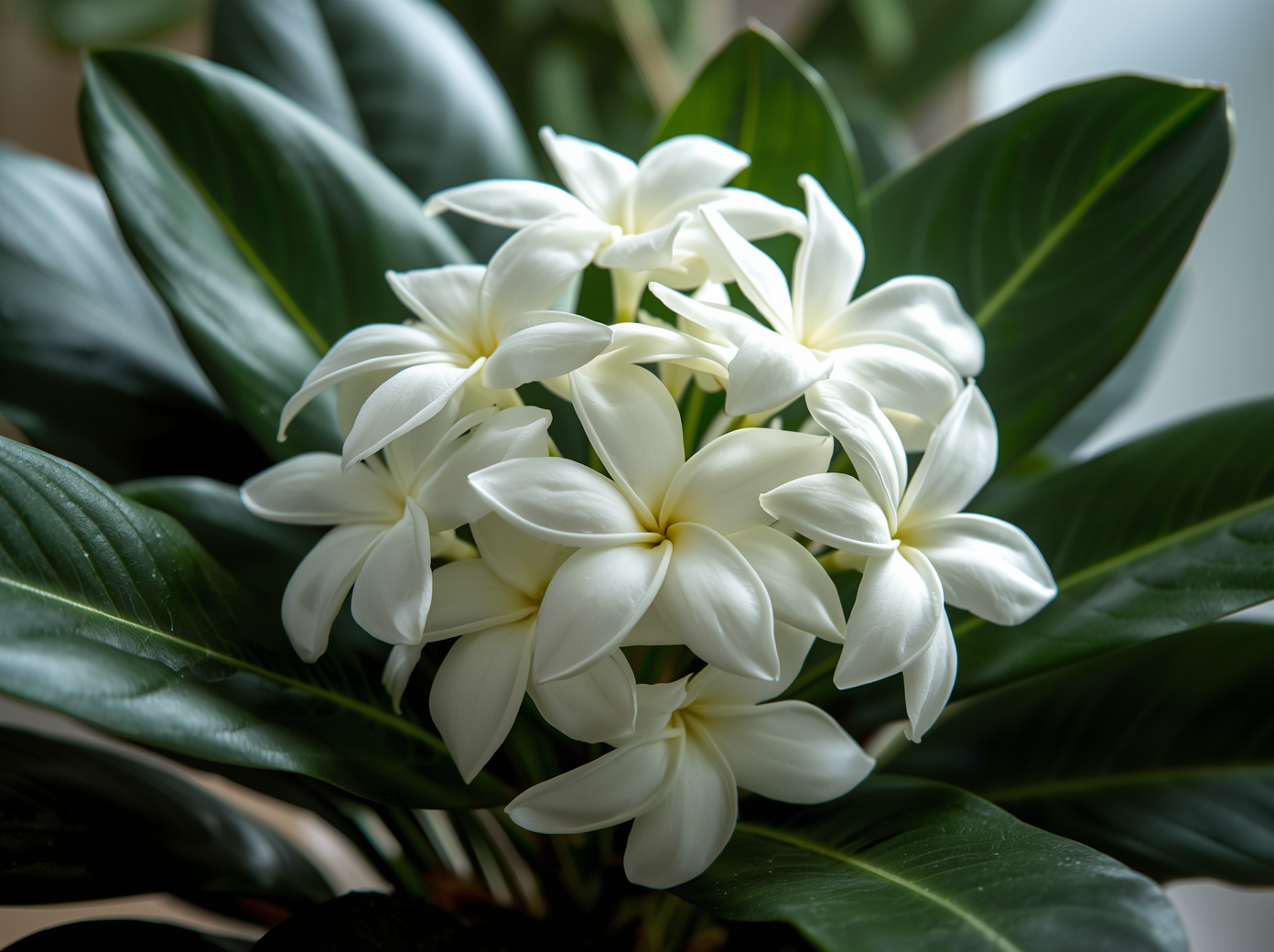
Few flowers combine beauty and fragrance as magnificently as the gardenia. The pure white, waxy blooms against the glossy, deep green leaves create a visual contrast that is simply stunning, and the intense, sweet fragrance is one of the most celebrated in the plant world. Gardenia jasminoides has been cultivated in Asia for centuries and valued in European gardens since its introduction in the eighteenth century.
Gardenias also have one of the most demanding reputations in horticulture, and that reputation is justified. They are sensitive to temperature fluctuations, demand high humidity, require acidic soil, and will shed their flower buds at the slightest provocation. But for those willing to meet their exacting requirements, gardenias reward with blooms of exceptional beauty and fragrance that fill a room.
Understanding Gardenia Requirements
Gardenias are native to the tropical and subtropical regions of Africa, southern Asia, and Australasia, where they grow in warm, humid conditions with bright filtered light and consistently moist, well-drained, acidic soil. Understanding their natural conditions is the roadmap to successful indoor cultivation.
Light Requirements
Gardenias need bright, indirect light for at least six hours daily. A south or east-facing window is ideal, with morning sun being particularly beneficial. Without adequate light, gardenias produce fewer flowers and become leggy. However, direct harsh afternoon sun can bleach the leaves and stress the plant.
In winter, when light levels drop in temperate climates, supplemental grow lighting on a timer providing twelve to fourteen hours of full-spectrum light can maintain the plant’s health and encourage winter flowering in suitable varieties.
Temperature: The Bud Drop Trigger
Temperature management is the most critical and most commonly mismanaged aspect of gardenia care. Gardenias are highly sensitive to temperature fluctuations and respond to cold drafts or sudden temperature changes by dropping their flower buds before they open.
Ideal Temperature Ranges:
- Daytime: 65 to 70 degrees Fahrenheit (18 to 21 degrees Celsius)
- Nighttime: 60 to 65 degrees Fahrenheit (15 to 18 degrees Celsius) — the slightly cooler nighttime temperature actually helps initiate flower bud formation
- Absolute minimum: 55 degrees Fahrenheit (13 degrees Celsius)
Temperature Mistakes That Cause Bud Drop:
- Cold drafts from windows, exterior doors, or air conditioning vents
- Sudden temperature drops when moving the plant to a new location
- Heater vents blowing hot, dry air onto the plant
- Temperature below 60 degrees Fahrenheit once buds have formed
The golden rule: once your gardenia has set flower buds, do not move it. Place it in its final position before buds form and leave it there through the entire flowering period.
Humidity: Essential and Non-Negotiable
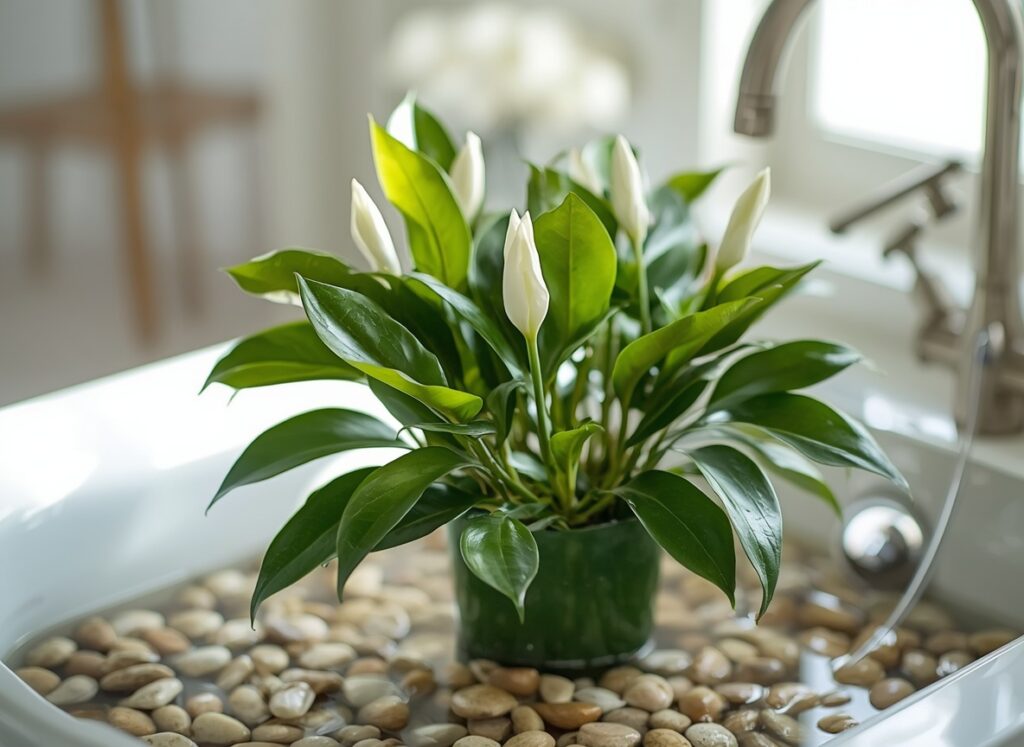
Gardenias need humidity of 50 to 70 percent. In most indoor environments, particularly in winter with heating running, humidity drops to 20 to 40 percent, which is insufficient for gardenias and causes bud drop, brown leaf edges, and poor flowering.
Effective Humidity Solutions:
- Large pebble tray with water: place the pot on a large tray filled with pebbles and water maintained just below the pot base; evaporation creates a consistent humid zone around the plant
- Humidifier: the most reliable solution; position near the plant and maintain 50 to 60 percent humidity
- Bathroom placement: if light is adequate, the naturally higher bathroom humidity suits gardenias
- Misting: provides brief relief but is not sufficient as a sole humidity solution; avoid misting the flowers directly
Watering Gardenias
Gardenias need consistently moist but never waterlogged soil. They are sensitive to both drought (which causes bud drop and leaf yellowing) and overwatering (which causes root rot and chlorosis).
Watering Guidelines:
- Water when the top inch of soil becomes dry; check every two to three days
- Use rainwater or filtered water; tap water in hard-water areas is too alkaline for gardenias
- Water thoroughly until it flows from the drainage hole; empty the saucer after thirty minutes
- Reduce watering slightly in winter when growth slows, but never allow the soil to dry out completely
Soil pH: The Hidden Key to Gardenia Success
This is the factor most gardenia growers overlook: gardenias are acid-loving plants that require a soil pH between 5.0 and 6.0. In neutral or alkaline soil, gardenias cannot absorb iron and other micronutrients, causing the yellowing condition called chlorosis (yellow leaves with green veins) regardless of how well the plant is otherwise cared for.
Maintaining Correct pH:
- Use ericaceous (acid) potting compost specifically formulated for acid-loving plants
- Water with rainwater rather than hard tap water; tap water in limestone areas raises soil pH over time
- Fertilize with a dedicated ericaceous or acid plant fertilizer
- If chlorosis appears, apply a chelated iron supplement to the soil or as a foliar spray
- Test soil pH annually with an inexpensive soil pH kit
Feeding Gardenias
Feed with an acid-specific liquid fertilizer formulated for gardenias, azaleas, or ericaceous plants from spring through late summer, every two weeks. Do not fertilize in autumn and winter when the plant is not actively growing.
Signs of inadequate nutrition are particularly distinctive in gardenias: yellowing between the leaf veins (interveinal chlorosis) indicates iron deficiency; overall pale yellowing indicates general nutrient deficiency; slow growth with dark green leaves may indicate a need for more nitrogen.
Getting Gardenias to Bloom
Key Flowering Triggers:
- Bright light: at least six hours of bright indirect light daily throughout the year
- Correct nighttime temperature: 60 to 65 degrees Fahrenheit triggers bud initiation
- High humidity: 50 to 70 percent maintained consistently
- Correct soil pH: 5.0 to 6.0; anything higher prevents flowering regardless of other conditions
- Do not move the plant once buds have formed: even minor positional changes cause bud drop
Best Varieties for Indoor Flowering:
- Gardenia jasminoides Veitchii: repeat-flowering variety; compact; one of the best for indoor growing
- Gardenia jasminoides Radicans: dwarf variety; suitable for small spaces; fragrant
- Gardenia jasminoides Mystery: large, double flowers; classic gardenia fragrance; excellent for cutting