
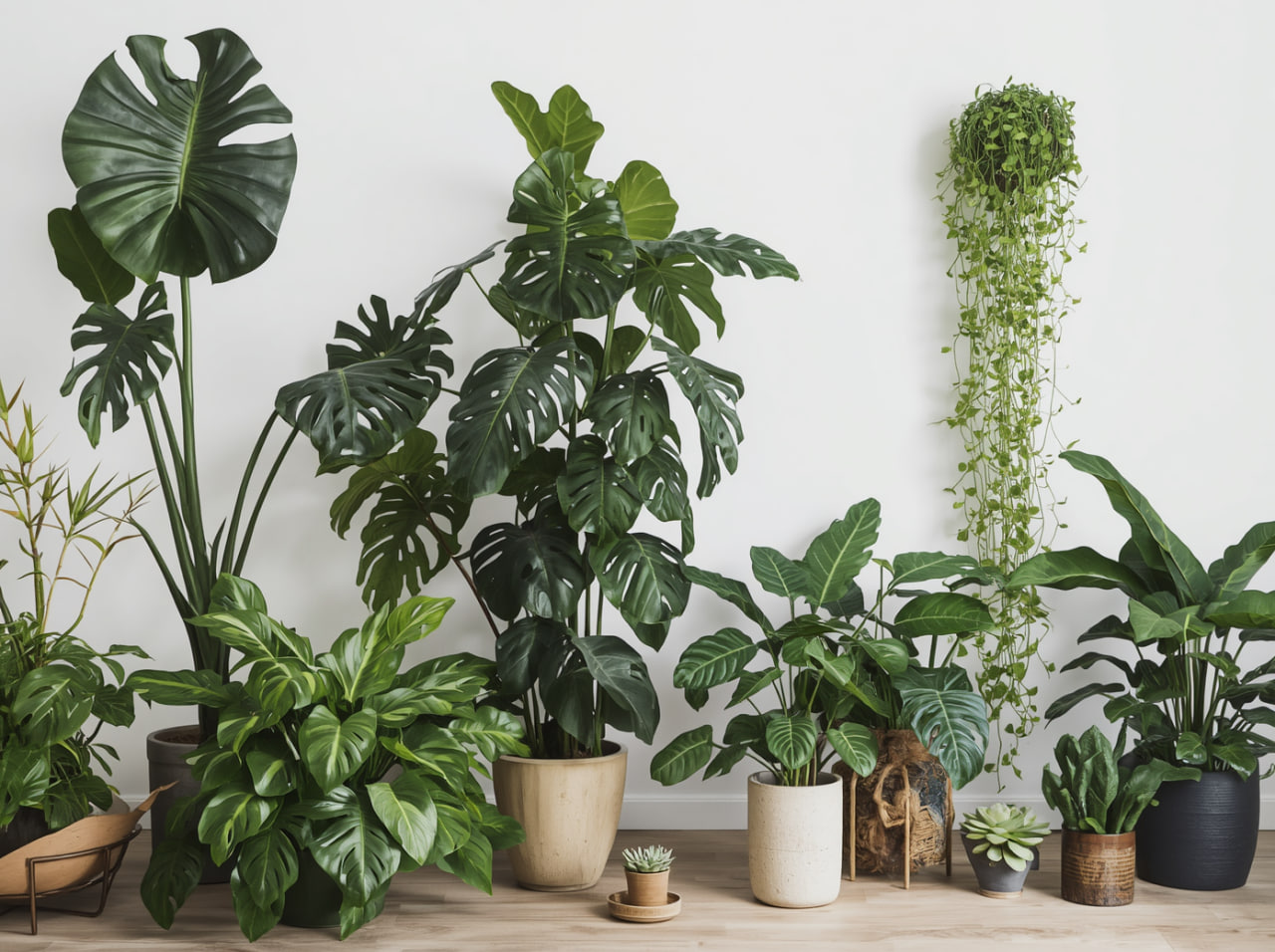
Plants are not merely accessories in interior design: they are active participants in creating the atmosphere of a space. Thoughtfully placed plants create living architecture, add color and texture that changes with the seasons, improve air quality, and have measurable positive effects on mood, creativity, and stress levels. Yet most people simply place plants wherever there is a surface available rather than approaching plant placement with intentionality.
Core Styling Principles
Rule of Odd Numbers
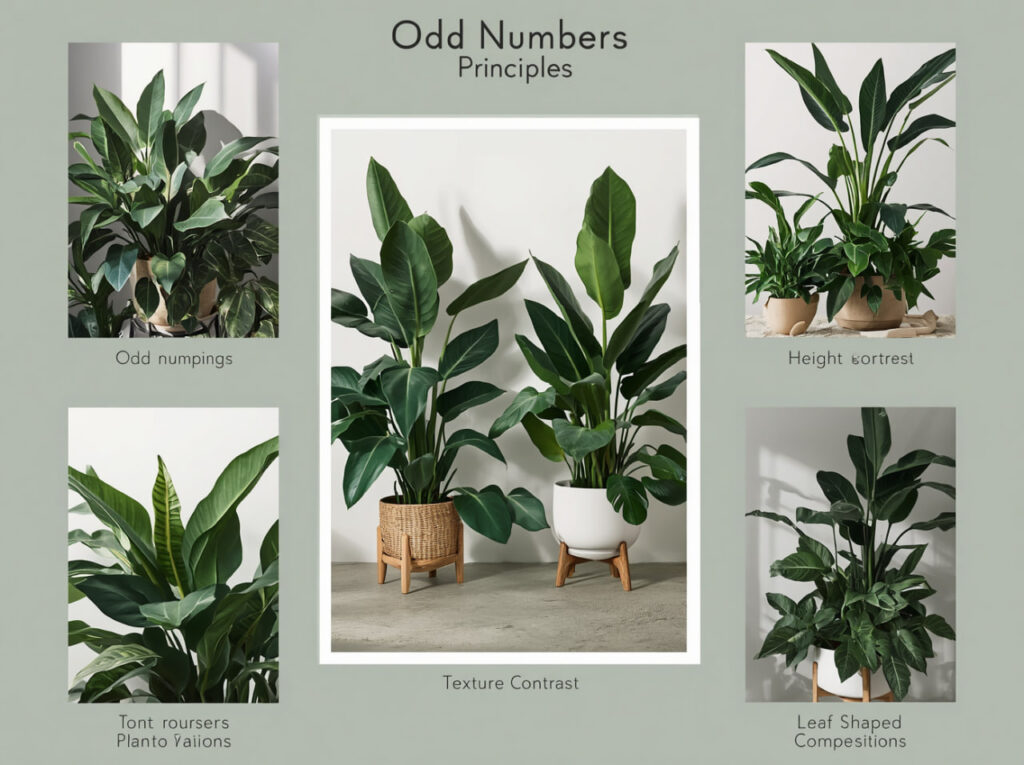
Groups of plants look most natural and visually balanced in odd numbers: one, three, or five. Even numbers create a symmetry that reads as deliberately formal; odd numbers create a more naturalistic, dynamic composition.
Vary Heights and Scale
The most compelling plant displays combine plants of significantly different heights and scales: a tall floor plant at six feet or more, a mid-height plant at two to four feet, and smaller plants on surfaces or in hanging positions. This creates visual depth and leads the eye through the composition.
Contrast Leaf Shapes and Textures
Combine plants with contrasting leaf characteristics for visual interest. Pair a bold, large-leaved plant like a rubber plant or elephant ear with a fine-textured plant like a fern or spider plant. The contrast makes each plant more visually distinctive and interesting.
The Color Story
Choose a color palette for your plant collection that works with your interior colors. A warm-toned room suits plants with bronze foliage and warm greens; a cool-toned room suits silver, blue-green, and pure green foliage. Variegated plants in white and cream work in almost any scheme.
Room-by-Room Plant Placement Guide
Living Room
Use one large floor plant as an architectural anchor such as a fiddle leaf fig, bird of paradise, or large monstera. Add two or three mid-height plants on side tables or low shelves. Complete with smaller plants on coffee tables or bookshelves. Trailing plants from high shelves add softness and movement.
Bedroom
Bedrooms benefit from plants that improve air quality and create a calm, restful atmosphere. Snake plants, peace lilies, and pothos are excellent choices. A single, well-chosen plant is often more elegant than a collection in a bedroom context.
Bathroom
Bathrooms are potentially excellent environments for moisture-loving tropical plants, provided there is adequate natural light. Ferns, peace lilies, pothos, and orchids all thrive in the higher humidity of bathrooms. A hanging pothos in a bright bathroom creates a spa-like atmosphere.
Kitchen
A kitchen window herb garden in terracotta pots provides both beauty and culinary usefulness. Trailing pothos or heartleaf philodendron on top of kitchen cabinets can be spectacular, trailing down the cabinet faces over time.
Home Office
Research consistently shows that plants in work environments improve concentration, creativity, and productivity. The desk plant collection should be compact to avoid taking up workspace, with a larger floor plant in a corner for atmosphere.
Choosing the Right Pots and Containers
The Container as Part of the Design
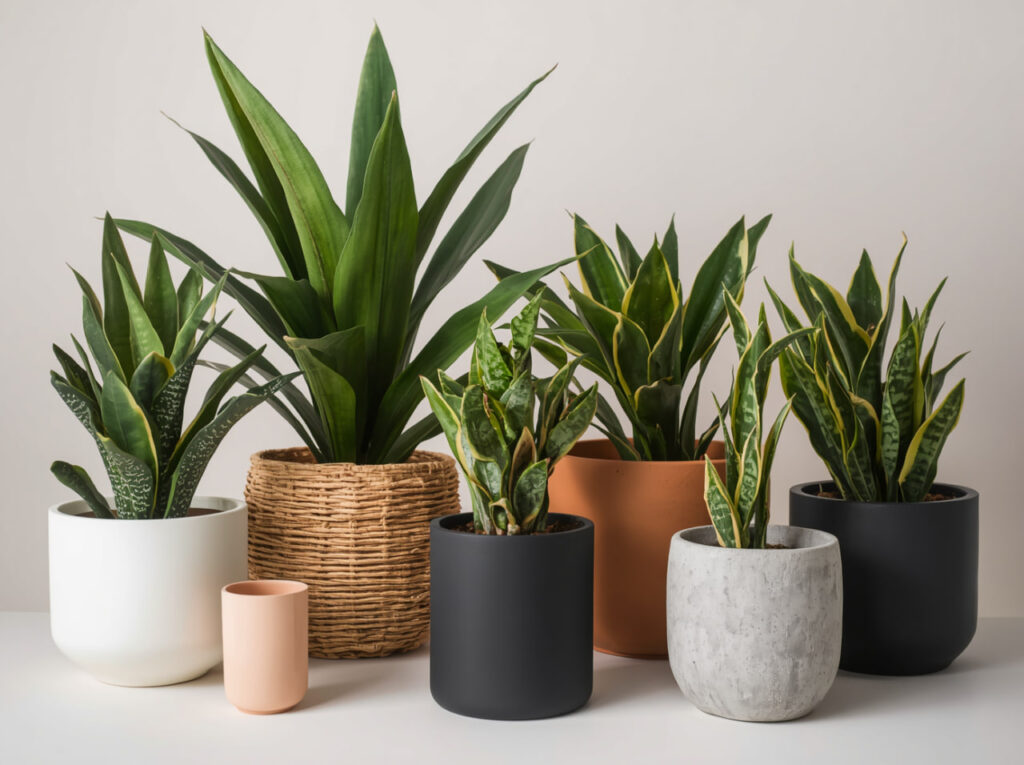
The pot is as important as the plant in creating a cohesive interior display. An extraordinary plant in a cheap plastic nursery pot looks mediocre; the same plant in a beautiful ceramic pot becomes a design object. Invest in quality containers.
Creating a Cohesive Container Story
Choose containers with a common element to unify a collection: the same material (all terracotta, all matte ceramic), the same color family (all white and cream, all earth tones), or the same texture. Using identical containers creates a formal, modern look; using varied containers within a color or material family creates a more relaxed but still cohesive aesthetic.
Materials and Their Aesthetics:
- Terracotta: warm, Mediterranean, botanical; works in almost any style from rustic to contemporary
- Matte ceramic (white, cream, black): clean, contemporary, versatile; the most widely applicable choice
- Woven or rattan: bohemian, natural, warm; best for larger plants as floor covers over nursery pots
- Concrete or stone-look: industrial, contemporary, architectural; suits bold-leaved plants beautifully
Styling Techniques for Specific Situations
Empty Corners
A large, dramatic plant is the most effective solution for an empty corner. Tall plants such as the fiddle leaf fig, bird of paradise, large monstera, or tall snake plant varieties transform a dead corner into an anchoring design feature. Add a floor-level uplighter aimed through the plant to create evening atmosphere.
High Shelves and Bookshelves
Trailing plants are ideal for high shelves: pothos, heartleaf philodendron, string of pearls, string of hearts, and tradescantia all cascade beautifully downward from elevated positions, adding softness to hard shelf lines.
Creating a Plant Shelf
A dedicated plant shelf or bookshelf styled entirely with plants and complementary objects has become one of the most popular interior design features. Use a variety of plant sizes and heights, leaving space for the plants to be seen individually. Add books, candles, ceramics, and crystals to create context.
Practical Styling Considerations
Matching Plants to Conditions, Not Aesthetics
Always choose plants based on the actual light, humidity, and temperature of the intended location first, then refine the aesthetic choice within those suitable options. A healthy, vigorous plant in the right position always looks better than a struggling, beautiful choice in the wrong one.
Seasonal Changes
Rotate plants through the seasons: move humidity-loving plants to bathrooms in dry winter months; move sun-loving plants to south-facing windows in winter when light levels drop; bring outdoor container plants inside before frost and return them outside in spring. This seasonal movement keeps plants healthy while refreshing the interior display.