
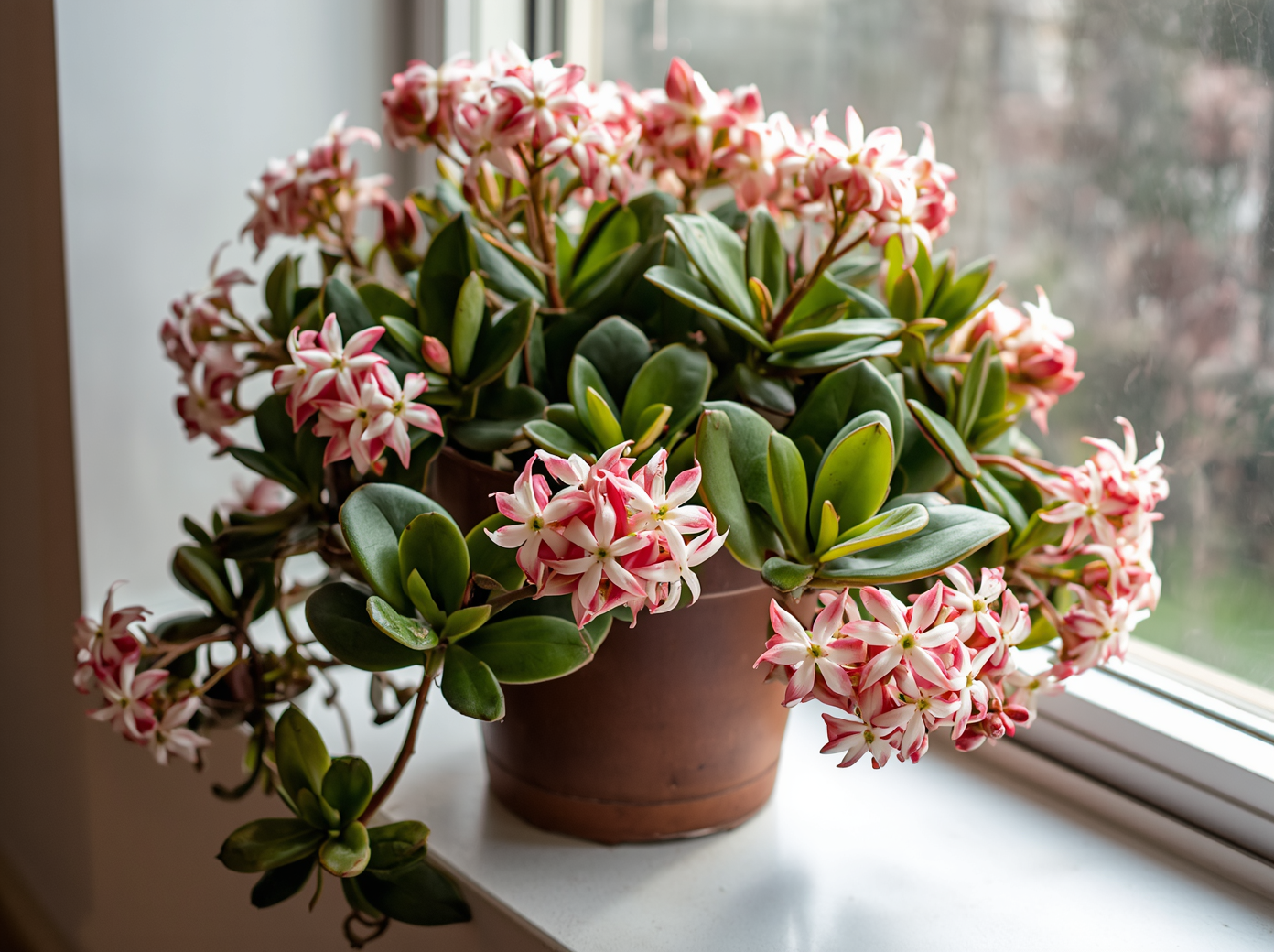
Hoyas, commonly known as wax plants, are among the most rewarding houseplants for patient, attentive growers. Their thick, waxy leaves give them a sculptural quality, their trailing or climbing growth habit creates beautiful cascading displays, and their flowers, when they come, are simply extraordinary: perfectly formed star-shaped clusters with a porcelain quality and often intensely sweet fragrance.
Hoyas have experienced an explosion in popularity over recent years, driven partly by collector culture and partly by the discovery that they are genuinely easy to care for once their specific needs are understood. With the right approach, hoyas live for decades and flower reliably each year.
Understanding Hoyas: Origins and Natural Habitat
The genus Hoya contains over 500 recognized species native primarily to tropical and subtropical Asia and Australia. They grow as epiphytes or lithophytes, clinging to tree branches or rocky surfaces with their aerial roots, in conditions of bright filtered light, high humidity, and excellent air circulation around their roots. This origin profile explains their care requirements: they need good drainage, benefit from high humidity, prefer bright indirect light, and need to dry out between waterings.
Light, Watering, and Soil
Light
Hoyas prefer bright indirect light, ideally from an east or west-facing window. They will grow in lower light but will flower less reliably. Flower production in hoyas is directly correlated with light levels. A hoya that has never flowered despite being mature should be moved to a brighter position as the first troubleshooting step.
Watering
Water when the top two to three inches of soil are dry in the growing season, approximately every seven to fourteen days. In winter, water very sparingly, roughly once a month. Hoyas are susceptible to root rot when their roots remain wet for extended periods.
Soil and Pots
Use a well-draining mix: 40 percent potting mix, 30 percent perlite, 20 percent orchid bark, and 10 percent coco coir. Terracotta pots are excellent because their porous walls help prevent overwatering. Hoyas prefer being somewhat root-bound; avoid pots much larger than the root ball.
Getting Hoyas to Flower: The Key Secrets
Never Remove Spent Flower Stalks (Peduncles)
This is perhaps the most important single piece of hoya advice: when a hoya finishes flowering, do not remove the flowering stalk called a peduncle. Hoyas reuse the same peduncle to produce flowers year after year. Removing it means the plant must spend energy producing a new one, potentially setting flowering back by a full season.
Other Flowering Triggers:
- Bright light is essential: move to the brightest position available in spring
- Allow slight root-binding: hoyas flower more reliably when moderately root-bound
- A brief winter drought: reduced watering and slightly cooler temperatures mimics native seasonal drought and stimulates spring flower bud formation
Best Hoya Varieties
Hoya carnosa — The Classic Wax Plant
The original wax plant and one of the easiest hoyas to grow and flower. Produces clusters of pink and white star-shaped flowers with an intense sweet fragrance, especially at night. Variegated forms including Tricolor and Krimson Queen are widely available and equally easy.
Hoya kerrii — The Sweetheart Hoya
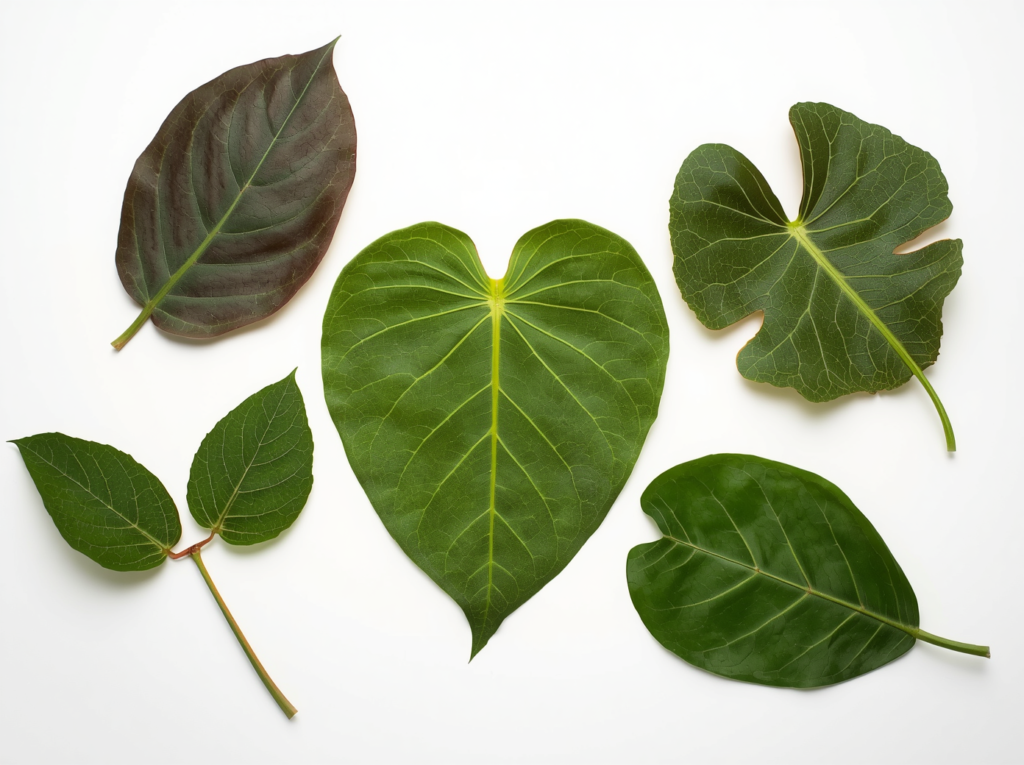
Famous for its perfectly heart-shaped leaves, sold extensively as a single-leaf plant. Important note: the single leaf will survive for years but never grow into a plant. Only cuttings with a piece of stem and a node will develop into full vining plants.
Hoya pubicalyx
A vigorous, fast-growing climbing hoya with dark green leaves speckled with silver. It flowers reliably in clusters of dark pink to burgundy flowers and is one of the most forgiving and easy-to-grow species.
Hoya australis
One of the most robust hoyas, native to Australia. It produces large clusters of white flowers with a red center and powerful sweet fragrance. Tolerant of lower humidity and slightly cooler temperatures than many Asian species.
Hoya obovata
Large, oval, succulent-like leaves that can develop attractive silver speckles in bright light. Produces clusters of pink flowers. More compact than many hoyas and excellent for shelves and tabletops.
Propagating Hoyas
Stem Cuttings in Water (Most Reliable)
- Take a cutting with two to three nodes, which are the bumps where leaves emerge
- Remove the lower leaf to expose the node that will root
- Place in water ensuring the node is submerged; keep in bright indirect light
- Change water weekly; roots appear in two to four weeks
- Transplant to soil when roots reach one to two inches in length
Stem Cuttings in Moist Perlite
Place node cuttings in moist perlite or a mix of perlite and coco coir. Cover with a clear plastic bag to maintain humidity. Roots form in three to six weeks. This method produces stronger initial roots than water propagation.