
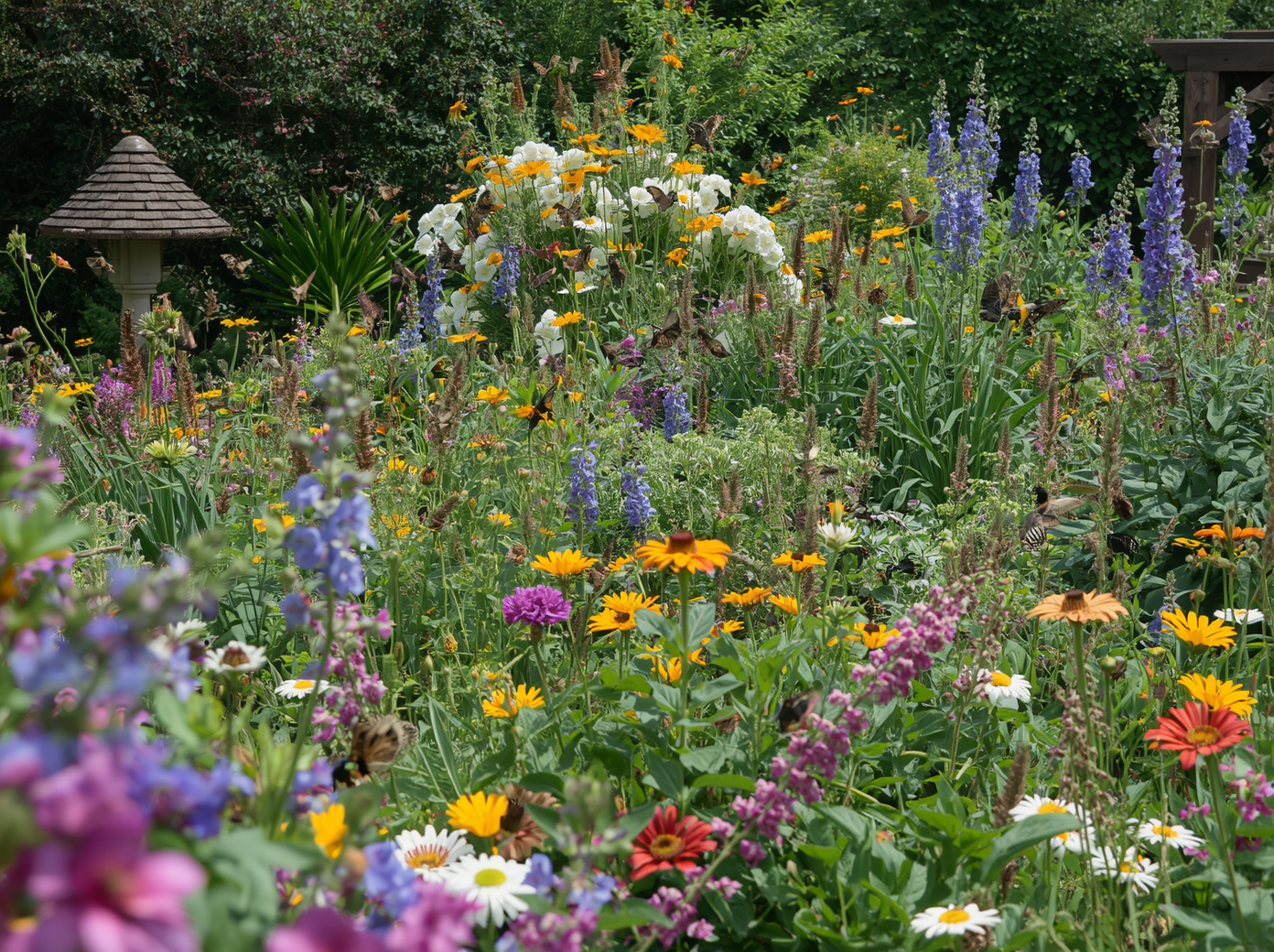
A wildlife garden is not an untidy, neglected space. It is a thoughtfully designed habitat that supports biodiversity while remaining beautiful. As natural habitats shrink globally, private gardens have become genuinely important refuges for birds, insects, amphibians, and small mammals. Creating a wildlife-friendly garden does not require sacrificing beauty or design. Many of the most pollinator-friendly plants are also among the most beautiful garden flowers.
The Foundation: Understanding What Wildlife Needs
Wildlife needs four basic things: food, water, shelter, and nesting sites. A successful wildlife garden provides all four simultaneously across the seasons. Most conventional gardens provide some food in summer through flowering plants but fail to provide food in winter, year-round water access, sheltered refuge from predators, or suitable nesting structures.
The Best Plants for Pollinators
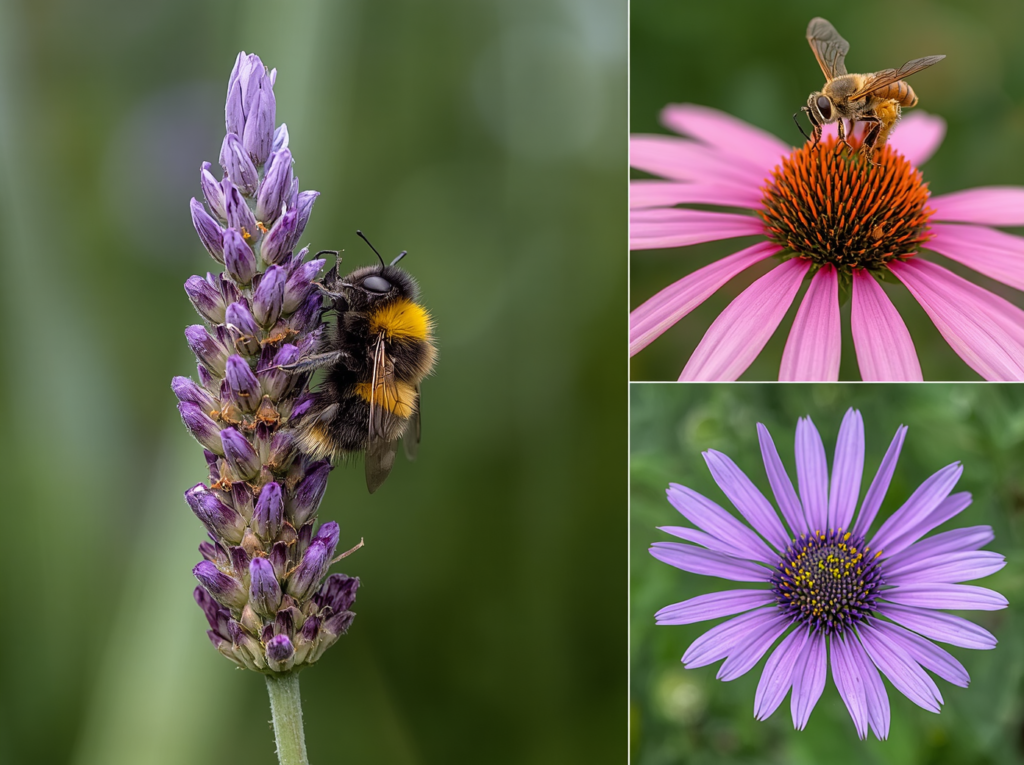
For Bees (the Most Important Pollinators):
Bees need accessible nectar and pollen from spring through late autumn. Plant a mix of flower shapes for different bee species and aim for continuous flowering from March to October.
- Spring: crocus, pulmonaria, hellebore, willow, fruit tree blossom
- Early summer: allium, foxglove, aquilegia, salvia, cranesbill geranium
- Midsummer: lavender, echium, scabious, catmint (Nepeta), phacelia, borage
- Late summer and autumn: echinacea, rudbeckia, aster, helenium, sedum Autumn Joy, ivy
For Butterflies:
Butterflies prefer flat-topped or open flowers where they can land and access nectar easily. They are particularly attracted to purple, pink, and lilac flowers.
- Butterfly bush (Buddleia): the classic butterfly magnet; prune hard in spring for best flowering
- Verbena bonariensis: tall, airy; covered in butterflies in late summer; self-seeds freely
- Marjoram (Origanum vulgare): excellent nectar plant; also a useful culinary herb
- Scabious (Knautia, Scabiosa): long flowering season; loved by many butterfly species
- Echinacea: midsummer to autumn; also provides seeds for birds in winter
For Hoverflies and Beneficial Insects:
Hoverflies are among the most important pollinators and their larvae are voracious aphid predators. They prefer open, flat flowers in the umbellifer family. Plant cow parsley, fennel, dill, angelica, and native wildflowers.
Plants for Birds
Berry-Bearing Plants for Winter Food:
- Rowan (Sorbus aucuparia): spectacular orange-red berries; stripped by thrushes in autumn
- Holly (Ilex aquifolium): red berries persist through winter; also provides nesting habitat
- Cotoneaster: profuse red or orange berries; attracts redwings and fieldfares in winter
- Elderberry (Sambucus nigra): black berries in early autumn; also excellent for wildlife insects
- Hawthorn (Crataegus): bright red haws; dense thorny growth provides excellent nesting and shelter
Seed-Bearing Plants for Autumn and Winter:
- Sunflower: leave seeds in the flower head for finches throughout winter
- Echinacea and rudbeckia: central seed cones persist through winter; loved by goldfinches
- Teasel (Dipsacus fullonum): tall architectural seed heads; goldfinches’ favorite winter food
- Ornamental grasses: seed heads persist into winter; excellent for buntings and sparrows
Water: Creating a Wildlife Pond or Bird Bath
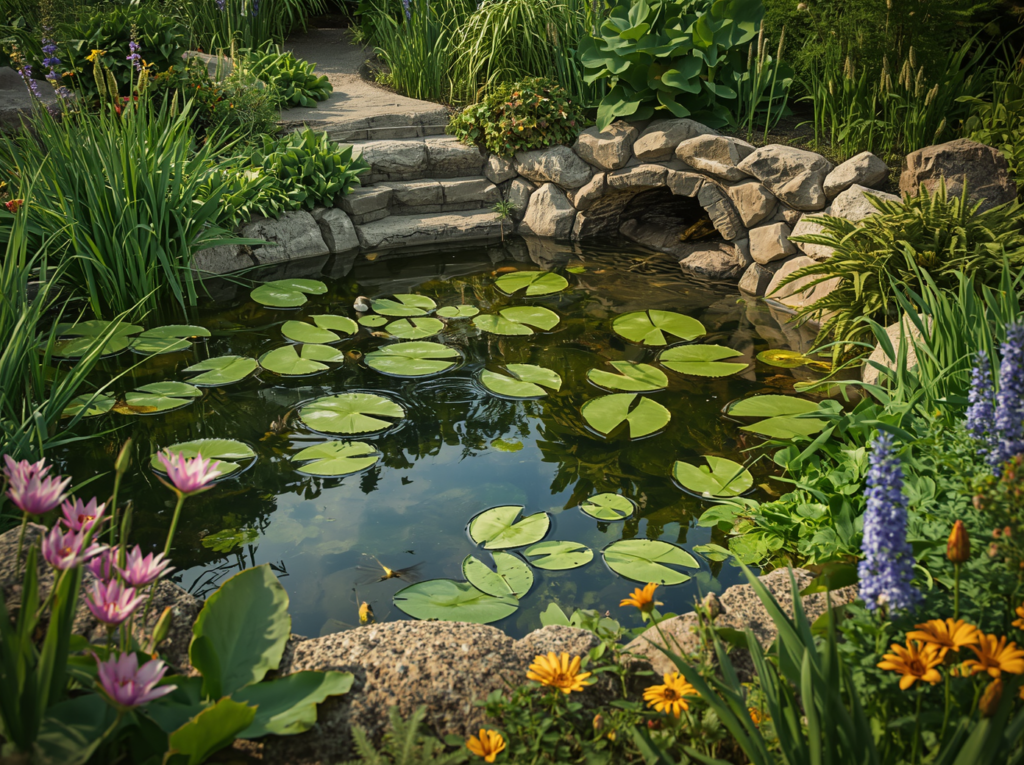
The Wildlife Pond
A pond is the single most impactful feature you can add to a wildlife garden. A pond of any size, even a half-barrel or large tub, will attract frogs, newts, dragonflies, damselflies, birds, and hedgehogs within weeks of creation.
- Choose a sunny position with minimum four to six hours of sun to prevent stagnation
- Ensure at least one gently sloping side to allow animals to enter and exit safely
- Do not use tap water; collect rainwater or fill and allow to stand two weeks
- Add oxygenating plants (hornwort, water starwort) to maintain water quality
- Add marginal plants (marsh marigold, water forget-me-not, yellow iris) around the edges
- No fish: fish eat tadpoles, dragonfly larvae, and all the invertebrates that make a pond valuable
Bird Baths
A bird bath provides drinking and bathing water for birds year-round. Place in a relatively open position so birds can see approaching predators. Keep it clean and topped up, especially in summer droughts and winter freezes.
Shelter and Nesting: Habitat Structures
Insect Hotels
Insect hotels provide nesting cavities for solitary bees, lacewings, and other beneficial insects. Fill a wooden frame with bundles of hollow bamboo stems, drilled wooden blocks, pinecones, straw, and moss. Place in full sun on a south-facing wall at one to two meters height.
Bird Boxes
Different bird species require specific box sizes and hole diameters. Small holes of 25mm suit blue tits and great tits; larger holes of 32mm suit sparrows and nuthatches; open-fronted boxes suit robins and wrens. Position out of direct midday sun, at two to four meters height, facing away from prevailing wind.
Log Piles
A pile of rotting logs is one of the richest wildlife habitats in any garden: home to stag beetles, centipedes, woodlice, fungi, mosses, slow worms, and ground-feeding birds. Tuck in a partially shaded corner and leave completely undisturbed indefinitely.
Avoiding Chemicals in the Wildlife Garden
Pesticides and herbicides have devastating effects on wildlife at every level of the food chain. A wildlife garden must be managed organically.
- Use physical barriers against pests rather than chemical controls wherever possible
- Encourage natural predators by providing habitat: ladybirds, lacewings, hedgehogs, ground beetles
- Tolerate some pest damage; caterpillars become butterflies; aphid colonies feed ladybirds
- Never use slug pellets containing metaldehyde or methiocarb, which are lethal to birds and hedgehogs
- Use iron phosphate slug pellets which are approved for organic use and safe for wildlife