
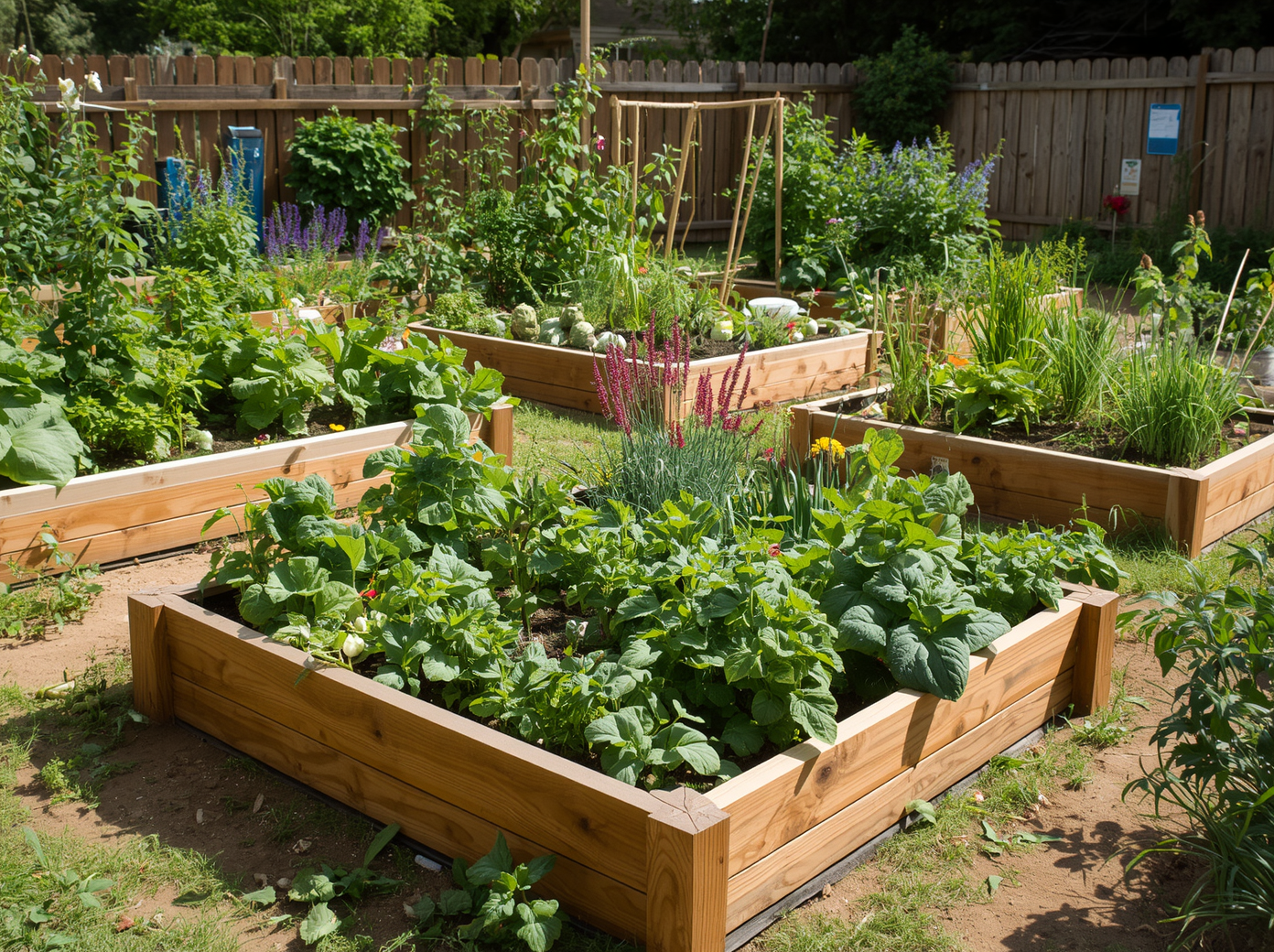
Raised bed gardening has transformed millions of gardens, and for good reason. Growing plants in framed beds filled with premium soil consistently outperforms growing in native ground soil in terms of productivity, ease, and plant health. Whether you are working with poor soil, limited space, physical limitations, or simply want the most productive, beautiful garden possible, raised beds deliver results.
This guide covers everything from building materials and construction to soil filling, planting strategies, and year-round maintenance.
Why Raised Beds Outperform In-Ground Growing
Superior Soil Control
In-ground gardens force you to work with whatever soil exists on your property, often clay-heavy, compacted, alkaline or acidic, depleted, or contaminated. Raised beds allow you to fill with the perfect growing medium for your chosen crops, regardless of what lies beneath.
Better Drainage
The elevated position allows excess water to drain away naturally, preventing the waterlogging that causes root rot and nutrient leaching. Even in heavy rainfall, raised beds rarely flood.
Warmer Soil
Raised beds warm up faster in spring than in-ground soil, extending the growing season by two to four weeks at either end. This is particularly valuable in short-season climates.
No Compaction
Because you never walk on the growing area, the soil stays loose and aerated. Plant roots penetrate freely, earthworm activity is high, and drainage remains good year after year.
Weed and Pest Management
Starting with fresh, weed-seed-free soil dramatically reduces weeding. The defined edges make it easy to lay weed-suppressing landscape fabric underneath. Raised height also deters some ground-level pests.
Choosing the Right Building Material
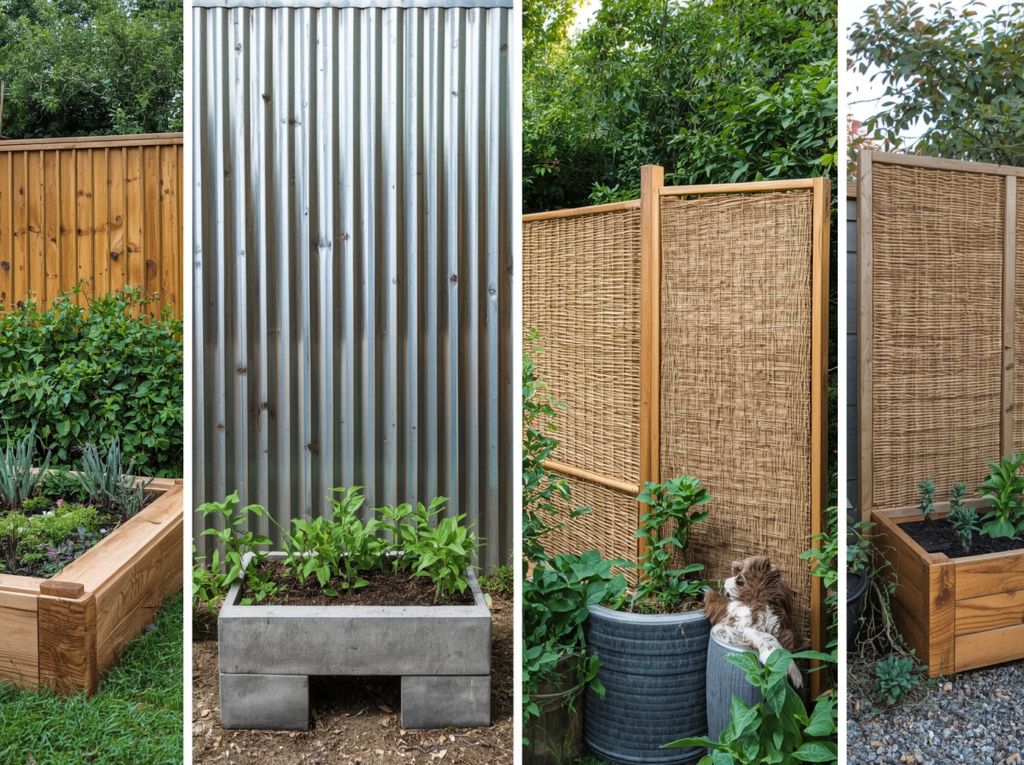
Untreated Cedar or Redwood — Best Overall
Cedar and redwood contain natural oils that resist rot and insect damage. Untreated cedar typically lasts ten to fifteen years or more, requires no chemical treatment, and is completely safe for food growing. It is the premium choice for vegetable gardens.
Treated Timber (ACQ or CA Treatment)
Modern pressure-treated timber uses copper-based preservatives (Alkaline Copper Quaternary or Copper Azole) that are approved for food-growing use and will not leach harmful chemicals into soil in concentrations that affect food safety. Avoid older CCA-treated timber (containing arsenic) which should not be used for edible gardens.
Galvanized Corrugated Metal
Corrugated galvanized steel raised beds have become extremely popular for their modern aesthetic and durability. They last 20 or more years, resist rust well, and warm the soil efficiently. They can get very hot in summer in exposed positions, which may stress heat-sensitive crops.
Concrete Blocks or Bricks
Permanent, extremely durable, and very heavy. Excellent for permanent installations. Blocks absorb and retain heat well, creating a warm microclimate beneficial for heat-loving crops.
Avoid:
- Old railway sleepers treated with creosote: highly toxic; will leach into soil
- Tires: may leach zinc and other compounds into soil
- CCA-treated wood: contains arsenic; not safe for food growing
Standard Raised Bed Dimensions
Width: Maximum Four Feet
Four feet (1.2 meters) wide is the standard maximum because it allows you to reach the center from either side without stepping on the bed. If the bed is against a wall or fence and accessible from only one side, limit width to two feet.
Length: As Long as You Like
Length is limited only by your space and budget. Standard lengths of four, six, eight, and twelve feet are common and correspond to standard lumber dimensions, reducing waste.
Height: Six to Twelve Inches Minimum
Six inches is adequate for most vegetables and allows some benefit over in-ground growing. Twelve inches is better for root vegetables and gives more insulation. Twenty-four inches or more creates a genuinely no-bend accessible garden ideal for people with mobility limitations.
The Perfect Raised Bed Soil Mix
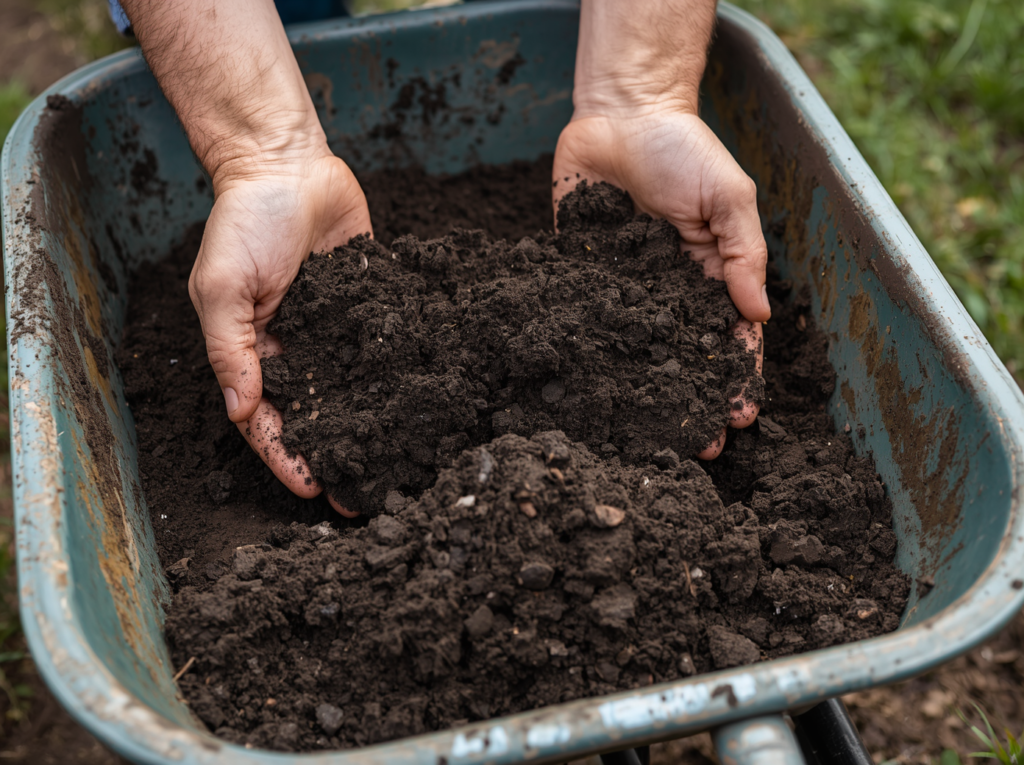
The most commonly recommended raised bed mix is the Mel’s Mix developed by Mel Bartholomew in his Square Foot Gardening system, though many excellent variations exist.
Classic Mel’s Mix (by Volume):
- One third blended compost (mix of at least three different compost sources if possible)
- One third coarse vermiculite (provides drainage, aeration, and moisture retention)
- One third peat moss or coco coir (moisture retention and structure)
Budget-Friendly Alternative:
- 40 percent quality topsoil
- 40 percent compost or well-rotted manure
- 20 percent perlite or horticultural grit
Avoid pure topsoil: it compacts readily when watered repeatedly. Always incorporate at least 40 percent organic matter (compost, manure) to maintain the loose, fertile structure that makes raised beds so productive.
Filling the Bed Economically:
For deep beds of 18 inches or more, fill the bottom half with inexpensive bulk organic material such as logs, sticks, cardboard, and rough compost in a technique called hugelkultur. This slow-rotting material improves drainage, adds nutrients over time, and reduces the amount of premium mix needed at the top.
What to Grow in Raised Beds
Best Crops for Raised Beds:
- Salad greens (lettuce, rocket, spinach, mixed leaves): incredibly productive in small spaces; sow successively every two to three weeks for continuous harvest
- Root vegetables (carrots, parsnips, beetroot, radishes): benefit enormously from deep, stone-free, loose raised bed soil
- Tomatoes, peppers, and aubergines: thrive in the warm, nutrient-rich conditions
- Courgettes and squash: extremely productive in fertile raised bed soil; need space
- Beans and peas: climbing varieties maximize vertical space; heavy croppers in fertile soil
- Brassicas (kale, cabbage, broccoli, cauliflower): benefit from the ability to net against cabbage white butterfly
- Cut flowers (zinnias, dahlias, cosmos, sweet peas): raised beds produce exhibition-quality blooms
Intensive Planting and Succession Growing
Raised beds reward intensive planting strategies that would fail in poorer in-ground soil. The Square Foot Gardening method divides the bed into a grid of one-foot squares, with each square planted with a specific number of plants based on their mature size. A single four-by-four foot raised bed using this method can produce a surprisingly large harvest.
Succession Planting:
Instead of planting an entire row of lettuce at once and having it all mature simultaneously, plant a small amount every two to three weeks. This produces a continuous, manageable harvest rather than a glut. Succession planting is most effective for fast-growing crops like salad leaves, radishes, herbs, and spring onions.
Raised Bed Maintenance Through the Seasons
Spring:
- Top-dress with two to three inches of compost before the first sowings
- Check bed for frost damage and repair any loose boards
- Sow early crops under cloches: salads, radishes, spring onions
Summer:
- Water consistently; raised beds dry faster than in-ground soil in heat
- Feed hungry crops like tomatoes and squash with liquid potassium feed fortnightly
- Weed regularly; raised beds have fewer weeds but some will establish
Autumn:
- Remove spent crops and add to compost
- Sow winter crops: garlic, overwintering onions, hardy salads
- Apply a thick mulch of compost or well-rotted manure over empty beds
Winter:
- Cover with cloches or fleece to protect hardy crops and warm soil for early spring
- Repair any damaged bed frames
- Order seeds for the coming season and plan crop rotations
Crop Rotation in Raised Beds
Even in raised beds, crop rotation matters. Growing the same plant family in the same bed year after year builds up soil-borne diseases specific to that family and depletes particular nutrients. Rotate crops through at least a three-year cycle: brassicas, followed by root vegetables, followed by fruiting crops such as tomatoes and squash, with legumes such as beans and peas in a fourth bed to fix nitrogen back into the soil.