
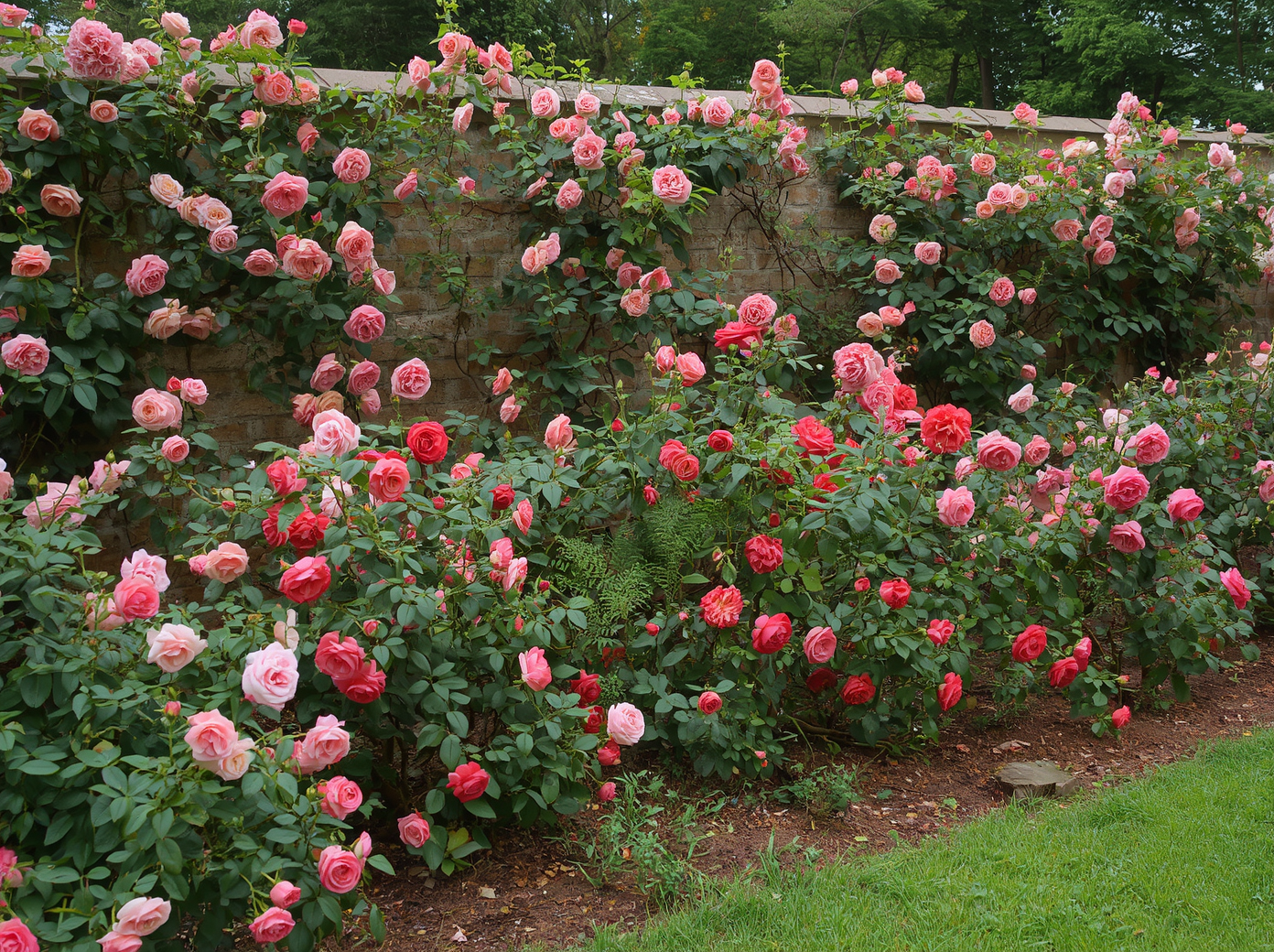
Roses are the most iconic flowers in the world, with a history of cultivation spanning over 5,000 years. From the simple five-petaled wild rose to the extravagantly ruffled blooms of English roses, the genus Rosa encompasses extraordinary diversity. Modern breeding has produced varieties that combine classical beauty with disease resistance, repeat flowering, and adaptability that would have been unimaginable to earlier generations of gardeners.
The reputation of roses for being difficult is largely a legacy of older varieties that were indeed disease-prone and demanding. Modern shrub roses and English roses require far less maintenance and are genuinely well within the capabilities of any beginner.
Choosing the Right Rose for Your Garden
Hybrid Tea Roses
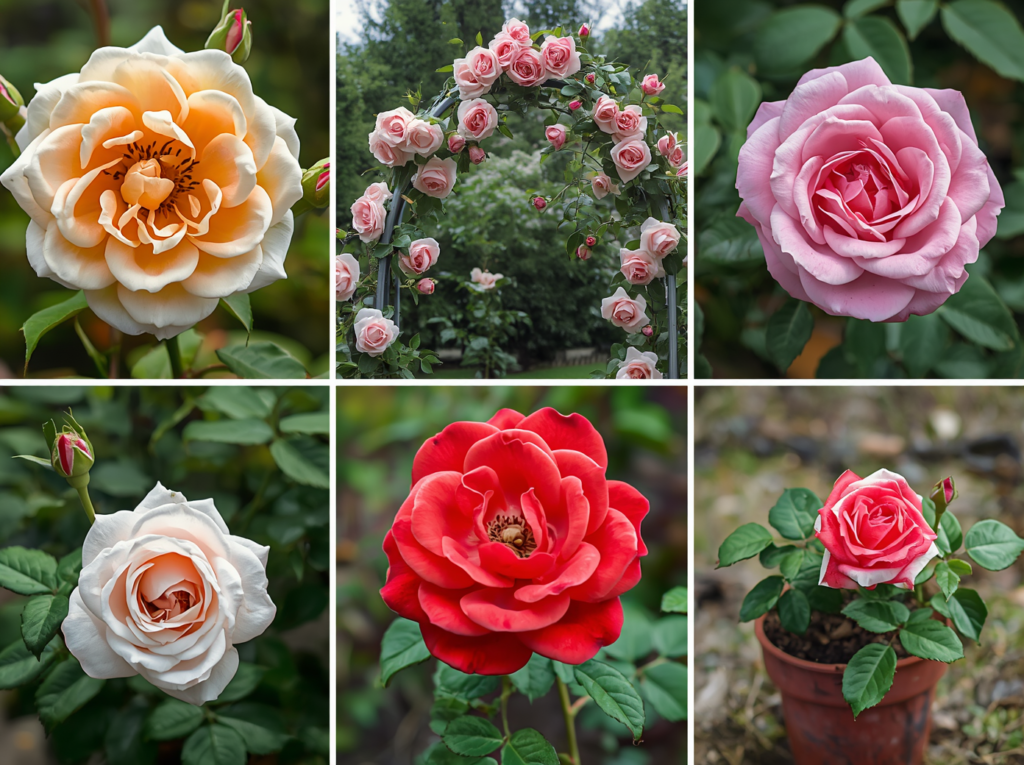
The classic long-stemmed cutting rose with a high-centered bud and single large flower per stem. They produce the most elegant individual blooms and are the roses used in the cut-flower trade. They are repeat-flowering but require more attention to pruning, feeding, and disease prevention than modern shrub roses.
Floribunda Roses
Floribundas produce clusters of smaller blooms on each stem, creating a prolific, colorful display. They are generally more disease-resistant than hybrid teas and flower more continuously. Excellent for garden beds and borders.
English Roses (David Austin)
The most popular roses for modern gardens, English roses combine the classical cupped or quartered form and fragrance of old garden roses with the repeat-flowering habit of modern varieties. The David Austin breeding program has produced hundreds of named varieties ranging from compact bushy plants to large shrubs and climbers. Varieties like Gertrude Jekyll, Olivia Rose Austin, and The Generous Gardener are among the best garden performers.
Climbing and Rambling Roses
Climbers produce large flowers repeatedly throughout the season on long, flexible canes that must be trained against a support. Ramblers produce large clusters of small flowers once a year in early summer. Both are spectacular trained on walls, arches, pergolas, and fences.
Shrub Roses
A broad category of robust, often disease-resistant roses that form large, arching shrubs. Many produce beautiful single or semi-double flowers followed by decorative hips in autumn. Excellent for wildlife gardens and low-maintenance situations.
Planting Roses
When to Plant:
- Bare-root roses (November to March): plant during dormancy; less expensive; wide variety availability
- Container-grown roses (any time of year): most flexible; best planted in spring or autumn to reduce transplant stress
Choosing a Planting Site:
- Minimum six hours of direct sun; roses in shade produce fewer flowers and more disease
- Good air circulation: reduces fungal disease
- Avoid planting near large tree roots that compete for water and nutrients
- Deep, well-draining, fertile soil; pH 6.0 to 6.5
Planting Process:
- Dig a hole wider and deeper than the root system
- Incorporate a generous amount of compost or well-rotted manure into the planting hole
- For grafted roses, plant so the bud union (swelling where the cultivar was grafted) sits just below soil level in cold climates, or just above in warmer climates
- Firm in well and water thoroughly
- Mulch a two-inch layer of compost or bark around (not touching) the base
Pruning Roses: The Essential Skill
Why Pruning Matters
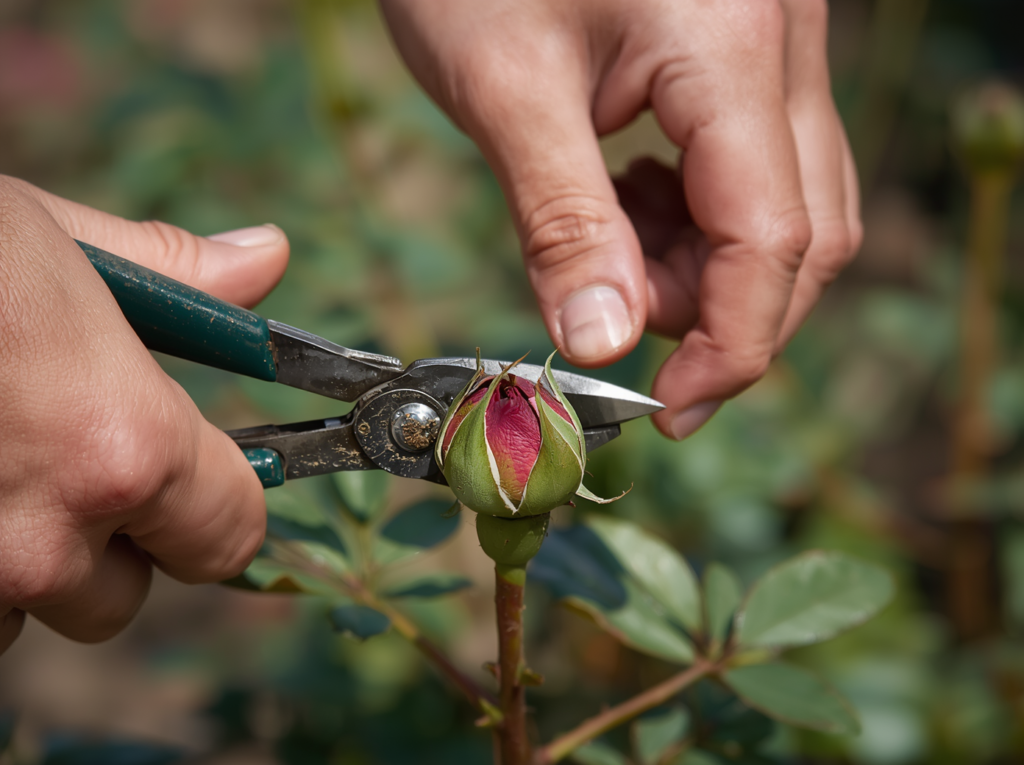
Pruning removes dead, diseased, and crossing wood; opens the center of the plant to light and air circulation; and stimulates vigorous new growth that produces the best flowers. Roses that are never pruned gradually deteriorate in vigor and flower quality.
When to Prune:
- Hybrid teas and floribundas: early spring, just as buds begin to swell, typically February to March
- English and shrub roses: same timing; lighter pruning required
- Climbing roses: after their main flush; remove three to five-year-old canes to the base
- Ramblers: immediately after their once-a-year summer flowering
How to Prune Hybrid Teas and Floribundas:
- Step 1: Remove all dead, diseased, and damaged stems completely
- Step 2: Remove any crossing or rubbing stems
- Step 3: Cut remaining healthy stems to outward-facing buds at 12 to 18 inches for hybrid teas, slightly higher for floribundas
- Step 4: Make clean, angled cuts at 45 degrees, slanting away from the bud
- Step 5: Aim for an open, vase-shaped framework
The tools matter: use sharp, clean bypass secateurs (not anvil secateurs, which crush rather than cut) and sterilize between plants to prevent disease transfer.
Feeding Roses for Maximum Flowering
Roses are hungry plants and repay generous feeding with exceptional flower production. A dedicated feeding program makes the difference between a good rose garden and a spectacular one.
Feeding Schedule:
- Early spring (at pruning time): apply a specialist rose fertilizer or balanced granular fertilizer around the base
- Just before the first bloom: liquid feed with high-potassium tomato feed to support flower development
- After the first flush fades: granular rose feed to promote the repeat-flowering cycle
- Midsummer: final liquid feed
- After August: stop feeding; late feeding encourages soft growth vulnerable to frost
Deadheading for Repeat Flowering:
Remove spent flowers regularly on repeat-flowering varieties to prevent the plant from setting seed, which diverts energy from producing new flowers. Cut back to the first outward-facing leaf with five leaflets. Deadheading can easily double the flowering period of a rose.
Rose Pests and Diseases
Black Spot (Diplocarpon rosae)
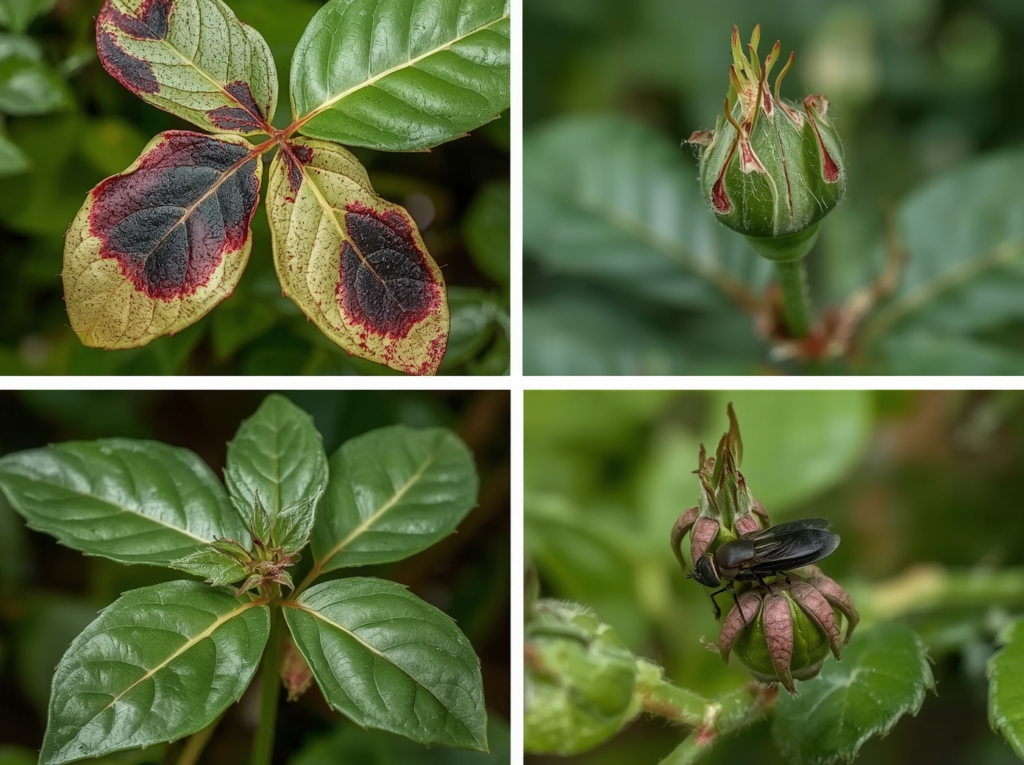
The most common rose disease worldwide. Black, irregular spots with yellow halos on leaves, leading to early leaf drop and weakened plants. Spray with a fungicide containing myclobutanil or tebuconazole at the first signs, and preventatively in high-risk conditions. Collect and dispose of fallen leaves rather than composting them. Choosing resistant varieties is the most effective long-term solution.
Aphids (Greenfly)
Dense colonies of small green or pink insects on new shoots and flower buds, sucking sap and causing distortion. Early infestations can be removed by hand or with a strong jet of water. For larger infestations, apply insecticidal soap or neem oil. Encourage ladybirds, lacewings, and birds, which are natural aphid predators.
Rose Sawfly
The larvae of rose sawfly roll themselves inside leaves or skeletonize leaves from underneath. Check leaves regularly and remove larvae by hand. For heavy infestations, spray with pyrethrin-based insecticide.
Powdery Mildew
White powdery coating on new shoots and leaves, typically in hot, dry conditions. Ensure adequate water at the root zone; mildew is often triggered by drought stress. Spray with potassium bicarbonate or sulfur-based fungicide.
Best Low-Maintenance Roses for Beginners
- Olivia Rose Austin (David Austin): soft pink; excellent disease resistance; continuous flowering
- Absolutely Fabulous (Floribunda): yellow; exceptional disease resistance; long-flowering
- Ballerina (Hybrid Musk shrub): single pink flowers in clusters; extremely hardy; near zero maintenance
- Rosa rugosa varieties: extremely tough; fragrant; beautiful hips; excellent ground cover
- Bonica (Shrub): pink; bred for disease resistance; hardy; ideal for hedging
- Easy Does It (Floribunda): orange and peach; exceptionally disease-resistant; prolific