
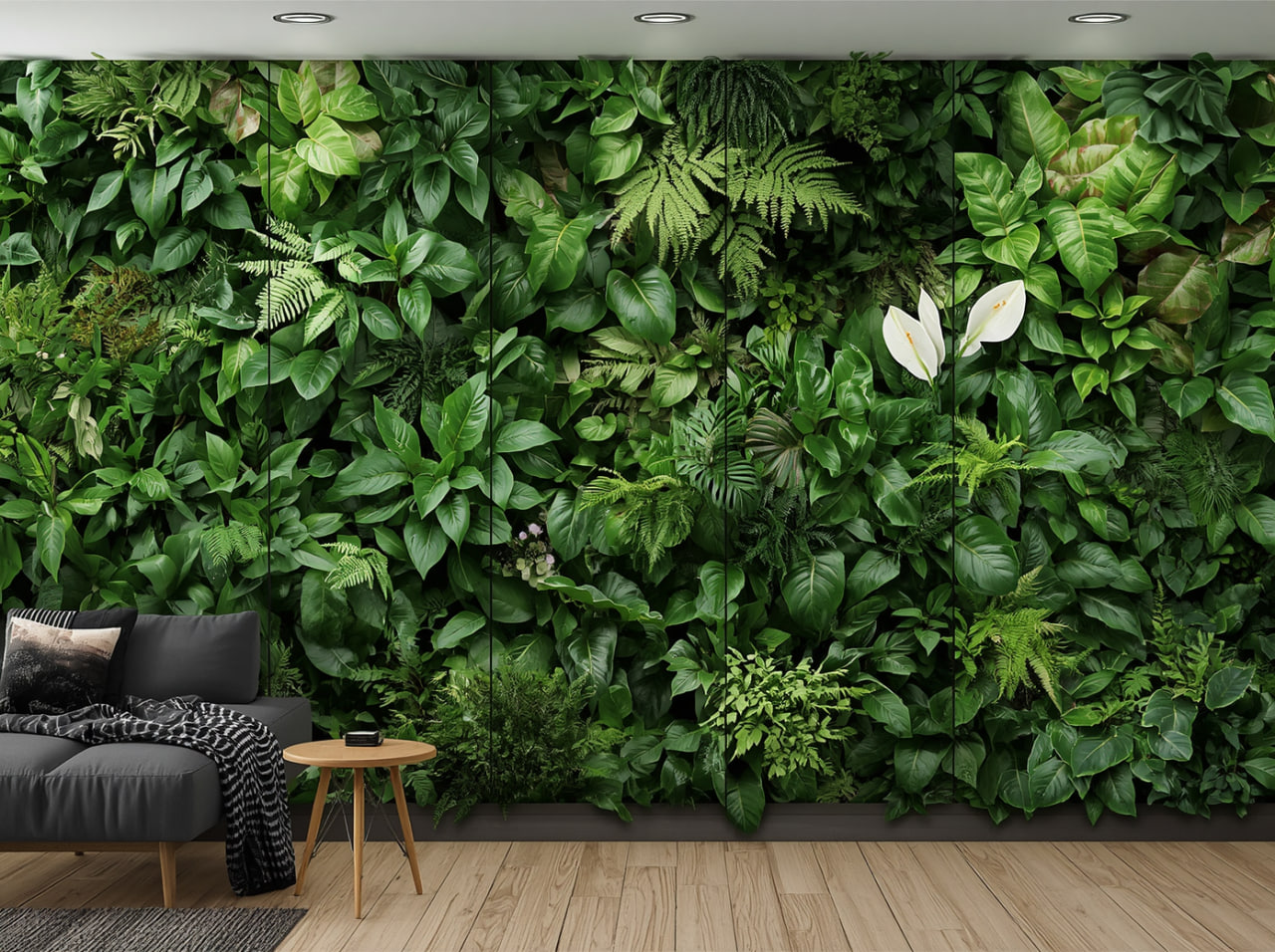
Vertical gardens, also called living walls or green walls, represent one of the most dramatic and space-efficient ways to bring plants into any environment. Whether you imagine a full-wall installation in your living room, a productive herb garden on a kitchen wall, a privacy screen on your balcony, or a feature wall in a small apartment, vertical gardening transforms underused wall space into vibrant, living art.
The benefits extend beyond aesthetics: living walls insulate buildings and reduce heating and cooling costs, reduce noise, improve air quality, and create measurable psychological benefits for occupants.
Types of Vertical Garden Systems
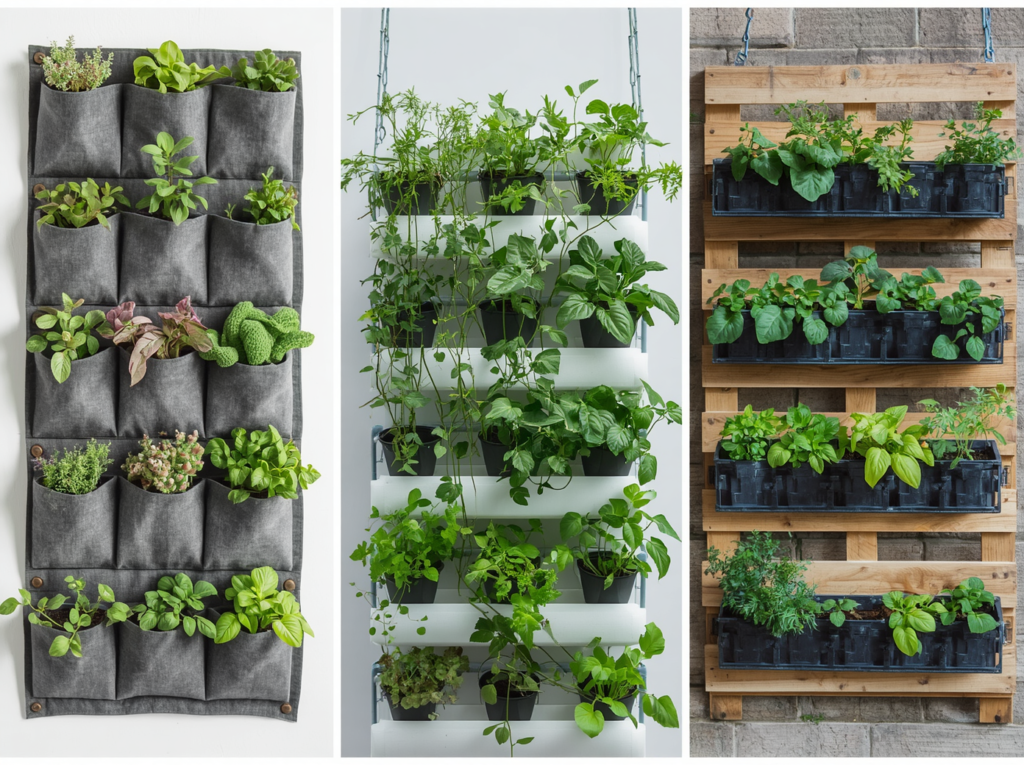
1. Pocket Planters (Most Affordable)
Fabric pocket planters are the easiest and most affordable vertical garden system. These wall-mounted panels contain multiple planting pockets that hold individual plants, typically 20 to 50 plants per panel. They are lightweight, breathable to prevent root rot, and easy to reconfigure.
- Cost: $20 to $80 per panel
- Best for: herbs, small succulents, trailing plants, strawberries, small annuals
- Installation: hangs on standard hooks or screws on any wall
2. Modular Tile Systems
Modular living wall systems consist of individual planting tiles or trays that interlock or mount independently on a wall grid. Each tile holds multiple plants and tiles can be arranged, rearranged, or removed individually. Higher-end systems include integrated irrigation.
- Cost: $200 to $2,000 or more depending on scale and brand
- Best for: diverse plant mixes; dramatic design statements; long-term installations
- Weight: heavier than pocket systems; may require professional installation for large installations
3. Pallet Gardens
A repurposed wooden pallet can be quickly transformed into a vertical garden with landscaping fabric stapled to the back and slats as planting shelves. It is an attractive, rustic-looking system ideal for herbs, succulents, and small annuals on balconies and patios.
- Cost: near-zero since pallets are often free
- Durability: limited; wood rots within two to three years; treat with weatherproof sealant
4. Trellis with Climbers
The simplest vertical garden is a trellis with climbing plants trained up it. A wooden, bamboo, or metal trellis fixed to a wall provides structure for climbing plants to grip and ascend. Over time, the trellis disappears beneath a living curtain of foliage and flowers.
- Best climbing plants: clematis, climbing roses, jasmine, passionflower, climbing hydrangea, ivy
5. Hydroponic Living Walls
Advanced hydroponic systems deliver a nutrient solution directly to plant roots through a recirculating pump system with no soil at all. These systems require more initial investment but produce rapid, lush growth and are the basis of most large commercial installations.
Best Plants for Vertical Gardens
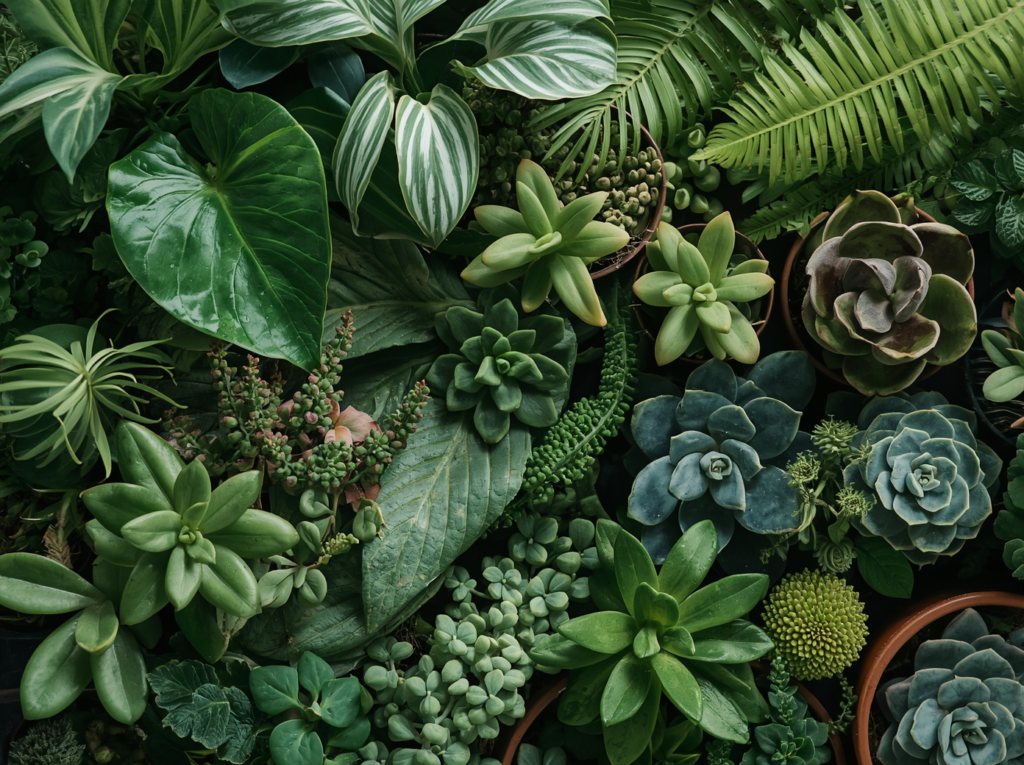
Indoor Living Walls:
- Pothos (Epipremnum aureum): fastest growing; extremely resilient; excellent trailer
- Heartleaf Philodendron: similar to pothos; slightly larger leaves; adaptable
- Ferns (Boston, button, maidenhair): lush texture; needs higher humidity
- Peperomia: diverse textures; compact; drought-tolerant; excellent for pockets
- Air plants (Tillandsia): no soil needed; mount directly on boards; very low maintenance
- Peace lily: shade-tolerant; flowering; excellent air purifier
Outdoor Living Walls:
- Sedum: drought-tolerant; colorful; perfect for exposed sunny walls
- Sempervivum: frost-hardy; architectural rosettes; virtually maintenance-free
- Creeping jenny (Lysimachia): fast-spreading; golden trailing foliage
- Thyme (creeping varieties): fragrant; drought-tolerant; attracts pollinators
Herb Walls (Kitchen):
- Basil, mint, chives, parsley, thyme, and oregano: practical and beautiful
- Herbs need at least six hours of light daily, an essential consideration for placement
How to Build a DIY Pocket Planter Wall (Step-by-Step)
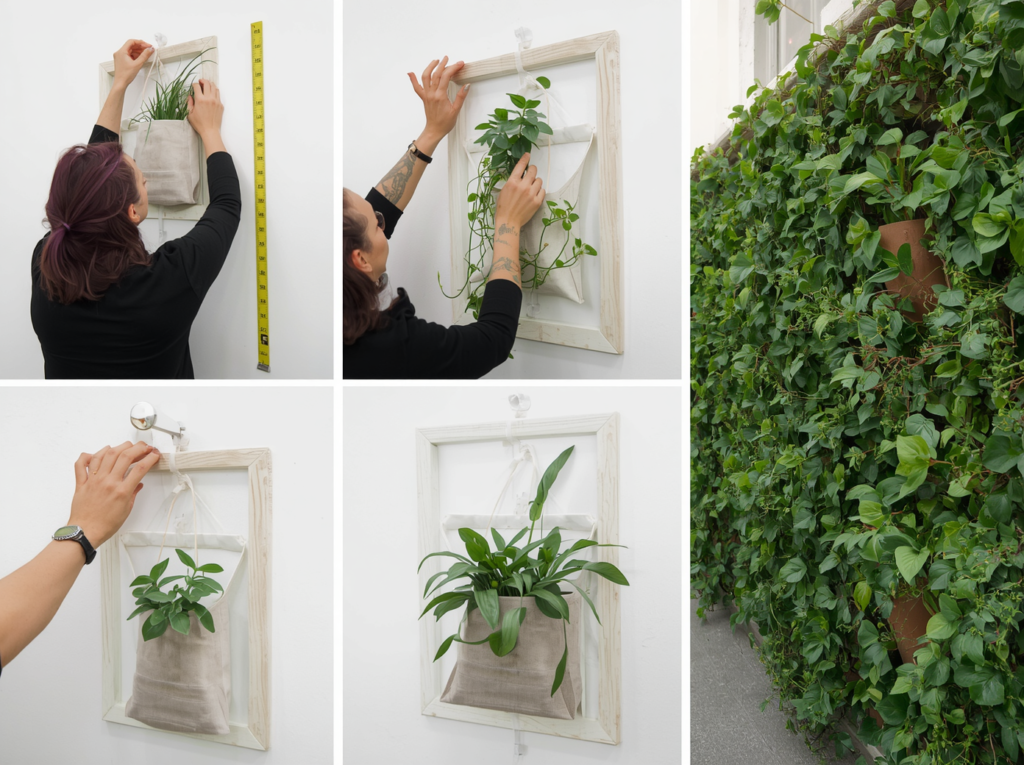
Step 1: Choose the Right Wall Location
For indoor walls, position near a window for maximum natural light, or plan for supplemental grow lighting. Assess the wall surface as drywall, concrete, and tile all require different anchor types.
Step 2: Install the Mounting Hardware
Fabric pocket planters typically hang from a mounted horizontal rod or hook system. Use appropriate wall anchors for your wall type, which is especially important for walls that will eventually bear the weight of saturated soil.
Step 3: Prepare Your Plants
Choose plants appropriate to your light conditions and watering frequency. Remove plants from nursery pots and gently loosen roots. For small pockets, you may need to trim the root ball slightly to fit.
Step 4: Plant the Pockets
Working from top to bottom, fill each pocket with a small amount of potting mix, insert the plant, and fill around the roots. Firm gently. Do not overfill. Leave space at the top for watering. Plant densely for an immediately full appearance.
Step 5: Water and Establish
Water thoroughly after planting. In the first two to four weeks, water more frequently than you eventually will because plants need consistent moisture while establishing.
Watering Vertical Gardens: The Biggest Challenge
Watering is the most demanding aspect of vertical garden maintenance. Gravity works against you as water runs down and out quickly. Upper pockets dry faster than lower ones. On hot days, pockets can dry out in hours.
Watering Solutions:
- Manual watering with a drip irrigation wand: most precise; most time-consuming
- Drip irrigation system: small tubes deliver water to each pocket automatically; connect to a timer for hands-free maintenance
- Self-watering panels with reservoirs: advanced systems with built-in water storage
Reducing Watering Frequency:
- Mix water-retaining gel crystals into potting mix
- Choose drought-tolerant plants such as succulents and air plants for unirrigated systems
- Ensure pockets have adequate volume as larger pockets hold more moisture
Maintenance Schedule for Living Walls
Weekly:
Water thoroughly; inspect for pests; remove dead or yellowing leaves; check that all plants are well-anchored in pockets.
Monthly:
Apply diluted liquid fertilizer or ensure slow-release granules are replenished every three to four months; trim fast-growing plants that are overrunning neighbors; assess which plants are thriving and which need replacement.
Seasonally:
Replace any plants that have declined; refresh potting mix in pockets that have become compacted; deep-clean irrigation systems to prevent clogging; reassess light levels as seasons change and days shorten or lengthen.