
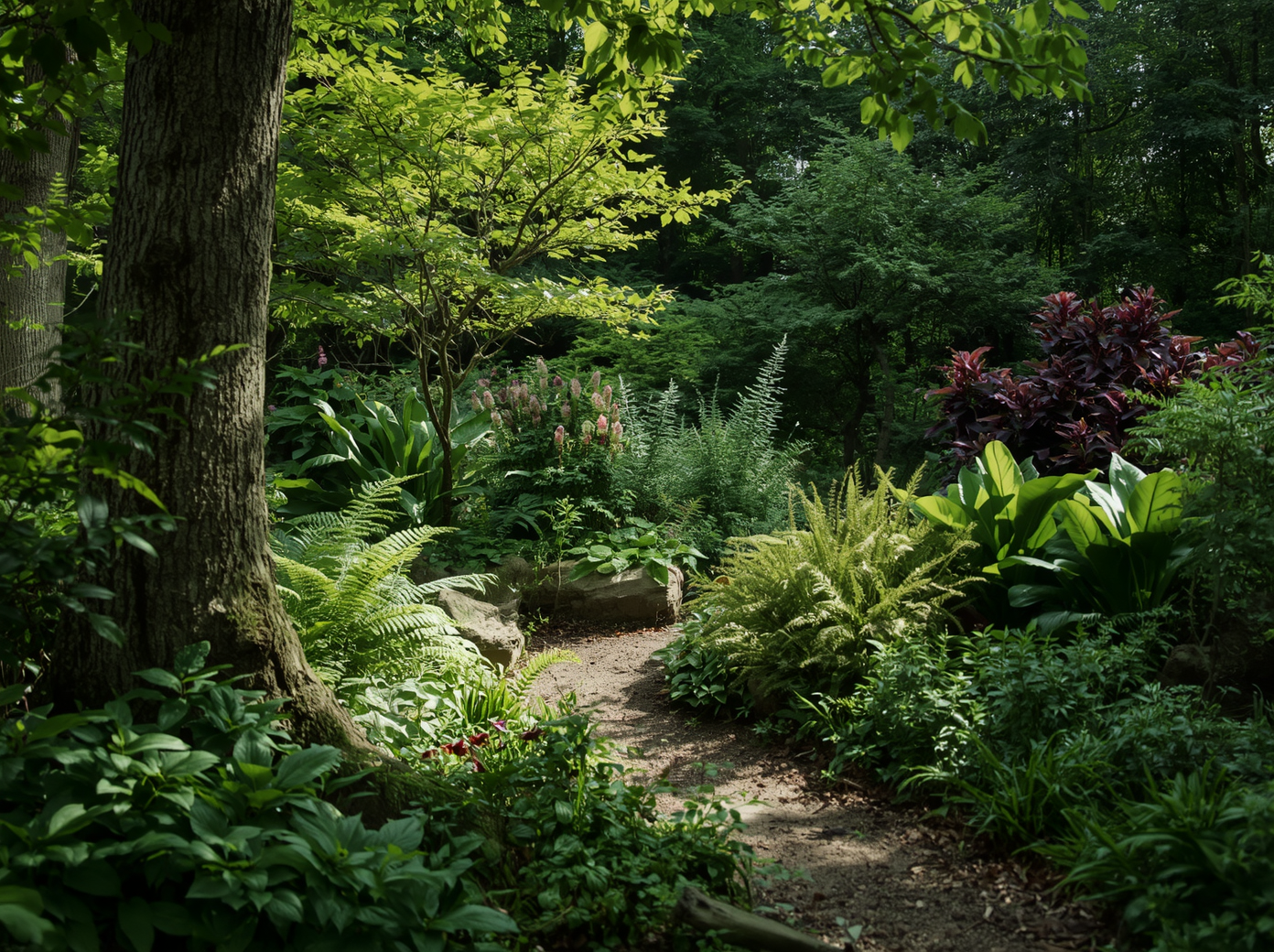
A shady garden isn’t a gardening obstacle — it’s an opportunity. While sun-worshippers like roses and sunflowers demand open skies, a vast world of beautiful plants evolved specifically for the cool, filtered light of forest floors, sheltered courtyards, and north-facing beds. These shade plants often boast extraordinary leaf textures, striking colors, and delicate flowers that would bleach and wither in full sun.
Whether you’re working with deep shade under dense tree canopies, partial shade from a fence or building, or dappled light filtering through leaves, this guide gives you 20 of the finest options — organized by shade tolerance and growing conditions.
Understanding Shade: Not All Darkness Is Equal
Full Shade
Less than 3 hours of direct sun per day, with no direct midday sun. Typically found under dense tree canopies, on north-facing walls, or inside covered patios. Only the most shade-tolerant plants thrive here.
Partial Shade / Dappled Shade
3–6 hours of sun per day, often filtered through leaves or reaching the area only in morning or late afternoon. The most common shade condition and supports the widest plant selection.
Light Shade
Bright, indirect light for most of the day with perhaps 1–2 hours of gentle direct sun. Many sun-loving plants tolerate this with some adjustments.
For Full Shade
1. Hosta — The King of Shade
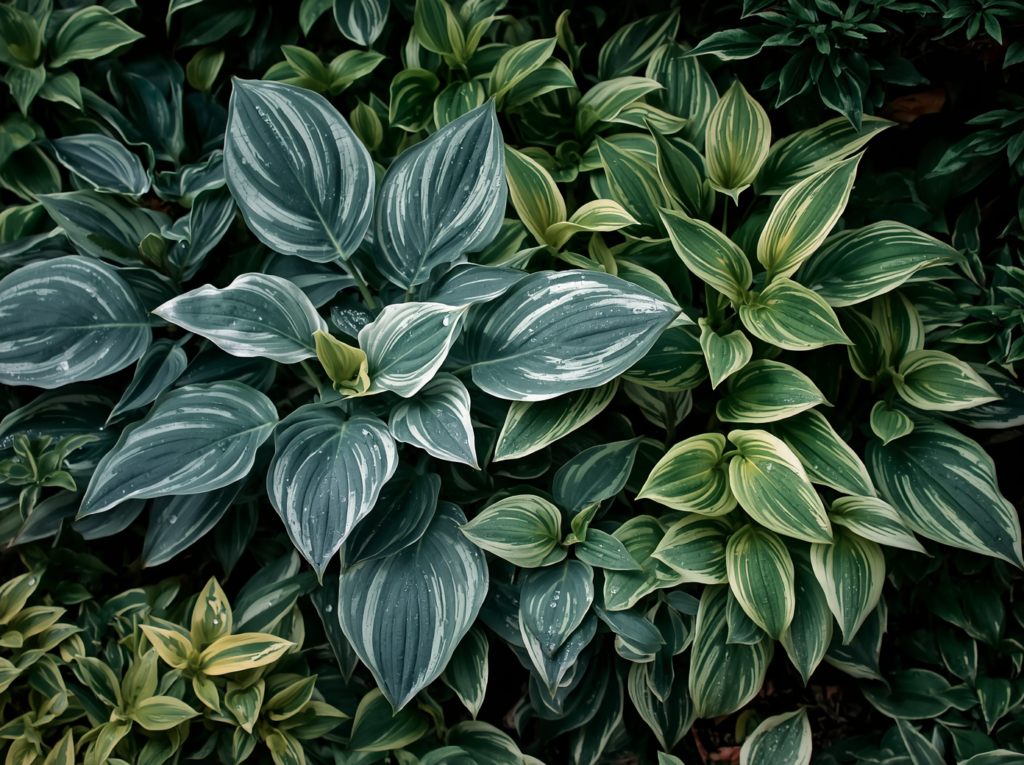
No shade plant list is complete without hostas. These architectural perennials are grown primarily for their spectacular foliage — enormous leaves in shades of blue-green, gold, cream-edged, and dark forest green. Some varieties grow to 4 feet wide with leaves the size of dinner plates, creating a dramatic textural statement in any shaded corner.
Key Varieties:
- ‘Halcyon’ — medium blue-gray leaves; slug-resistant; excellent for containers
- ‘Sum and Substance’ — enormous yellow-green leaves; up to 4 feet wide
- ‘Patriot’ — white-edged green leaves; classic contrast for dark corners
- ‘June’ — gold center with blue-green margins; brightens deep shade
Hostas die back completely in winter and re-emerge each spring, growing larger every year. They’re exceptionally long-lived — a well-placed hosta can thrive for 20+ years.
2. Astilbe — Feathery Plumes of Color
Astilbes produce stunning plume-like flowers in white, pink, red, and purple above ferny, deeply divided foliage. They’re one of the few perennials that flower reliably in shade (June–August depending on variety) and tolerate moist to wet soil — ideal for shady areas near ponds or in heavy clay.
3. Japanese Forest Grass (Hakonechloa macra)
This graceful ornamental grass creates cascading mounds of golden or variegated leaves that glow even in deep shade. Unlike most ornamental grasses that need full sun, Japanese forest grass is at its most vivid in partial to full shade, where its golden tones provide light in dark corners. It’s one of the most elegant shade plants available.
4. Dead Nettle (Lamium maculatum)
Dead nettle is a fast-spreading ground cover with silver-patterned leaves and small pink or white flowers. It’s invaluable for covering large shaded areas under trees where little else will grow, tolerating dry shade — one of the most challenging conditions in gardening.
For Partial Shade
5. Hellebore (Lenten Rose) — Winter and Spring Bloomer
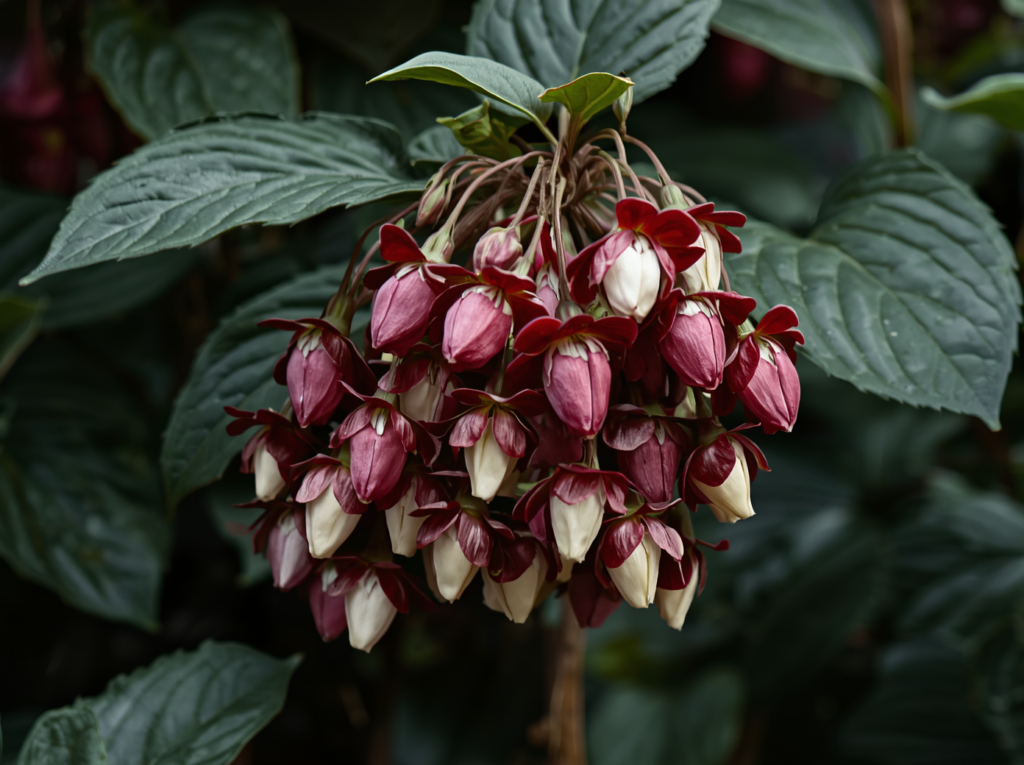
Hellebores are extraordinary — they bloom from January through April in most temperate climates, providing color when the rest of the garden sleeps. The nodding flowers in burgundy, white, pink, cream, and black-purple hang like elegant bells above leathery, dark green foliage. They’re evergreen, long-lived, and virtually pest-free.
6. Foxglove (Digitalis) — Towering Cottage Garden Classic
Foxgloves send up dramatic spires of tubular flowers in white, pink, purple, and cream to 5 feet tall, providing magnificent vertical interest in partial shade. Technically biennial (flowering in their second year), they self-seed prolifically and naturalize beautifully in woodland-style gardens.
7. Bleeding Heart (Dicentra spectabilis)
The bleeding heart is one of spring’s most beloved shade plants, producing arching stems hung with perfectly heart-shaped pink and white flowers. It blooms in late spring and then goes dormant in summer heat — a characteristic to plan around by underplanting with summer-active shade perennials.
8. Coral Bells (Heuchera) — The Foliage Rainbow
Modern heuchera cultivars offer an extraordinary range of foliage colors: bronze, silver, burgundy, caramel, lime green, and near-black. They provide year-round interest in partial shade and produce delicate wand-like flowers that attract hummingbirds. Heucheras are excellent for mixing textures and colors throughout the shaded border.
9. Ajuga (Bugleweed) — Fast Ground Cover
Ajuga is a rapid-spreading ground cover that suppresses weeds effectively in partial shade. It produces short spikes of blue-purple flowers in spring above glossy, often bronze-tinted leaves. Excellent under shrubs or as an edging plant along shaded paths.
10. Impatiens — The Classic Summer Shade Bedder
Few plants provide such reliable, vibrant summer color in shade as impatiens. Available in every shade of red, orange, pink, white, and coral, they bloom continuously from planting until frost with minimal deadheading. While technically tender annuals (needing replanting each year), their performance in shade is unmatched.
Shade Shrubs for Structure
11. Rhododendron / Azalea — Spectacular Spring Display
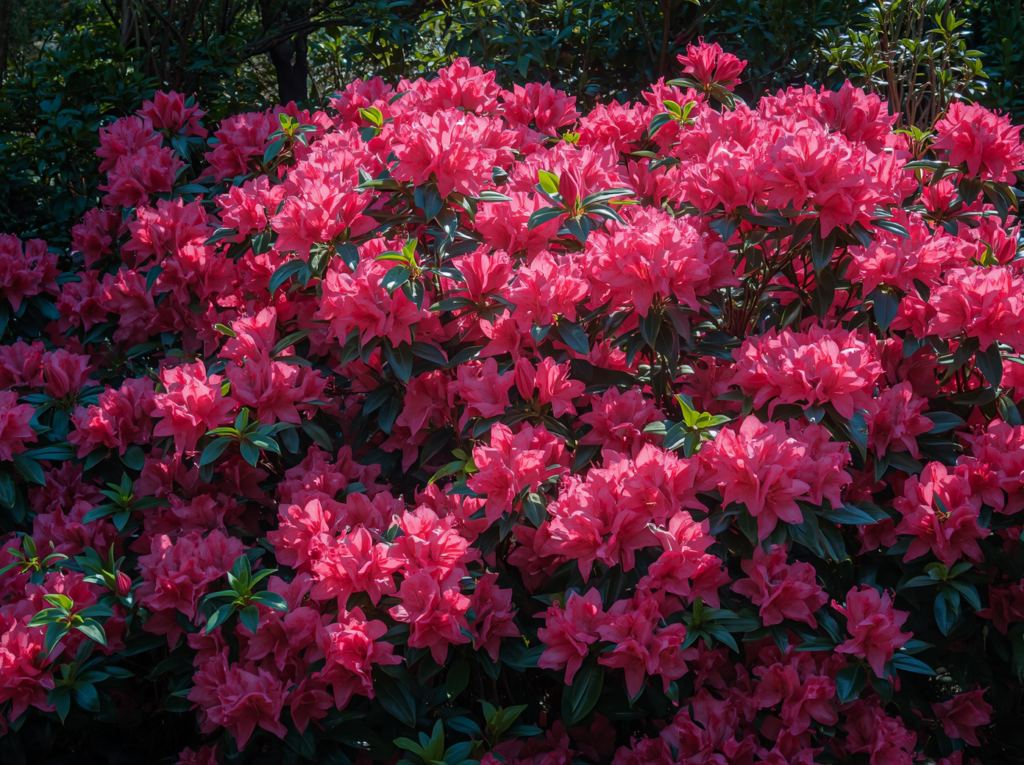
Rhododendrons and azaleas are the showpieces of the shaded garden — mounding evergreen shrubs that produce breathtaking displays of flowers in spring. They require acidic, humus-rich, moist-but-well-drained soil and dappled light (they dislike harsh afternoon sun). In the right conditions, they’re very long-lived and grow larger and more floriferous with each passing year.
12. Hydrangea — Shade-Tolerant Statement Shrub
Several hydrangea species perform well in partial shade, including the classic bigleaf hydrangea (H. macrophylla) and the climbing hydrangea (H. petiolaris). The climbing hydrangea is particularly valuable for shaded walls and fences, eventually producing beautiful white lacecap flowers and attractive peeling bark.
13. Pieris japonica — Year-Round Evergreen Interest
Pieris is an elegant evergreen shrub producing cascades of lily-of-the-valley-like white flowers in early spring, followed by new growth in brilliant red or pink. It thrives in acidic, moist soil in partial shade and provides exceptional year-round structure in the woodland garden.
14. Mahonia — Winter Flowers and Wildlife Value
Mahonias are architectural evergreen shrubs with holly-like leaves that produce fragrant yellow flowers in winter or early spring — providing vital early nectar for bees. They tolerate deep shade better than almost any flowering shrub. Blue-black berries follow the flowers, attracting birds throughout autumn.
Ferns for Texture
15. Japanese Painted Fern (Athyrium niponicum) — Artistic Silver Markings
The Japanese painted fern is one of the most decorative shade plants available, with fronds marked in silver, green, and burgundy that seem hand-painted. It thrives in moist, humus-rich soil in partial to full shade and combines beautifully with hostas and heucheras.
16. Ostrich Fern (Matteuccia struthiopteris) — Dramatic Vase Shape
The ostrich fern creates magnificent 3–5 foot tall vases of bright green fronds in moist shaded conditions, spreading via underground rhizomes to form a lush colony. It’s one of the most dramatic textural plants available for moist shaded borders near water features.
17. Hart’s Tongue Fern (Asplenium scolopendrium) — Unique Strap-Shaped Fronds
Unlike typical ferns, the hart’s tongue produces glossy, undivided strap-shaped fronds in deep, rich green — providing a striking contrast to fine-textured plants. It tolerates both dry and moist shade and is one of the best ferns for alkaline soils.
Ground Covers
18. Sweet Woodruff — Fragrant White Flowers
Sweet woodruff (Galium odoratum) is a delightful low-growing ground cover producing a carpet of whorled leaves and tiny white flowers in spring. The foliage smells of hay and vanilla when crushed. It spreads steadily in moist shade, creating a beautiful woodland-floor effect.
19. Lily of the Valley — Intoxicating Fragrance
Lily of the valley is beloved for its intensely fragrant, bell-shaped white flowers in May. Once established, it spreads enthusiastically to create a dense ground cover under trees and shrubs. Note: all parts are toxic if ingested.
20. Vinca Minor — Evergreen Trailing Cover
Vinca (periwinkle) provides excellent evergreen ground cover in dense shade, tolerating dry conditions under trees that challenge most other plants. Blue-purple flowers in spring add seasonal interest. It spreads vigorously — use only where you want it to spread.
Tips for Success in Shaded Gardens
Improve the Soil
Shade gardens often compete with tree roots for water and nutrients. Generously amend with compost or leaf mold to improve soil structure, moisture retention, and fertility. Top-dress annually in autumn.
Water Regularly
Counter-intuitively, shade gardens under trees can be drier than sunny beds, as tree roots absorb soil moisture aggressively. Water deeply and regularly, especially in the first 1–2 years of establishment.
Embrace Foliage
The best shade gardens are designed around foliage texture, color, and contrast — not flowers. Mix bold hosta leaves with fine fern fronds; pair golden Japanese forest grass with deep burgundy heuchera. Flowers are a bonus; foliage is the design foundation.