
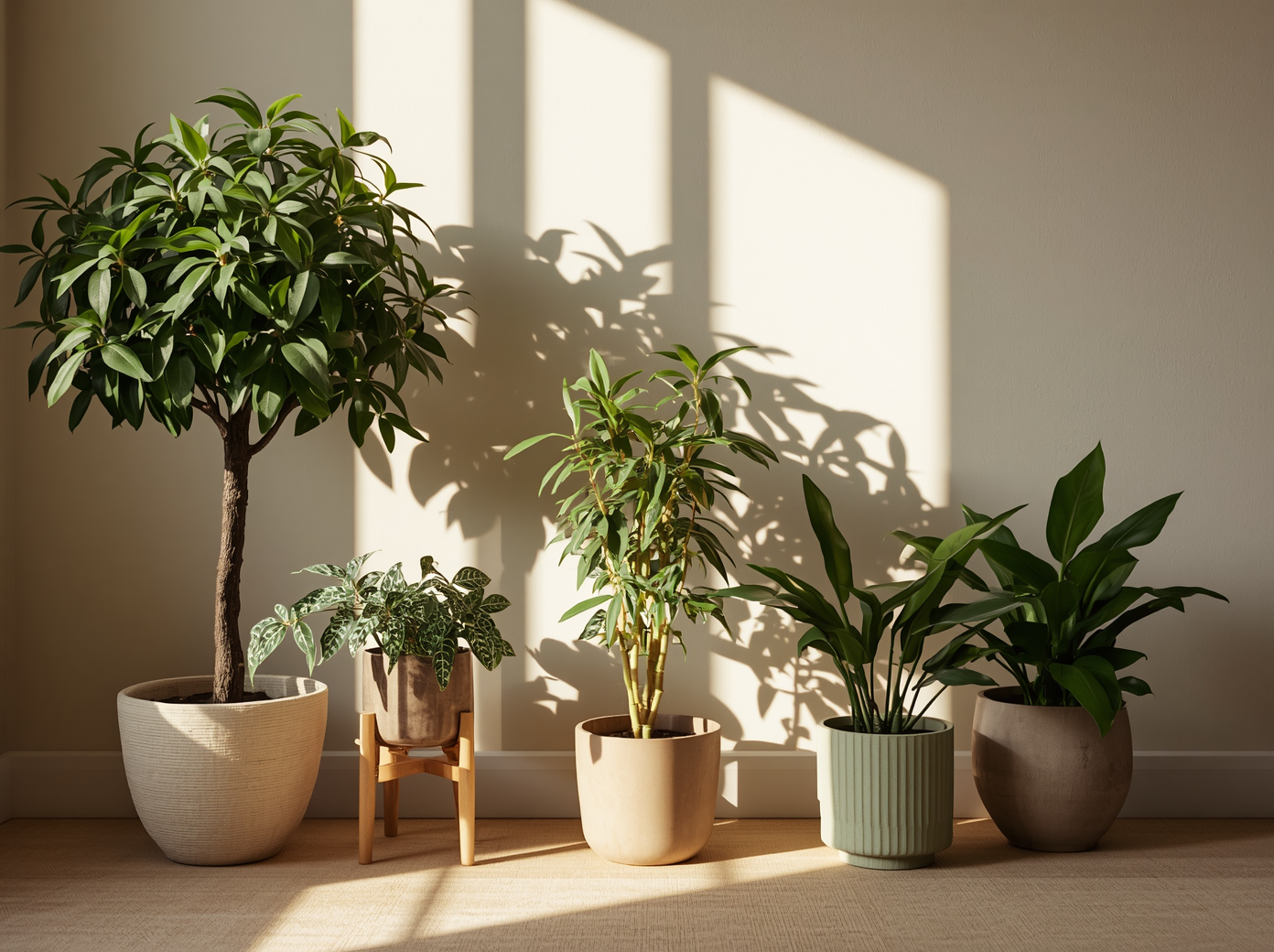
In feng shui, the ancient Chinese practice of harmonizing energy in living spaces, plants hold a privileged position. Living plants are considered powerful activators of chi (life energy), capable of purifying stagnant energy, attracting abundance and health, and creating flow through rooms that feel blocked or heavy.
Whether you approach feng shui from a spiritual perspective or simply appreciate the aesthetic and psychological benefits of living plants in thoughtfully arranged spaces, the principles offer practical guidance for creating homes that feel more vital, balanced, and welcoming.
Feng Shui Fundamentals: How Plants Work with Energy
In feng shui philosophy, healthy, vibrant plants represent wood energy: growth, vitality, expansion, and new beginnings. They are particularly powerful in activating the wealth and prosperity areas of a home, supporting health, and enhancing the creative and family areas of the Bagua map.
Key principles for plant placement in feng shui: round, soft, flowing leaf shapes are considered more auspicious than sharp, pointed ones; healthy, thriving plants bring positive energy while dying or neglected plants bring negative energy; and placement in specific areas of the Bagua map amplifies specific aspects of life.
The most important rule in feng shui plant care: a dying plant is worse than no plant at all. Remove dead leaves and flowers immediately, water and feed consistently, and replace any plant that cannot be kept healthy in its intended location.
The 12 Best Feng Shui Plants
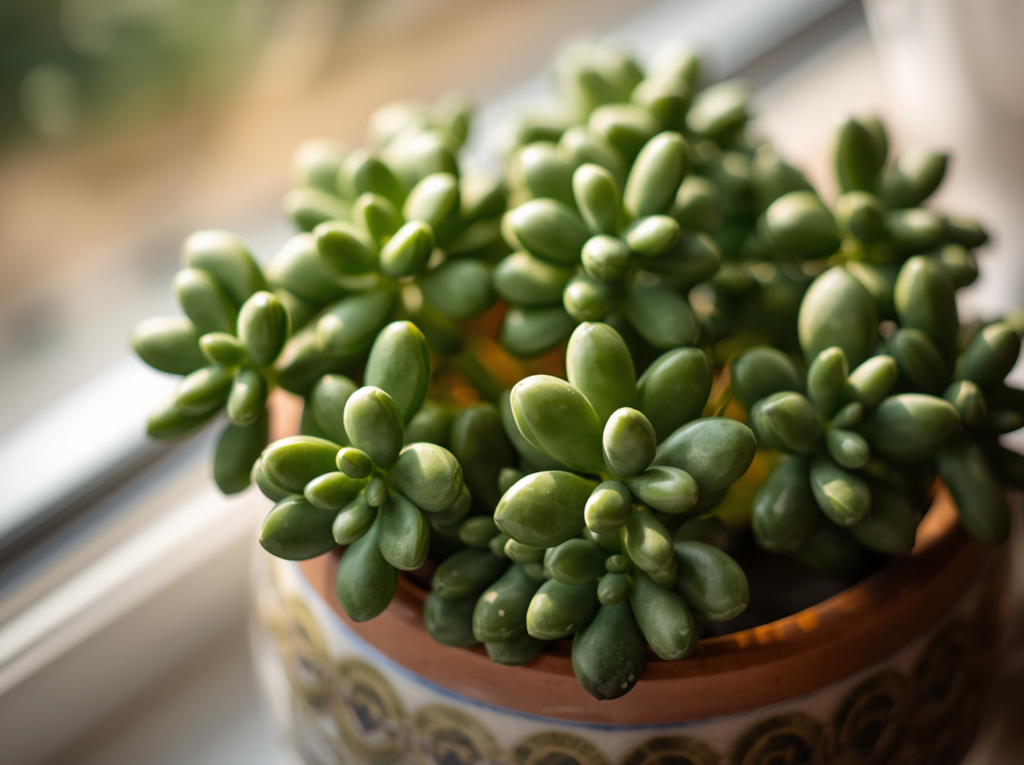
1. Jade Plant (Crassula ovata) — The Money Tree
The jade plant is perhaps the most universally recognized feng shui prosperity plant, known as the money tree or friendship tree in many Asian cultures. Its small, round, fleshy leaves resemble jade coins, symbolizing wealth and growth. It is placed in the southeast wealth corner of the home or near the entrance to attract prosperity.
- Best placement: southeast area of home or room (wealth and abundance), or near the front entrance
- Care: bright indirect light; water every two to three weeks; very drought-tolerant
- Avoid: north-facing dark corners; the plant needs light to thrive energetically
2. Lucky Bamboo (Dracaena sanderiana)
Despite its name, lucky bamboo is not actually bamboo but a type of Dracaena. It is one of the most popular feng shui plants worldwide, associated with good luck, prosperity, and longevity. The number of stalks carries specific meaning: two stalks for love and marriage; three for happiness, wealth, and longevity; five for wealth; eight for prosperity (eight is an especially auspicious number in Chinese culture); nine for great luck.
- Best placement: east area (health and family) or southeast (wealth)
- Care: grows in water or moist soil; indirect light; change water weekly
3. Money Tree (Pachira aquatica)
The money tree, with its distinctive braided trunk and palmate leaves, is strongly associated with financial luck and prosperity in feng shui. The story of its origin involves a poor farmer who prayed for prosperity and found this small plant, which brought him wealth when he began selling its seedlings. It is a standard feature in businesses, banks, and prosperity-conscious homes throughout Asia.
- Best placement: southeast wealth corner of the home or office
- Care: bright indirect light; water when top two inches dry; non-toxic to pets
4. Peace Lily (Spathiphyllum)
Peace lilies are considered powerful purifiers of negative energy in feng shui, converting stagnant, heavy energy into flowing positive chi. Their white flowers represent surrender, peace, and spiritual growth. They are particularly valuable in bedrooms and areas where calm, restful energy is desired.
- Best placement: bedroom (promotes restful sleep and calm), bathroom (transforms negative energy)
- Care: low light tolerant; keep moist; toxic to pets
5. Pothos (Epipremnum aureum)
In feng shui, the long, flowing vines of pothos are associated with generosity and flowing abundance. Their rapid, trailing growth symbolizes the continuous flow of good fortune. Placed high on a shelf or in a hanging position, pothos cascades downward like a waterfall, an auspicious symbol in feng shui representing the flowing of wealth.
- Best placement: living room shelving or hanging positions; southeast or east areas
- Care: tolerates low light; water when soil is dry; one of the easiest plants to grow
6. Snake Plant (Sansevieria)
Snake plants, with their upright, sword-like leaves, are considered protective feng shui plants. They absorb negative energy and are traditionally placed near entrances to shield the home from inauspicious energy entering from outside. Their strong, upright energy is beneficial in home offices to support career focus and momentum.
- Best placement: near the front door (protection), home office (career energy), or northern wall
- Care: extremely tolerant of low light and neglect; water monthly
7. Orchid (Phalaenopsis)
Orchids are associated in feng shui with fertility, love, and the enhancement of relationships. Their elegant, symmetrical flowers are considered deeply auspicious and are placed in the southwest area of the home (relationships and love) or in the bedroom to nurture romantic partnerships.
- Best placement: southwest area of home or bedroom
- Care: bright indirect light; soak and drain weekly; non-toxic to pets
8. Chrysanthemum
Chrysanthemums are among the most auspicious flowers in Chinese culture, symbolizing longevity, happiness, and good luck. They are particularly associated with the autumn harvest season and are displayed in homes and businesses to attract good fortune. Golden and yellow chrysanthemums are considered especially powerful activators of the wealth area.
- Best placement: living areas, particularly southeast and southwest corners
- Care: bright light; keep moist during bloom; replace when flowering ends
9. Rubber Plant (Ficus elastica)
The rubber plant’s large, glossy, rounded leaves are associated with abundance and financial growth in feng shui. The round leaf shape is considered particularly auspicious as circles represent wholeness, continuity, and prosperity. Place in the wealth corner to activate financial luck.
- Best placement: southeast area (wealth), living room, or entryway
- Care: bright indirect light; water when top inch dries; wipe leaves monthly
10. Chinese Evergreen (Aglaonema)
Chinese evergreens are considered extremely lucky plants in Asian cultures, believed to bring good fortune to any environment in which they are placed. Their striking patterned foliage comes in red and pink varieties (for luck and prosperity) and green varieties (for health and longevity). They are particularly valued because they thrive in low light, making them practical for office and interior environments.
- Best placement: any interior area; red and pink varieties in southeast or south areas
- Care: low to medium light; very forgiving with watering
11. Bamboo Palm (Chamaedorea seifrizii)
Palms in general represent victory, success, peace, and longevity in many Asian traditions. The bamboo palm specifically brings protective wood energy while improving air quality. Its graceful fronds create gentle movement in air currents, which is considered auspicious in feng shui as it represents the movement of chi through the space.
- Best placement: east area (family and health), living rooms, offices
- Care: medium indirect light; water when top inch dries
12. Aloe Vera
Aloe vera is associated in feng shui with luck, good fortune, and protection from negative energy and bad luck. Its healing properties extend metaphysically to healing the energy of the space it occupies. It is considered particularly protective when placed in the home office or near work spaces.
- Best placement: kitchen (protection from accidents), near work areas
- Care: bright indirect to direct light; water every two to three weeks; very drought-tolerant
Plants to Avoid According to Feng Shui
Certain plant characteristics are considered less auspicious in feng shui:
- Thorny plants (roses, cacti) in living areas and bedrooms: sharp spines are thought to create hostile energy; place these outdoors or in specific areas only
- Dried flowers and dead plants: represent stagnant or declining energy; always remove and replace
- Artificial plants: carry no living chi and are generally considered neutral at best
- Plants with drooping or downward-pointing leaves: may represent declining energy; ensure all plants are healthy and growing vigorously
The Bagua Map: Where to Place Plants for Specific Goals
- Southeast (Wealth and Abundance): jade plant, money tree, pothos, rubber plant
- East (Family and Health): lucky bamboo, bamboo palm, Chinese evergreen
- Southwest (Relationships and Love): orchids, chrysanthemums, peace lily
- North (Career and Life Path): snake plant, lucky bamboo with six or eight stalks
- South (Fame and Reputation): bold, vibrant plants with red or orange tones