
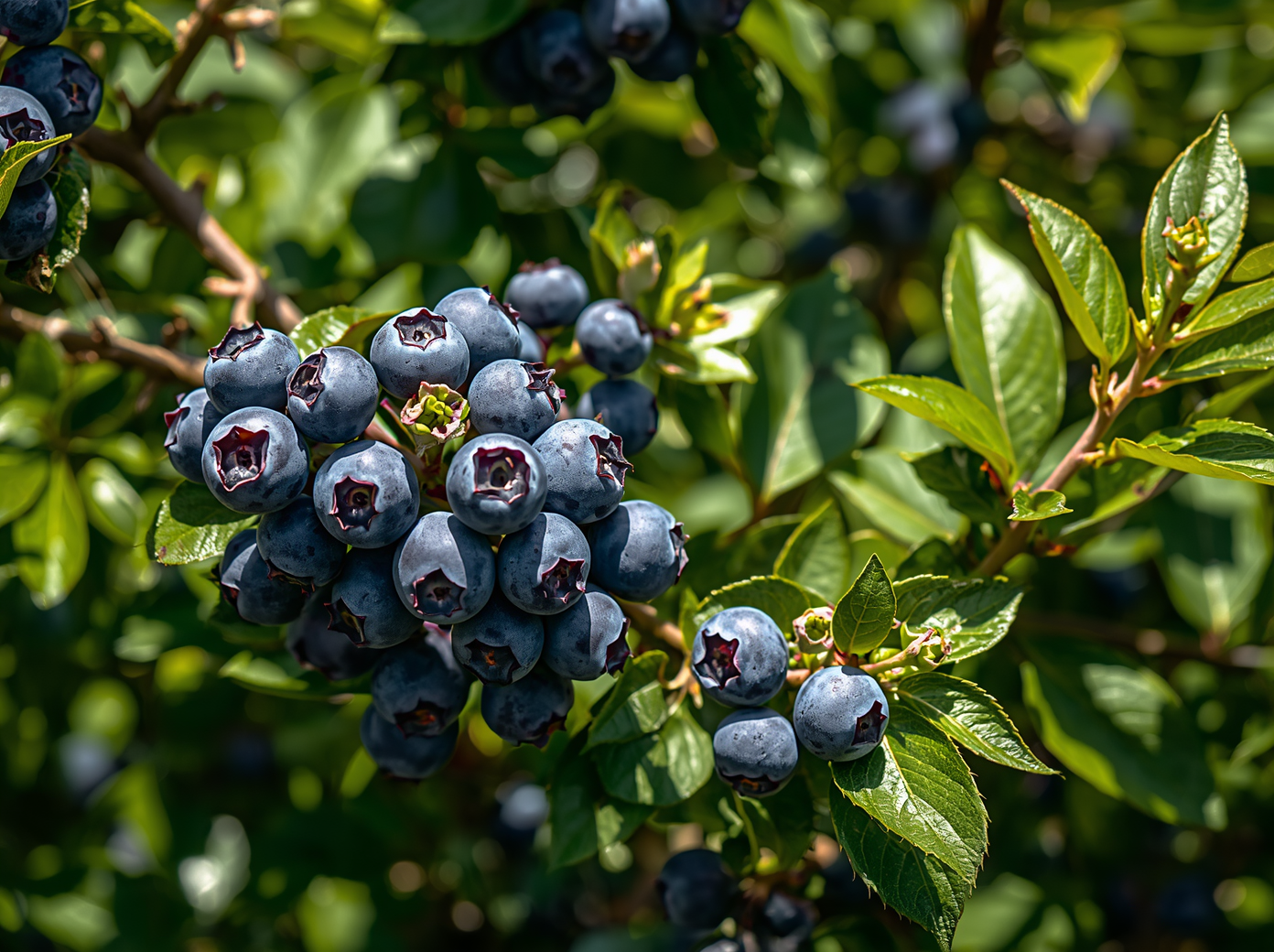
Homegrown blueberries are a revelation. Supermarket blueberries are picked firm and underripe to survive storage and transit. Blueberries harvested fully ripe from your own plants are sweet, complex, and aromatic in a way commercial berries never are. They are also among the most antioxidant-rich foods available.
Blueberries are not the easiest fruit to grow, but they are not the hardest either. The key requirements are acid soil and patience. Get the soil right, choose the right varieties, and blueberries reward you with increasing harvests for twenty or more years.
The Most Important Requirement: Acid Soil
Blueberries are ericaceous plants, meaning they require acidic soil with a pH between 4.5 and 5.5. This is significantly more acidic than most garden soils and is lower in pH than nearly any other commonly grown fruit. In alkaline or neutral soil, blueberries cannot absorb iron and other micronutrients, causing the yellowing condition known as chlorosis, and will eventually die.
Testing Soil pH:
Test your soil pH before planting. Simple pH testing kits are available at any garden center or hardware store. If your soil pH is above 5.5, you have two options: acidify the soil, or grow in containers with ericaceous compost.
Acidifying Garden Soil:
- Sulfur chips or sulfur powder: dig in six to twelve months before planting; lowers pH slowly and sustainably
- Ericaceous compost: dig in generous quantities to lower pH and provide appropriate organic matter
- Avoid fresh or mushroom compost: these are usually alkaline and will raise pH
- Pine needle mulch: apply thickly around plants; acidifies as it breaks down
Container Growing (Easier pH Management):
Growing blueberries in large containers (minimum fifteen to twenty gallon for mature plants) filled with ericaceous compost is the most reliable approach for gardeners with alkaline garden soil. It allows complete control of the growing medium.
Choosing Blueberry Varieties
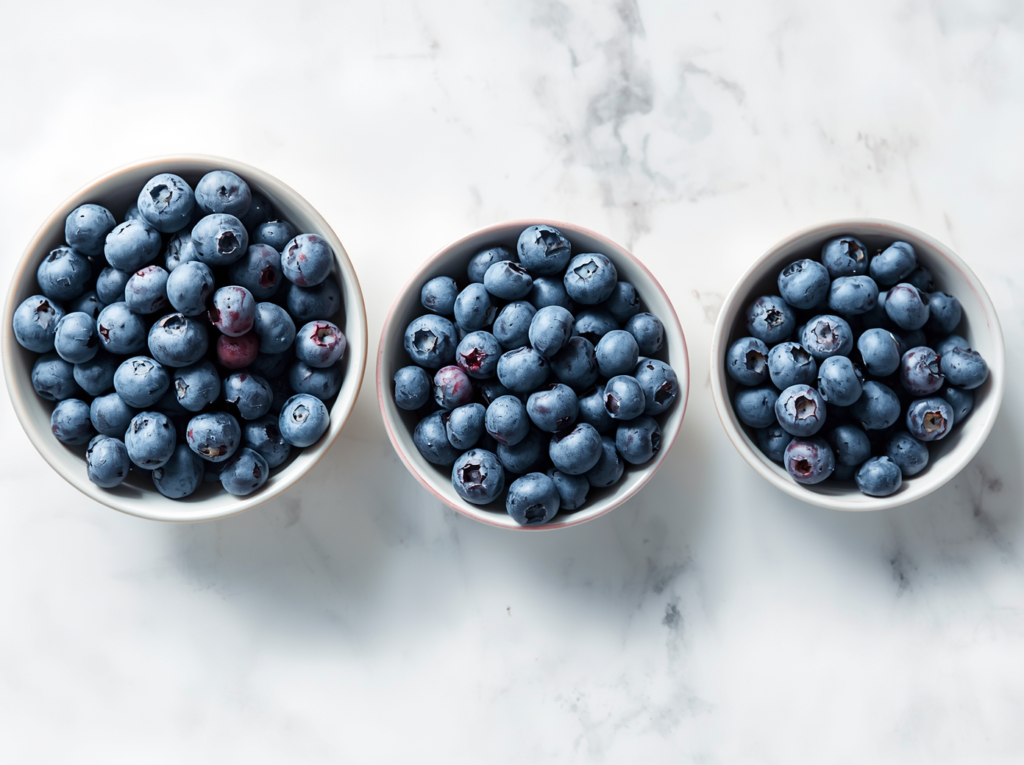
Highbush Blueberries (Vaccinium corymbosum) — Most Common
Highbush blueberries are the most widely grown type, producing the large berries typically found in shops. They grow to four to six feet tall and require cold winters to flower and fruit (they need around 500 to 1,000 chilling hours below 45 degrees Fahrenheit). Best in USDA Zones 4 to 7. Key varieties include Bluecrop (reliable, mid-season), Earliblue (early season, excellent flavor), Duke (heavy cropper, upright), and Jersey (late season, very flavorful).
Southern Highbush — For Milder Climates
Southern highbush varieties have been bred for low-chill requirements (fewer than 500 hours), making them suitable for mild-winter climates like coastal areas, the southern US, and Mediterranean climates. Key varieties include O’Neal, Sharpblue, and Sunshine Blue.
Half-High Hybrids — Best for Cold Climates
Half-high hybrids (cross between highbush and lowbush) are the most cold-hardy blueberries, surviving temperatures to -35 degrees Fahrenheit (-37 degrees Celsius). Compact growth (two to four feet) makes them ideal for containers and small gardens. Top Pick, Northblue, and Patriot are excellent varieties.
Planting Blueberries
Cross-Pollination: The Key to Large Harvests
Blueberries are technically self-fertile but produce dramatically larger harvests when two or more different varieties are planted together for cross-pollination. Plant at least two different varieties with overlapping bloom times. The harvest improvement is not marginal: cross-pollinated plants consistently produce two to three times more fruit.
Planting Process:
- Plant in early spring or autumn
- Dig a wide, shallow hole (blueberries have shallow, fibrous root systems)
- Incorporate generous amounts of ericaceous compost into the planting hole
- Plant at the same depth as the nursery container
- Mulch thickly with pine bark, pine needles, or wood chip at three to four inches depth
- Water in with rainwater or acidified water; avoid hard tap water which raises pH over time
Watering:
Water blueberries with rainwater whenever possible. Tap water in hard-water areas is often alkaline and will gradually raise soil pH, causing chlorosis. Collect rainwater or acidify tap water by adding one teaspoon of white vinegar per gallon before use.
Feeding Blueberries
Use only ericaceous (acid) fertilizers specifically formulated for blueberries, rhododendrons, and azaleas. Standard fertilizers often contain too much phosphorus and alkaline compounds that harm acid-loving plants.
- Early spring: apply ericaceous granular fertilizer at the manufacturer’s recommended rate
- Late spring: liquid ericaceous feed after flowering to support fruit development
- Summer: continue monthly liquid ericaceous feed until mid-August
- Avoid: general-purpose fertilizers, mushroom compost, and alkaline soil amendments
Pruning Blueberries
Blueberries produce fruit on wood that is two to three years old. The pruning strategy aims to maintain a continuous supply of new, productive wood while removing old, declining wood.
In the first three years: Do Not Prune
Allow the plant to establish fully. Remove any flower buds that form in the first two years to direct energy into root development rather than fruit production. The investment of patience in the first two years results in dramatically better long-term harvests.
From Year Four Onwards:
- Winter or early spring: remove two to three of the oldest, darkest, thickest canes at ground level
- Remove any crossing, damaged, or weakly growing stems
- Shorten any remaining older stems by one third to stimulate new productive lateral growth
- Aim to have canes of various ages from one to six years, with no individual cane older than six years
Harvesting Blueberries
The key to the best blueberry flavor: patience at harvest. A blueberry that has just turned blue is not yet fully ripe. Leave berries on the plant for seven to ten days after they turn blue, until they are slightly soft to the touch and come free with the gentlest touch. Fully ripe blueberries have a complex, sweet-tart flavor with a bloom on the skin. Under-ripe blue berries are firm, sharp, and astringent.
Harvest in the morning when the fruit is cool. Store in the refrigerator and consume within five to seven days, or freeze for year-round use.