
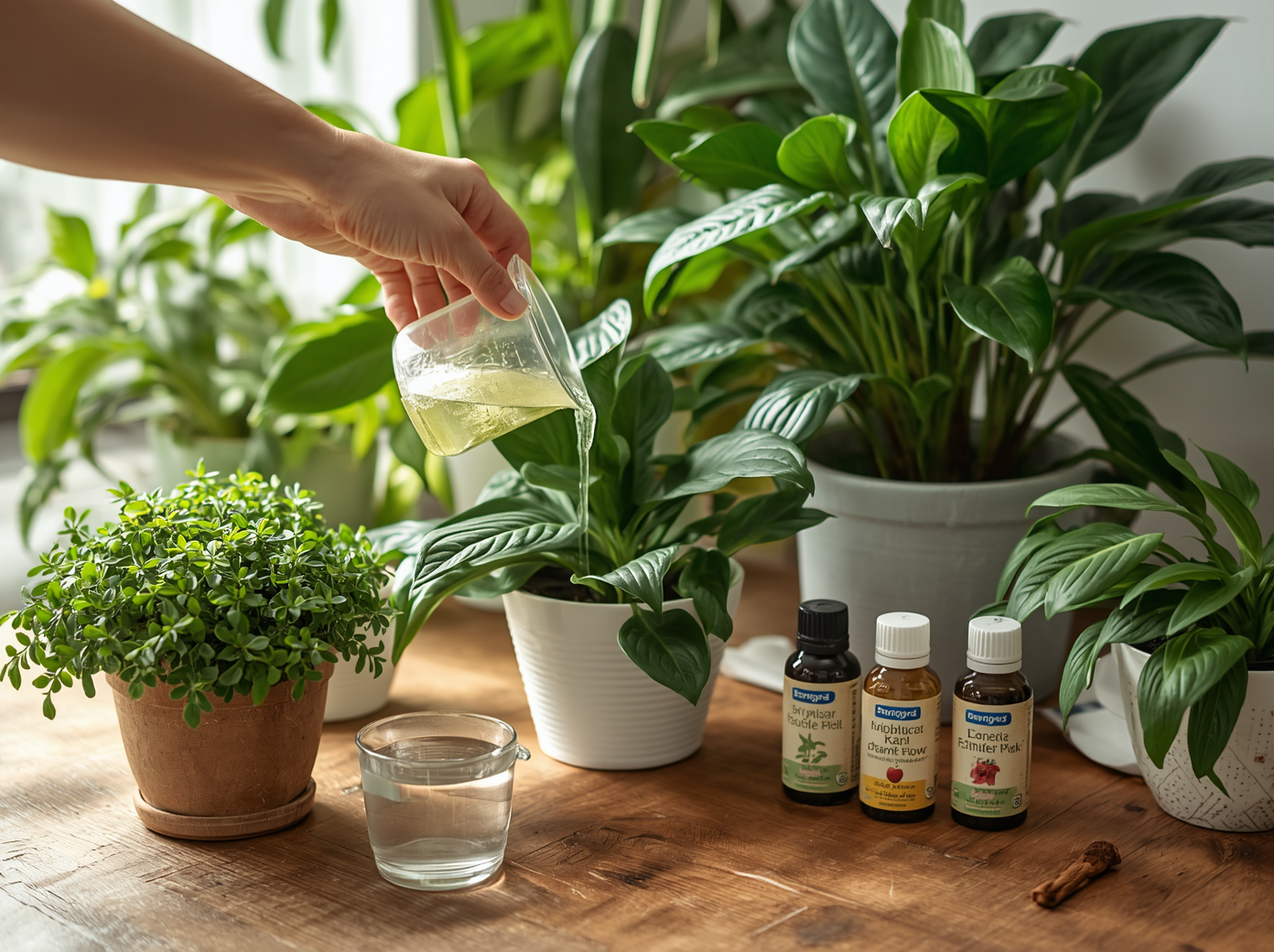
Plants need more than water and light to thrive. Like all living organisms, they require a range of mineral nutrients to build cells, drive biochemical processes, and fuel growth. In nature, these nutrients come from decomposing organic matter, weathering rock, and the complex interactions of the soil ecosystem. In pots, the nutrient supply is finite and rapidly depleted.
Understanding fertilization transforms you from a plant maintainer to a plant grower. Fed correctly, houseplants grow faster, produce more vibrant foliage and more abundant flowers, and are significantly more resistant to pests and disease.
The Three Primary Macronutrients: N-P-K
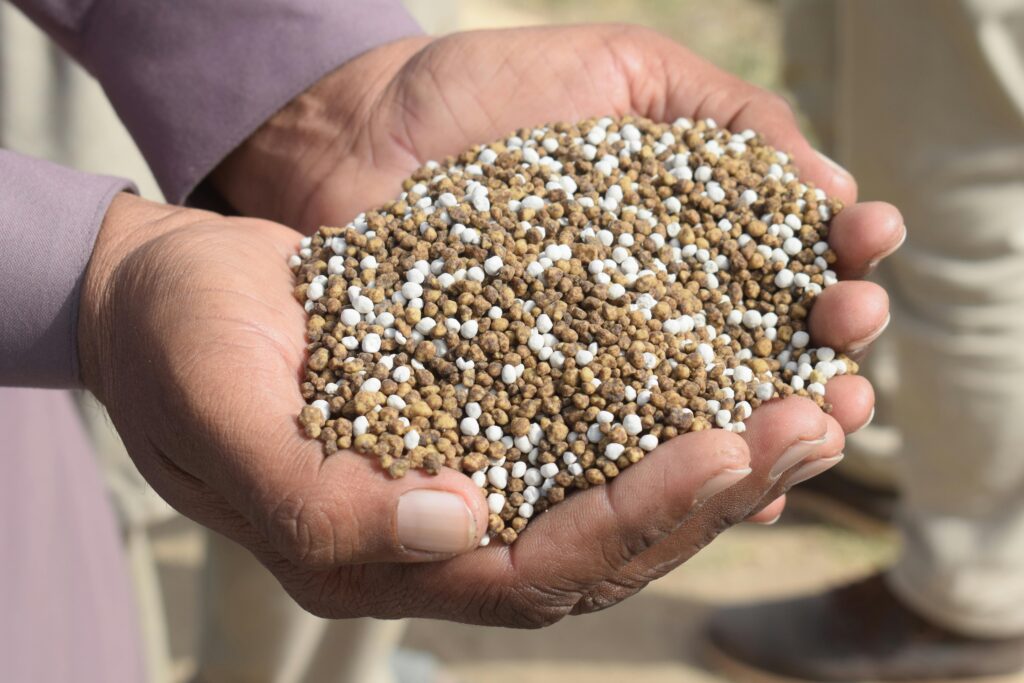
Nitrogen (N): The Growth Engine
Nitrogen is the primary driver of vegetative growth. It is essential for the production of chlorophyll (responsible for the green color and photosynthesis) and amino acids (the building blocks of proteins). Plants deficient in nitrogen show yellowing leaves, particularly older leaves, and stunted growth.
Phosphorus (P): Roots, Flowers, and Fruit
Phosphorus supports root development, flower and fruit production, and energy transfer within the plant. A phosphorus-deficient plant often shows purplish discoloration on leaf undersides, delayed flowering, and poor root development. High-phosphorus fertilizers, such as those labeled as bloom boosters, are used when you want to promote flowering.
Potassium (K): Overall Vitality
Potassium regulates water use efficiency, strengthens cell walls, improves disease resistance, and is critical for fruit quality and flavor. Deficiency shows as brown leaf edges (marginal scorch), weak stems, and increased susceptibility to disease.
Reading Fertilizer Labels: The NPK Ratio
Every fertilizer package displays three numbers separated by dashes, such as 20-20-20, 10-10-10, or 5-10-10. These numbers represent the percentage of nitrogen, phosphorus, and potassium respectively by weight. A 10-10-10 fertilizer contains ten percent each of all three elements, while a 5-10-15 fertilizer is low in nitrogen, moderate in phosphorus, and high in potassium.
Common NPK Ratios and Their Uses:
- Balanced (20-20-20, 10-10-10): general-purpose; good for most foliage plants; use throughout the growing season
- High nitrogen (30-10-10, 12-4-8): promotes leafy growth; good for foliage plants and in early spring
- High phosphorus (5-30-5): bloom booster; promotes flowering; use when plants are budding
- High potassium (tomato feed, 4-4-8): promotes fruiting and flowering; used for flowering plants through bloom
Secondary Nutrients and Micronutrients
Beyond the primary macronutrients, plants need secondary macronutrients including calcium, magnesium, and sulfur, as well as trace micronutrients including iron, manganese, zinc, copper, boron, and molybdenum. While needed in smaller quantities, deficiencies in these elements cause specific symptoms.
Common Micronutrient Deficiencies:
- Iron deficiency: yellowing between the veins of young leaves while veins stay green, a condition called interveinal chlorosis; common in acid-loving plants grown in alkaline soil or watered with alkaline tap water
- Magnesium deficiency: yellowing between veins of older leaves; treat with Epsom salt solution (one teaspoon per liter of water) as a foliar spray
- Calcium deficiency: distorted or dead new growth at growing tips; blossom end rot in tomatoes; improve watering consistency
Types of Fertilizers
Liquid Fertilizers
Water-soluble liquids or concentrates are diluted and applied with each watering or every other watering. They deliver nutrients immediately and allow for precise dose adjustment. They are the most controllable fertilizer type and the best choice for most houseplants. Apply at half the recommended rate to reduce risk of over-fertilization.
Slow-Release Granules
Granules coated to release nutrients gradually over several months are mixed into potting soil at planting or top-dressed onto established plants. Osmocote and similar products are widely used and release nutrients for four to six months depending on temperature. Convenient but less precise than liquid fertilizers.
Fertilizer Spikes
Compressed fertilizer pushed into the soil. Convenient but provide uneven nutrient distribution as they create concentrated hotspots near the spike. Less ideal than liquid fertilizers but useful for occasional feeding.
Organic Fertilizers
Worm castings, fish emulsion, kelp meal, compost, and other organic fertilizers release nutrients slowly as microorganisms break them down. They also feed the soil ecosystem and improve soil structure over time. They are excellent for long-term soil health but slower-acting than synthetic options.
When to Fertilize: The Seasonal Calendar
Spring (March to May): Begin Feeding
As days lengthen and temperatures rise, houseplants exit their winter slowdown and enter active growth. Begin fertilizing in early spring with a balanced liquid fertilizer at half strength, increasing to full strength as growth accelerates.
Summer (June to August): Peak Feeding Season
Apply balanced or growth-formula liquid fertilizer every two weeks for foliage plants, or switch to high-potassium feed for flowering plants in bloom. This is when plants use the most nutrients.
Autumn (September to November): Wind Down
Reduce feeding frequency as growth slows. Switch to a balanced formulation; discontinue high-nitrogen feeding that would encourage soft growth vulnerable to cold.
Winter (December to February): Stop Feeding
Most houseplants are growing very slowly or dormant in winter and cannot absorb nutrients effectively. Fertilizing dormant plants causes salt buildup in the soil that damages roots. Stop feeding entirely from November through February, or until you see active new growth resuming.
Signs of Over-Fertilization
- White crust on soil surface or pot rim: salt buildup from excess fertilizer accumulation
- Brown leaf tips and edges: fertilizer salt burn, particularly on the most exposed leaf tissue
- Wilting despite moist soil: salt buildup inhibits water absorption through osmotic interference
- Very rapid, unusually soft, leggy growth: excess nitrogen
- Failure to flower in flowering plants: excess nitrogen diverts energy to vegetative growth
Treating Over-Fertilization:
Flush the soil thoroughly by running water through the pot for several minutes to leach out excess salts. Stop fertilizing for two to four weeks. In severe cases, repot into fresh growing medium.
Signs of Under-Fertilization
- Yellowing lower leaves: usually nitrogen deficiency
- Overall pale, washed-out appearance: general nutrient deficiency
- Very slow growth even during the growing season
- Small leaves compared to the plant’s normal size
- Failure to flower or very sparse flowering
- Purple or red discoloration on leaf undersides: often phosphorus deficiency
Fertilizing by Plant Type: Quick Reference
- Foliage plants (pothos, philodendron, ferns): balanced NPK, monthly in growing season
- Flowering plants (orchids, African violets, peace lily): balanced while growing, switch to high-potassium bloom booster when budding
- Succulents and cacti: half-strength balanced fertilizer monthly in spring and summer only; never in winter
- Citrus and fruiting plants: specific citrus fertilizer; high potassium during fruiting
- Acid-loving plants (gardenias, azaleas, blueberries): ericaceous fertilizer only; avoid lime or alkaline products